


Improved
6139 HealthChanged
3797 LivesSaved
3584 Lives0 lives impacted in the last 24 hrs Learn More
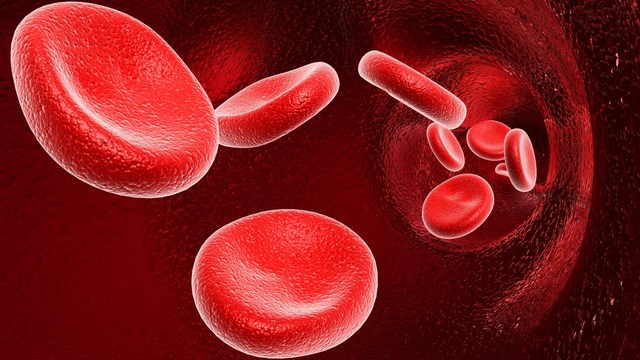
What happens when the survival and fatality rates for a disease are reversed? That’s what’s happened with Chronic Myelogenous Leukemia (CML), a rare slow-growing bone marrow and blood cancer. The ground-breaking development of targeted drug therapies means CML has evolved from a nearly always terminal cancer to a treatable, chronic illness for most patients.
Understanding how remarkable this change is requires understanding what newly diagnosed patients faced prior to 2001. For patients older than 40 the main therapy was interferon, which prolonged life for about a year in a small percentage of patients. Younger patients were treated with bone marrow transplants. While it stopped the disease for some, the process also had a death rate in the first year of 25 to 50 percent of those diagnosed.
The primary person behind this change is Dr. Brian Druker , an oncologist at Oregon Health and Science University, and a winner of the Lasker-DeBakey Clinical Medical Research Award, often called the “American Nobel Prize.” He discussed the breakthrough in a New York Times interview.
“When I started my training in the 1980s, you rarely cured people. You felt, 'if I can give my patient extra time, I’ve been successful.' But I could see there was a transformation of cancer treatment on the horizon thanks to breakthroughs in biochemistry and genomics. I wanted to be part of that, which is why I was a physician-researcher.”
Druker added, “So I started my laboratory career studying the regulation of cell growth — what turns the switch on, what helps it shut down. And that’s how [targeted therapy] is different from earlier chemotherapies, which basically poisoned every cell in the body in an attempt to kill the cancer. [Targeted therapy] turned off the light switch and only killed the cancer cells.”
While this new cancer treatment has been designated by some, including Newsweek magazine, as “the closest thing we have to a cure for cancer,” the fact of life for patients is that this is still cancer and is not cured. Expensive, highly specialized medical care, regular measurement of treatment response and considerable lifestyle changes come along with the disease, and patients are vulnerable to advanced and fatal forms of the disease through genetic mutations and other factors.
Newly diagnosed patients, still absorbing the shock of learning they have cancer, often find medical professionals reassuring them and describing a disease that is “treated with a pill.” This can lead to problems, as described by Greg Stephens, executive director of The National CML Society. “This is NOT the diabetes of Cancer! One of the biggest dangers we see in our community, and the healthcare community for that matter, has been complacency.”
Stephens went on, “The advent of (targeted drug therapies) has taken a disease that once had a very short lifespan, and made it one that is highly treatable in most cases. Again, most cases. The danger comes when nonchalance finds its way into how we, as CML families, view the disease, and even more so when the community we rely on for care doesn't see this as something that serious. Every person's journey is unique and it has its own subtleties. As an organization, we want the public to know that CML, although highly treatable in today's world, is still a very serious matter and needs to be addressed accordingly.”
While only about 5, 000 new cases of CML are diagnosed each year in the U.S., because those patients are now expected to live nearly normal lifetimes, the number of people living with CML is climbing. There are about 25,000 people with CML in the US in 2011, but that number will grow to some 75,000 in the next ten years and continue to go up from there. Patient education needs have changed from learning how to plan for final days to learning how to live with the rigors of managing, monitoring and living with the disease, as well as treatment side effects, throughout their lives.
To meet the growing information and support needs of these patients, the National CML Society launched a comprehensive website and portal serving patients living in the United States and its territories on Jan. 22, 2011. The site serves as a central information hub where patients, caregivers and medical professionals can connect, share information and support each other.
Services include local support meetings, news feeds of the latest clinical developments, resource directories and more. What makes the site truly unique is the “Ask the CML Experts” service which enables patients to submit questions which are answered by a hematology/oncology nurse specializing in CML in conjunction with a panel of physicians who specialize in this disease, many of whom are world renowned experts who contribute regularly to the top clinical studies, journals and conferences.
CML patients make up just one group of cancer patients whose survival rates are now higher than ever before. The National Cancer Institute projects that the number of cancer survivors in the United States alone will grow from 13.8 million over the next 10 years to 18.1 million by 2020, creating a strong need for new educational programs, support services and more for millions of people.
More information:
National CML Society:
http://www.nationalcmlsociety.org/
Add a CommentComments
There are no comments yet. Be the first one and get the conversation started!