


Improved
6139 HealthChanged
3797 LivesSaved
3584 Lives0 lives impacted in the last 24 hrs Learn More
A diagnosis of respiratory distress syndrome (or hyaline membrane disease or HMD) depends on the results of the following tests:
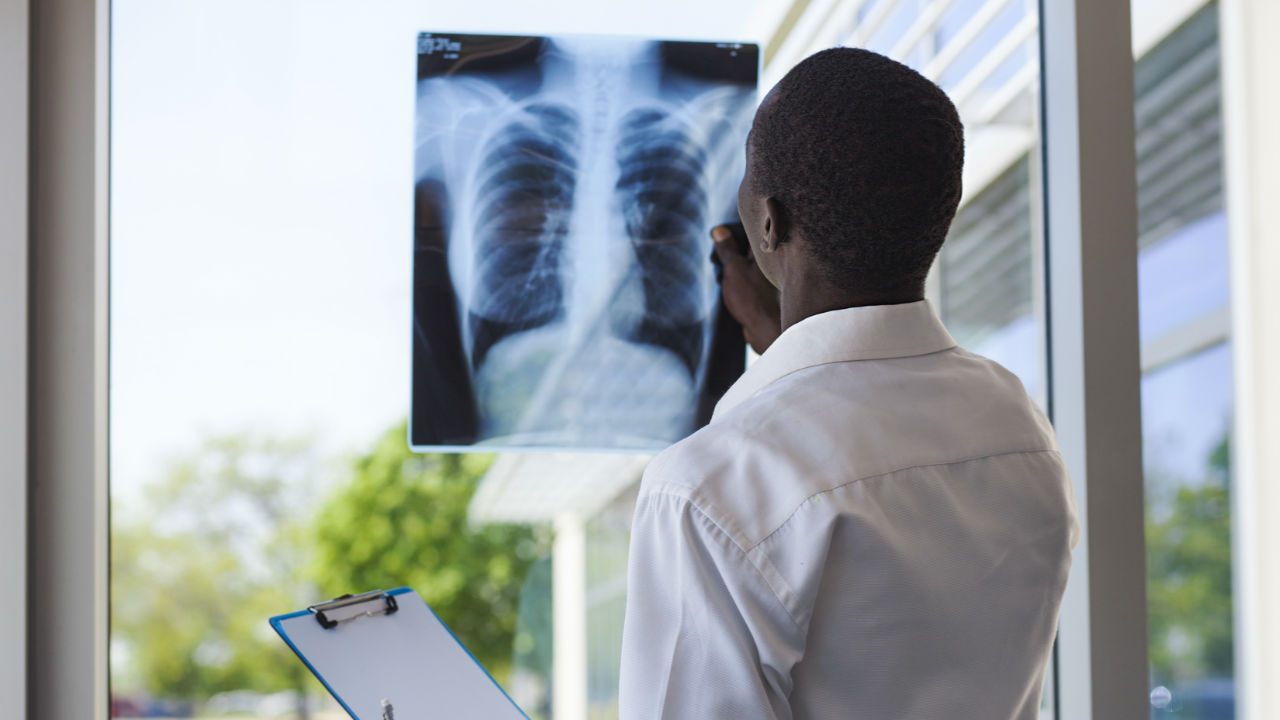
1. A chest x-ray is the first line of assessment. It exhibits the glass-like appearance of the membrane in a reticulo-granular pattern.
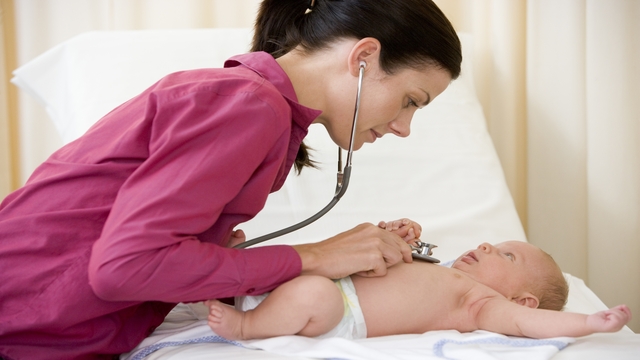
2. A physical examination of the baby to see the appearance, breathing and color of the baby.
3. EKG or an echocardiography recording the electrical signals of the heart shows abnormal betas and rhythms and helps in differential diagnosis.
Thankfully, treatment options are effective if the diagnosis is correct and on time (within three days of onset of RDS). I have outlined some avenues available to parents and doctors below. However, it must be kept in mind that doctors decide on the line of treatment depending on a number of factors specific to your case, such as weight, health, gestational age of the baby, baby’s tolerance to medications and treatments, mother’s medical history, other doctors and your (the parent’s) opinions.
1. Continuous Positive Air Pressure (CPAP) – The CPAP is a mechanical breathing device that does the breathing for the baby whereby oxygen is delivered under a small amount of pressure through tubes that go into the nostrils of the baby. It automatically pushes oxygen filled air continuously to the airways of the infant so that his/her bronchioles etc remain open and do not collapse or close.
2. Endotracheal tube is sometimes used in the case the situation becomes worse. An external mechanical device is inserted into the trachea or windpipe of the baby to give intermittent breaths.
3. Extracorporeal Membrane Oxygenation is a treatment option, providing oxygenation through an apparatus that imitates the gas exchange process of the lungs to babys who are closer to normal birth weights.
4. Surfactant replacement may be done once the infant is on the respirator. This process helps (administering the surfactants through the airway passage) alveoli open more easily. It is called replacement because it is either synthetically produced or a surfactant drawn from the lungs of other animals that is used to replace and temporarily bring relief. Surfactants could be used as prophylactics in high risk babies or as rescue medicines.
5. Nasal Cannulisation is sometimes done in mild cases, when a tiny and soft catheter is inserted into the baby’s nostril to deliver oxygen.
6. Fixing a tiny and soft Umbilical Catheter in the navel of the baby through which it can be connected to one to two blood vessels of the baby’s umbilical cord.
7. Medications to help relieve other apparent symptoms.
In addition to this intravenous fluids are given to restore blood salt and sugar levels, rehydrate the body and maintain blood pressure.
Complications:
Babies with HMD sometimes develop complications of the disease or problems as side effects of treatment. As with any disease, more severe cases often have greater risks for complications such as:
• air leaks of the lung tissues (pneumomediastinum), air leaks into the mediastinum (pneumothorax), air leaks into the space between the chest wall and the outer tissues of the lungs or even pneumopericardium - air leaks into the sac surrounding the heart.
• chronic lung disease, sometimes called bronchopulmonary dysplasia
Preventing a preterm birth is the primary means of preventing HMD. When a preterm birth cannot be prevented, giving the mother medications called corticosteroids before delivery has been shown to dramatically lower the risk and severity of HMD in the baby.
Mamta Singh is a published author of the books Migraines for the Informed Woman (Publisher: Rupa & Co.) and the upcoming Rev Up Your Life! (Publisher: Hay House India). She is also a seasoned business, creative and academic writer. She is a certified fitness instructor, personal trainer & sports nutritionist through IFA, Florida USA. Mamta is an NCFE-certified Holistic Health Therapist SAC Dip U.K. She is the lead writer and holds Expert Author status in many well-received health, fitness and nutrition sites. She runs her own popular blogs on migraines in women and holistic health. Mamta holds a double Master's Degree in Commerce and Business. She is a registered practitioner with the UN recognised Art of Living Foundation. Link: http://www.migrainingjenny.wordpress.com and http://www.footstrike.wordpress.com
Add a CommentComments
There are no comments yet. Be the first one and get the conversation started!