





Improved
6112 HealthChanged
3785 LivesSaved
3568 Lives0 lives impacted in the last 24 hrs Learn More
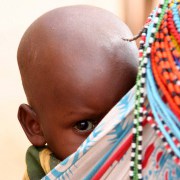 Photo: Getty Images
HIV transmission from mother to child during pregnancy, labor, delivery or breastfeeding is called perinatal transmission, which is currently the source of nearly all AIDS cases in children in the United States. HIV transmission through breastfeeding has been referred to as the “triple minority” by a World Bank economist.
The minority of the population is HIV positive. Of those who are positive, the minority infects their children with HIV via perinatal HIV transmission. And, of those whose children are infected via perinatal HIV transmission, the minority is infected via breastfeeding.
The decision about whether or not to breastfeed is a very personal one for new mothers. However, since the HIV virus is found in bodily fluid (such as breast milk) the CDC recommends that HIV infected women in the United States refrain from breastfeeding to avoid postnatal transmission of HIV-1 to their infants through breast milk.
This is the recommendation regardless of whether infected women are receiving antiretroviral therapy.
A policy statement issued by UNAIDS (the United Nations system's joint program on HIV/AIDS), whose sponsors include the World Health Organization and UNICEF, recommends weighing the rates of illness and death from infectious diseases and the availability of safe alternatives to breastfeeding against the risk of HIV transmission when recommending feeding practices.
La Leche League, an international non-profit organization that promotes knowledge and resources in support of breastfeeding, reiterates that the effects of reducing breastfeeding practices can be detrimental for child health, child survival, birth spacing and women’s health. La Leche League suggests that breastfeeding promotion is especially critical where HIV is prevalent in order to counter the possible erosion of breastfeeding practices among the vast majority of infants who are not at risk.
Accordingly, La Leche League suggests that an HIV infected mother should not breastfeed if:
(1) she is HIV positive
(2) breast milk substitutes are affordable and can be fed safely,
and
(3) adequate health care is available and affordable.
The reality is that in for many women, particularly in developing countries, alternatives to breastfeeding are often neither affordable nor safe.
In many countries, where the cost of locally available formula exceeds the average household's income, families cannot buy sufficient supplies of breast milk substitutes. In these cases, over-dilution, underfeeding or substitution with dangerous alternatives tends to occur.
Artificial feeding roughly triples the risk of infant death in such environments with poor hygiene and sanitation, where most infants' deaths are due to infectious diseases (e.g., diarrhea and pneumonia) and access to adequate health care is limited.
Under these circumstances, breastfeeding LLL argues that breastfeeding may be the safest feeding option even when the mother is HIV positive, citing a study of both HIV-positive and HIV-negative mothers that identified a factor in human milk that inhibits the binding of HIV to specific receptor sites on human T-cells in the laboratory, thus potentially inhibiting the virus from taking hold in the baby.
Many experts believe that the safest way to breastfeed in the first six months is to do so exclusively, without adding any other foods or fluids to the infant's diet. Such additions to the infant’s diet are not needed and may cause infections that could increase the risk of HIV transmission.
There is evidence that the risk of transmission continues as long as the infant is breastfed. Some mothers may choose to stop breastfeeding early and introduce breast milk substitutes as soon as an available replacement method becomes safer.
The optimal time for introducing substitutes is not known and varies with the situation. Whatever the case, HIV infected mothers should always have an open dialogue with their doctors prior to making this and all other health decisions.
Sources:
Breastfeeding-HIV. Web. Cdc.gov. Accessed 2 Oct. 2011
http://www.cdc.gov/breastfeeding/disease/hiv.htm
Mother-child transmission of HIV. Web. Cdc.gov. Accessed 2 Oct. 2011
http://www.llli.org/llleaderweb/lv/lvfebmar99p3.html
Infant Feeding Choices for HIV Positive Mothers. Web. Cdc.gov. Accessed 2 Oct. 2011
http://www.llli.org/ba/may00.html
Reviewed October 3, 2011
by Michele Blacksberg RN
Edited by Jody Smith
Add a CommentComments
There are no comments yet. Be the first one and get the conversation started!