





Improved
6112 HealthChanged
3786 LivesSaved
3568 Lives0 lives impacted in the last 24 hrs Learn More
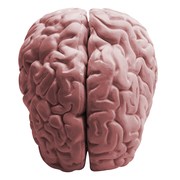 Arina Zaiachin/PhotoSpin
In the United States, about 17.6 million adults have a problem with alcohol. Alcohol abuse and alcohol dependence, also called alcoholism, are two serious alcohol problems.
When an individual has alcohol dependence, she has developed a physical addiction to alcohol. She may feel a compulsion to drink and may have trouble limiting how much she consumes.
Individuals with alcoholism can develop a tolerance for alcohol, in which they need to consume more alcohol to feel the same effects as before. When they do not consume alcohol, they experience physical withdrawal symptoms.
Possible withdrawal symptoms include shaking, nausea, sweating, rapid heart rate, headache and clammy skin. Irritability, anxiety and mood swings may occur.
Alcohol dependence can cause significant damage to the brain. Problematic drinking increases the risk for several neurological diseases, such as dementia and Wernicke-Korsakoff syndrome, according to MedlinePlus.
One type of brain cell affected by alcoholism is white matter. White matter gets its color from myelin, which helps facilitate neural communication. Thus damage to the white matter affects how the brain communicates, resulting in difficulties such as memory problems.
But what happens to an individual’s white matter after she quits drinking? A study conducted at Boston University School of Medicine investigated whether there are any gender differences in white matter volume post-alcoholism.
The study included 42 women and men who previously met criteria for alcohol dependence and compared them to 42 controls.
The researchers used structural magnetic resonance imaging to compared white matter volume between the two groups.
They found that in the former alcoholics, those who drank longer had smaller white matter volumes. The researchers also noted that the former alcoholics had larger brain ventricles than the non-alcoholics.
Gender differences in white matter recovery were found.
The findings suggested that women recover white matter earlier than men, with a decrease in ventricle volume and increase in white matter volume noted in women during the first year of recovery, but not in men. This recovery was noted in men when they had abstained for more than a year.
References
MedlinePlus. Alcoholism. Web. 5 September 2012
http://www.nlm.nih.gov/medlineplus/alcoholism.html
MedlinePlus Medical Encyclopedia. Alcohol Withdrawal. Web. 5 September 2012
http://www.nlm.nih.gov/medlineplus/ency/article/000764.htm
MedlinePlus Medical Encyclopedia. Alcoholism and Alcohol Abuse. Web. 5 September 2012
http://www.nlm.nih.gov/medlineplus/ency/article/000944.htm
MayoClinic.com. Alcoholism. Web. 5 September 2012
http://www.mayoclinic.com/health/alcoholism/DS00340/METHOD=print
MedlinePlus Medical Encyclopedia. White Matter of the Brain. Web. 5 September 2012
http://www.nlm.nih.gov/medlineplus/ency/article/002344.htm
HealthDay News. Women’s Brains React Differently Than Men’s to Alcoholism, Study Finds. Web. 5 September 2012
http://consumer.healthday.com/Article.asp?AID=667575
Reviewed September 5, 2012
by Michele Blacksberg RN
Edited by Jody Smith
Add a CommentComments
There are no comments yet. Be the first one and get the conversation started!