




Improved
6112 HealthChanged
3786 LivesSaved
3568 Lives0 lives impacted in the last 24 hrs Learn More
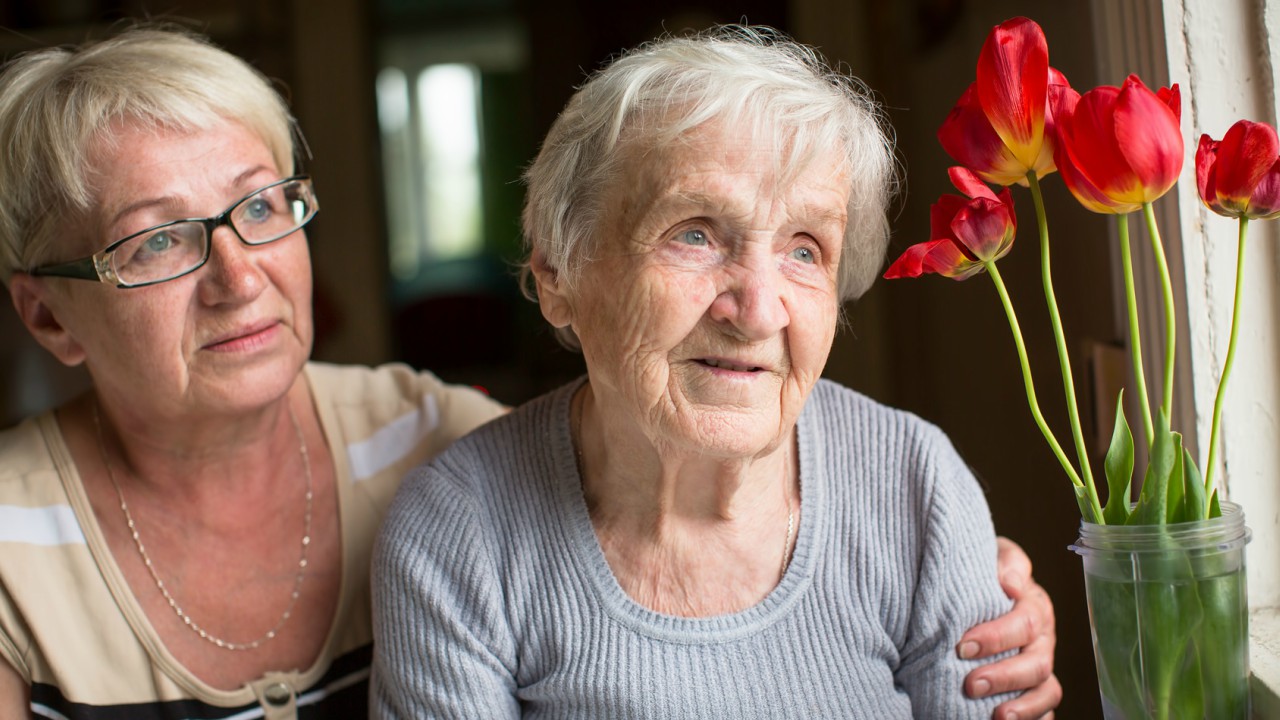
 Photo: Getty Images
One of the most difficult, distressing and frightening situations for home caregivers or staff in care facilities is aggressive or combative behavior from someone who has Alzheimer's disease. Aggression such as shouting, raising a hand to someone, pushing, biting and hitting, is not uncommon amongst people with Alzheimer's. It can happen suddenly and without warning, at other times there is a clear build-up of emotion and disturbance prior to the outburst.
The chief cause of behavioral symptoms is the progressive deterioration of brain cells. However, environmental influences can also cause symptoms or make them worse. Aggression can be caused by many factors including physical discomfort, environmental factors and poor communication. Aggressive behaviors can occur suddenly, with no apparent reason, or can result from a frustrating situation.
• Non-aggressive Verbal Behavior: Incoherent babbling, screaming or repetitive questions is frustrating to the caregiver and family members, especially as a sign that your loved one is "losing it."
• Non-aggressive Physical Behavior: Pacing, wandering, repetitive body motions, hoarding or shadowing represent ways for your loved one to communication boredom, fear, confusion, search for safety or inability to verbalize a request for help or a feeling of pain.
• Aggressive Verbal Behavior: Cursing and abusive language can be shocking when your loved one was previously upright and proper.
• Aggressive Physical Behavior: Clearly, physically aggressive behavior such as hitting, scratching or kicking can be dangerous or life-threatening to the caregiver and care recipient.
The Alzheimer's Association suggests how to calmly respond when a person with Alzheimer's becomes confused or disoriented:
• Don't take any comments personally.
• Stay calm, and try not to react if your feelings are hurt.
• Offer an explanation, but keep it simple and brief.
• Show your loved one photo’s or other familiar reminders to help him or her remember.
• Approach someone from the front -- where he or she can see you -- rather than the back.
• Always be gentle, instead of scolding.
Watch out for warning signs, such as anxious or agitated behavior or restlessness, and take action immediately to help the person feel more calm and reassure.
sources:
http://www.alz.org/living_with_alzheimers_aggression.asp ?
http://www.alzheimers.org.uk/site/scripts/documents_info.php?documentID=96 ?
Reviewed July 22, 2011
by MIchele Blacksberg R.N.
Edited by Jody Smith
Aging with Grace is a national eldercare assistance program that provides the solution to the growing work place issue of elder caregiver stress. To learn more about Aging with Grace and how they can provide a work/life benefit for your company or association visit www.agingwithgrace.net
Add a Comment2 Comments
Great advice and knowledge about aggression and Alzheimers disease. I am going to feature this article on the blog http://dementiaviews.blogspot.com
July 23, 2011 - 7:53amby Susan Berg author of Adorable Photographs of Our Baby-Meaningful Mind Stimulating Activities and More for the Memory Challenged, Their Loved Ones and Involved Professionals a book for those with dementia and an excellent resource for caregivers and healthcare professionals.
This Comment
Thank you. I'm pleased that you'll be sharing it with others.
July 25, 2011 - 7:49pmThis Comment