


Improved
6139 HealthChanged
3797 LivesSaved
3584 Lives0 lives impacted in the last 24 hrs Learn More
Alzheimer's disease has been covered widely in health news recently, with different treatment methods and ways to prevent the disease. Even so, I didn’t expect to see it in my own family.
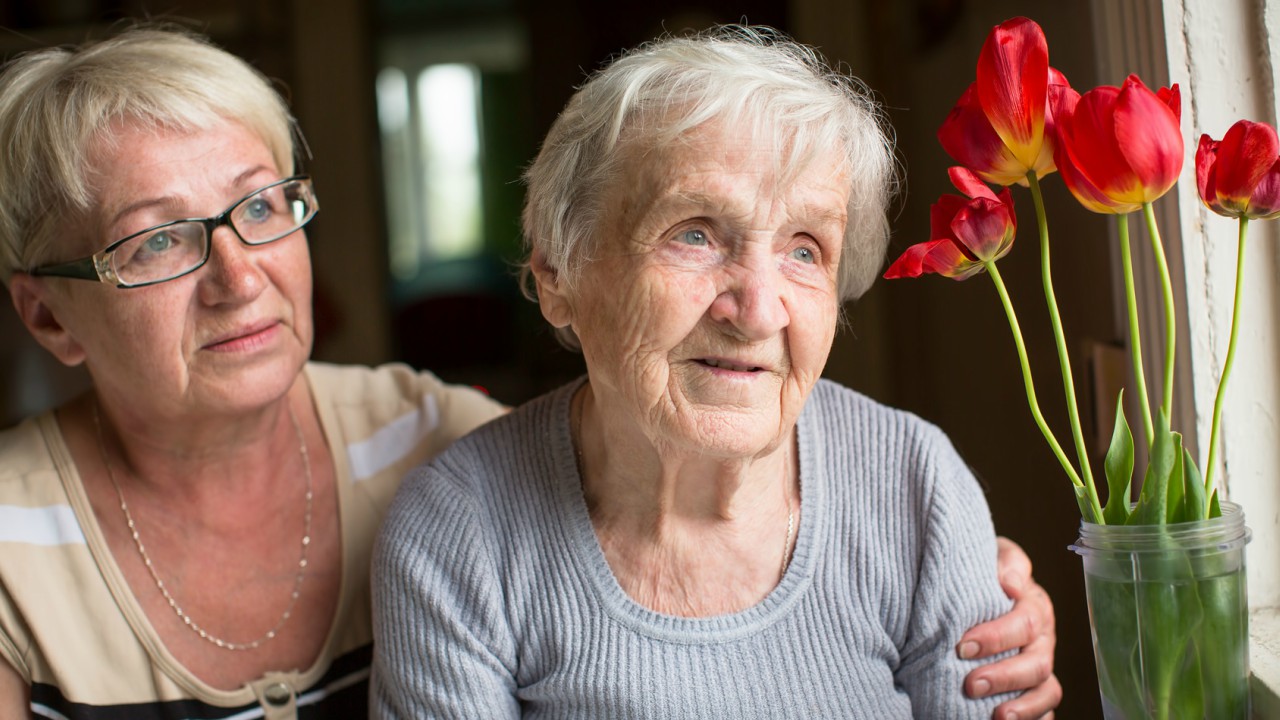
Although it is not certain yet, I believe my grandmother is showing signs of Alzheimer's disease. The other day when I called to invite her to the house, she said she had trouble remembering how to turn on the computer. My stepmother also talked to her and she told me that my grandmother said she had trouble remembering what certain objects were called. She also forgot my stepsister's name.
I tried to make my grandmother feel better by saying she was probably just having a bad day, and that memory loss happens to everyone. However, I discussed the issue with my stepmother and she told her that she needs to see a doctor. Hopefully she will follow through with this because I know it pains her to be losing her memory like this.
In order to help a loved one with Alzheimer’s disease, it is probably best to know the symptoms first.
Here are the 10 warning signs for Alzheimer’s disease from the Alzheimer’s Association:
1) Memory changes that disrupt daily life
2) Challenges in planning or solving problems
3) Difficulty completing familiar tasks at home, at work or at leisure
4) Confusion with time or place
5) Trouble understanding visual images and spatial relationships
6) New problems with words in speaking or writing
7) Misplacing things and losing the ability to retrace steps
8) Decreased or poor judgment
9) Withdrawal from work or social activities
10) Changes in mood and personality
There are many ways to help a loved one with Alzheimer’s disease, but probably the best way is to realize that they do need help and to give them constant attention. It is probably best that the person with Alzheimer’s disease not be left alone.
The Alzheimer’s Association says it is important to recognize that you will have to help your loved one perform certain tasks, such as balancing the checkbook, doing taxes, handling financial and legal matters and doing household chores.
Some tips for dealing with this (from the Alzheimer's Association):
1) Locate financial and legal documents, such as life insurance policies, property deeds and retirement accounts.
2) Get help from family, friends, professionals or community resources.
3) Evaluate the environment, such as removing locks in bedrooms and bathrooms and keeping a fire extinguisher handy.
4) Remove or keep an eye on dangerous objects and substances.
5) Remove and replace certain furniture, rugs, etc. that might cause injury.
6) Prepare for your loved one having vision limitations.
7) Remove firearms from your loved one’s home.
8) Find a caregiver (someone should probably always be keeping an eye on your loved one)
9) Recognize signs of depression and try to comfort your loved one
10) Plan activities with your loved one – this can improve their quality of life
11) Encourage activities that may improve memory but don't focus too much on achievement
12) Don't ask too many questions at once and keep answers simple
13) Learn to do the Heimlich maneuver in case your loved one chokes on food
14) Consider music, art and pet therapy for your loved one
15) Help prepare foods that can improve memory, such as fish, vegetables, berries and coffee, according to an article on suite101.com. Also, don't allow your loved one to smoke.
Here is a link to the suite101.com article: http://seniors-health-medicare.suite101.com/article.cfm/foods_that_improve_memory
Go to this Web site to find more tips on living with a loved one with Alzheimer’s disease: http://www.alz.org/living_with_alzheimers_caring_for_alzheimers.asp
Add a CommentComments
There are no comments yet. Be the first one and get the conversation started!