



Improved
6112 HealthChanged
3785 LivesSaved
3568 Lives0 lives impacted in the last 24 hrs Learn More
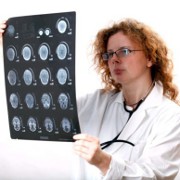 Photo: Getty Images
Chances are that you have heard of abusive head trauma, but under a different name: shaken baby syndrome. A serious type of child abuse, abusive head trauma can cause severe neurological damage. In a 2009 policy statement from the American Academy of Pediatrics, the organization stated that the name was changed from “shaken baby syndrome” to “abusive head trauma” to encompass what doctors have learned about the injury. For example, while shaking the child can result in neurological damage, the American Academy of Pediatrics pointed out that injury can also result from a blunt impact. Victims can suffer from other neurological issues that can complicate their outcome, such as secondary hypoxic ischemic injury and spinal cord injury.
Victims of abusive head trauma can be as young as a year old and as old as 5 years old. The Nemours Foundation noted that the average age ranges between 3 months and 8 months. The shaking of the young child causes the brain to hit back and forth against the skull. This impact can cause serious damage, such as bruising or bleeding in the brain. Abusive head trauma patients can also have pressure or swelling in the brain, bleeding in the retina, bone fractures and damage to the spinal cord. Symptoms of abusive head trauma include vomiting, seizures, pale or bluish skin, lethargy, extreme irritability, decreased alertness, loss of vision or consciousness, poor feeding and no breathing. MedlinePlus pointed out that abusive head trauma is unlikely to occur if the child falls of a chair or down the stair, from gentle bouncing or being dropped accidentally.
The National Institute of Neurological Disorders and Stroke (NINDS) warned that the prognosis for children who have sustained abusive head trauma is worse than children who have sustained accidental traumatic brain injury. Children who have experienced abusive head trauma can have neurological disabilities, such as cerebral palsy, or a mental disability, such as an intellectual and developmental disability. Other effects of abusive head trauma include memory and attention problems, speech difficulties, and hearing or vision loss. For some children, they may require medical care for the rest of their lives.
Abusive head trauma can be prevented. MedlinePlus's recommendations include never shaking a child in either anger or play, not holding the child during an argument, and putting the child in her crib when you are angry and then finding a way to calm down.
Add a CommentComments
There are no comments yet. Be the first one and get the conversation started!