




Improved
6112 HealthChanged
3786 LivesSaved
3568 Lives0 lives impacted in the last 24 hrs Learn More
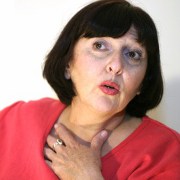 Photo: Getty Images
In the United States, about 1 million people suffer from the language disorder aphasia, which results from damage to the brain, according to the National Institute of Neurological Disorders and Stroke. Several types of aphasia exist, which differ on the area of the brain that was affected. Aphasia can occur at any age, though the National Institute on Deafness and Other Communication Disorders pointed out that it is most common in people who are middle-aged or older; the rates in women and men are around the same. Aphasia may occur after a stroke, head injury, brain tumor, or infection. Patients with aphasia may have problems understanding language or getting words out.
Treatment for aphasia includes rehabilitation with a speech-language pathologist. Some patients may not require treatment and may recover on their own. The National Institute on Deafness and Other Communication Disorders explained that this occurs with patients who had acquired aphasia after a transient ischemic attack, which is a type of stroke. With a transient ischemic attack, the blood supply is only interrupted for a short period of time – the American Heart Association pointed out that the majority of transient ischemic attacks last for less than five minutes. The temporary interruption in blood supply to the brain results from a blood clot that blocks an artery. If a transient ischemic stroke patient suffers from aphasia, her acquired language problems should cease in a few hours or days.
For other aphasia patients, they may benefit from speech-language therapy. The MayoClinic.com advised that rehabilitation should start early after a brain injury, as it is the most effective then. Speech-language therapy with an aphasia patient will work on helping her regain as much of her language skills as possible. The speech-language pathologist will work with the patient to compensate for lost language abilities and develop other ways of communicating with people. The therapy may be done on a one-on-one basis with the patient or in a group setting. Patients may also benefit from support groups. For example, if a patient acquired aphasia after a stroke, she may benefit from a stroke support group. Rehabilitation may also include computers, which can help patients who have trouble with word sounds. The recovery period with therapy usually lasts over two years, according to the National Institute on Deafness and Other Communication Disorders.
References
National Institute on Deafness and Other Communication Disorders. Aphasia. National Institutes of Health, 2008. Web. 9 May 2011
http://www.nidcd.nih.gov/health/voice/aphasia.html
National Institute of Neurological Disorders and Stroke. Aphasia Information Page. National Institutes of Health, 2010. Web. 9 May 2011
http://www.ninds.nih.gov/disorders/aphasia/aphasia.htm
Mayo Clinic staff. Aphasia: Treatment and Drugs. MayoClinic.com, 2010. Web. 9 May 2011
http://www.mayoclinic.com/health/aphasia/DS00685/DSECTION=treatments-and-drugs
American Heart Association. Transient Ischemic Attack. Web. 9 May 2011
http://www.americanheart.org/presenter.jhtml?identifier=4781
Add a CommentComments
There are no comments yet. Be the first one and get the conversation started!