




Improved
6112 HealthChanged
3786 LivesSaved
3568 Lives0 lives impacted in the last 24 hrs Learn More
In 2001, researchers at the University Medical School of Miami found that ginger is as effective as anti-inflammatory painkillers at easing the pain of osteoarthritis, the most common form of arthritis.
The spice is already traditionally used to ease morning sickness of pregnancy, motion sickness and has been shown to be effective at easing nausea experienced after chemotherapy and surgery. It has been used in China to treat stomach upsets and nausea for over 2,000 years. Even today, medical professionals sometimes recommend ginger to ease all those conditions.
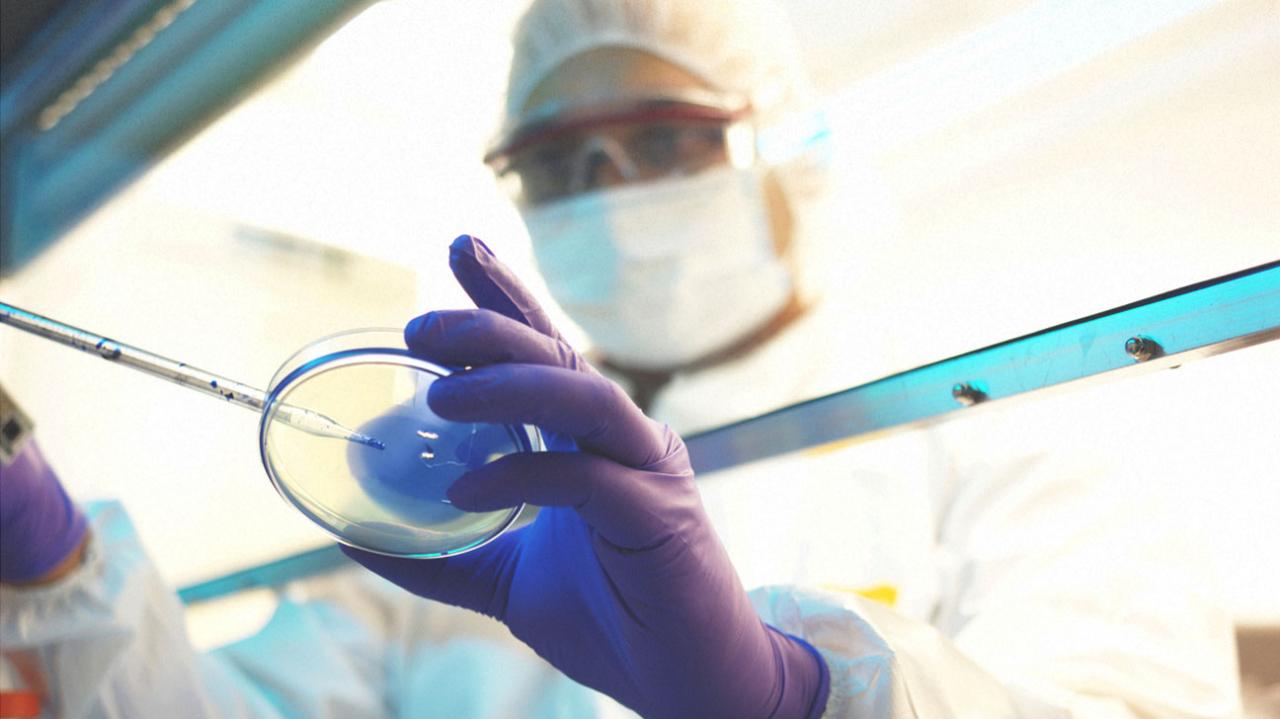
A team of scientists from the university formulated a pill containing extract of ginger and tested it on 250 people with moderate to severe osteoarthritis. Of those, 125 people were given a placebo. The control group were given 255 mg of ginger extract twice a day for six weeks.
Two thirds of those taking the ginger reported a reduction in their arthritic pain, a much higher amount than those who were taking the placebo.
Professor Altman, the lead study author, said “The effect is similar to that seen with trials using conventional drugs."
The University of Maryland Medical Center suggest the following as a treatment:
• Two to four grams of ginger tea daily, or ginger juice or extract
• Topical ginger oil can be rubbed into painful joints
• You can also place ginger in a compress to apply to sore areas.
Food Sources for Ginger:
A few examples of dietary sources of ginger include curries with ginger spice added, carrot and ginger soup, ginger stir fry, ginger cookies and gingerbread, ginger tea and ginger beer.
Contraindications:
Herbs have less side-effects than anti-inflammatory medications and are generally safe, however, they can prevent blood from clotting so should not be taken if you have a blood clotting disorder or you are going to have surgery. If you are taking medications you should tell your doctor if you intend to take ginger, as it can stop some medications from working.
Sources: Arthritis and Rheumatism, Volume 44 Issue 11, Pages 2461 – 2462
University of Maryland Medical Center, Ginger information page.
Joanna is a freelance health writer for The Mother magazine and Suite 101 with a column on infertility, http://infertility.suite101.com/. She is author of the book, 'Breast Milk: A Natural Immunisation,' and co-author of an educational resource on disabled parenting, in addition to running a charity for people damaged by vaccines or medical mistakes.
Add a CommentComments
There are no comments yet. Be the first one and get the conversation started!