



Improved
6112 HealthChanged
3786 LivesSaved
3568 Lives0 lives impacted in the last 24 hrs Learn More
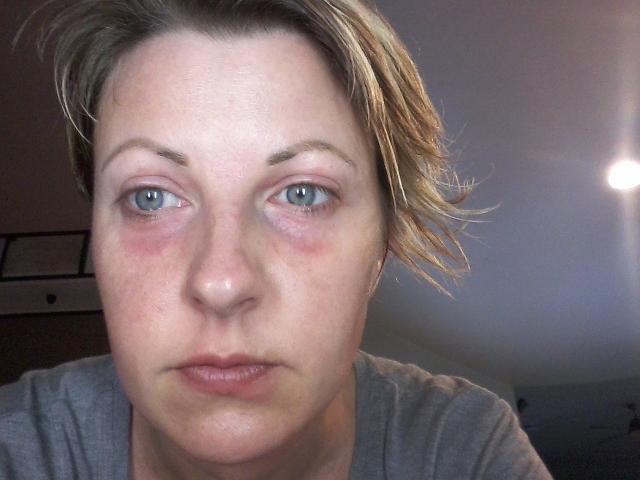
Atopic dermatitis, also called eczema, may show seasonal variations for many patients. The red, itchy skin patches are caused by an inflammatory process that can get worse with exposure to irritants, including cold, dry weather. The medical literature offers several tips for dermatitis patients dealing with winter weather.
A two-week vacation in the Canary Islands is my favorite recommendation. Researchers in Finland published a study of 23 patients whose atopic dermatitis showed “marked healing” with two weeks of “heliotherapy” in January or March. The Canary Islands are located off the coast of Africa at the same latitude as Florida. The researchers also monitored vitamin D levels in the patients' blood. Before therapy, 74 percent had a deficiency. All patients improved significantly in terms of vitamin D levels as well as in skin condition. It may be more cost-effective to take vitamin pills, but the Canary Islands in January sound quite attractive to me.
A Japanese research group studied the effects of moisturizing lotion on atopic dermatitis as a function of weather. The moisturizer formulation was provided by a consensus of Japanese cosmetic scientists, and tested during two seasons: winter and late spring. In late spring, the lotion had little health effect, but in winter it produced significant improvements in skin condition.
Many treatment options are available for itchy skin, including over the counter and prescription drugs, plus alternative therapies. Reference 4 provides a comprehensive list:
1. Antihistamines: topical diphenhydramine and oral doxepin.
2. Corticosteroids: hydrocortisone cream and oral prednisone.
3. Local anesthetics: benzocaine, diperodon, lidocaine, menthol, pramoxine, capsaicin.
4. Calcineurin inhibitors: pimecrolimus, tacrolimus.
5. Cholestyramine, an ingestible polystyrene.
6. Rifampicin, an antibiotic that lowers hepatocyte bile salt concentrations.
7. Naltrexone, an opiate receptor antagonist.
8. Phototherapy, either with sunlight or artificial UV light.
9. Cutaneous field stimulation, an electrical procedure.
10. Over the counter moisturizers.
11. Nutritional therapy with vitamins D and E, and linolenic acid (an omega-3 fatty acid).
12. Reflex therapy, acupuncture, and hydrotherapy.
See your doctor if winter skin is a problem for you and the Canary Islands vacation is not practical.
References:
1. Weiss SC et al, “Impact of seasonality on conducting clinical studies in dermatology”, Clin Dermatol. 2008 Sep-Oct; 26(5): 565-9.
2. Vahavihu K et al, “Heliotherapy improves vitamin D balance and atopic dermatitis”, Br J Dermatol. 2008 Jun; 158(6): 1323-8.
3. Kikuchi K et al, “Noninvasive biophysical assessments of the efficacy of a moisturizing cosmetic cream base for patients with atopic dermatitis during different seasons”, Br J Dermatol. 2008 May; 158(5): 969-78.
4. Lovell P et al, “Management and treatment of pruritus”, Skin therapy Lett. 2007 Feb;12(1): 1-6.
Linda Fugate is a scientist and writer in Austin, Texas. She has a Ph.D. in Physics and an M.S. in Macromolecular Science and Engineering. Her background includes academic and industrial research in materials science. She currently writes song lyrics and health articles.
Add a CommentComments
There are no comments yet. Be the first one and get the conversation started!