



Improved
6112 HealthChanged
3785 LivesSaved
3568 Lives0 lives impacted in the last 24 hrs Learn More
 Photo: Getty Images
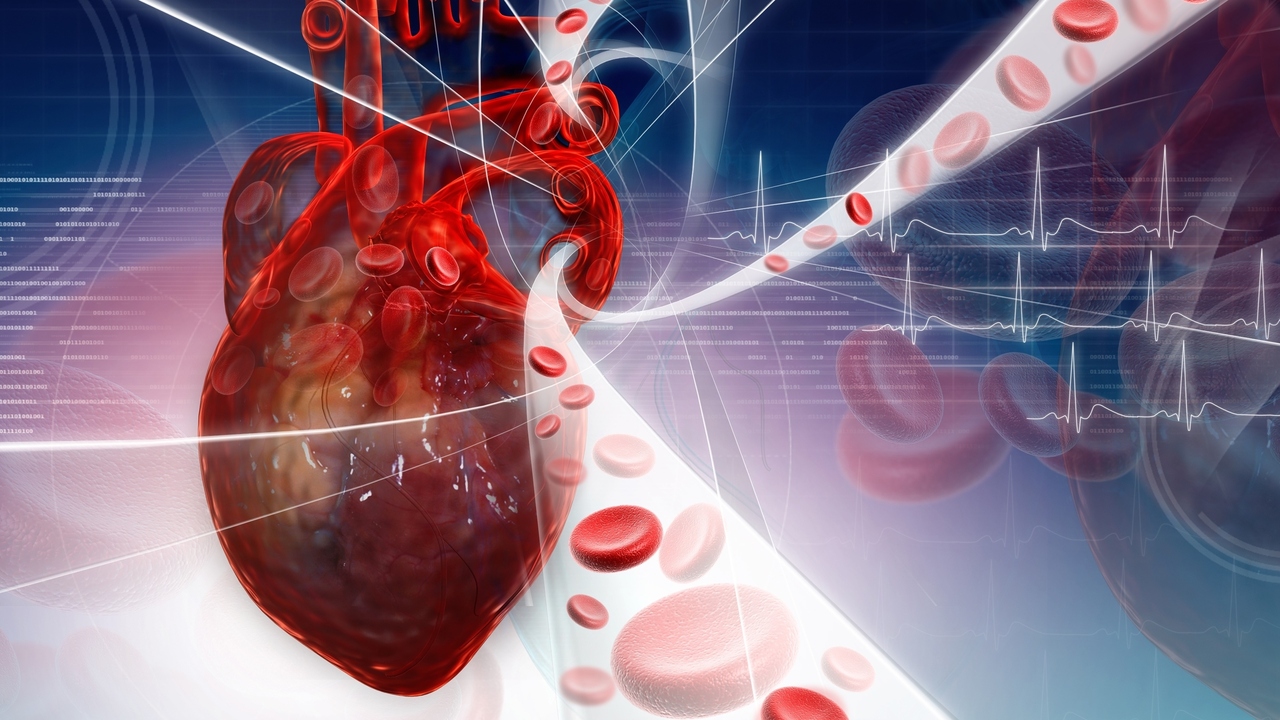
If you have atrial fibrillation, or AFIB, then chances are your heart won’t be winning any prizes for efficiency. In fact, hearts with atrial fibrillation are notoriously inefficient. Imagine for a moment a band where the fiddle plays in one key but the guitar and bass are in different keys. The result is not good! Such is the case with atrial fibrillation.
Hearts in atrial fibrillation are unable to pump enough blood to adequately supply the body with enough blood to stay healthy and well oxygenated. The inefficiency is the result of an irregular -- and sometimes too-rapid -- heart beat caused when the upper chambers of the heart, or atria, are out of sync with the ventricles, or lower chambers of the heart.
Symptoms
Atrial fibrillation is not a heart attack or heart failure and it’s generally not life threatening. However, the symptoms can be bothersome and may include conditions such as shortness of breath, general weakness, heart palpitations, low blood pressure, lightheadedness, chest pain, and confusion. It’s also possible to be asymptomatic and have no symptoms whatsoever.
Regardless of the symptoms experienced, atrial fibrillation should not be taken lightly. It’s a serious condition which requires medical intervention to help the atria and ventricles return to a normal rhythm pattern.
Types of atrial fibrillation: chronic versus paroxysmal
For some people, atrial fibrillation is not a constant companion and episodes may occur only occasionally. Atrial fibrillation that comes and goes is generally referred to as paroxysmal atrial fibrillation.
Persons with paroxysmal atrial fibrillation generally experience symptoms which last only a short time and then resolve on their own. On the other hand, some people may develop chronic atrial fibrillation and are constantly symptomatic.
Causes
Although many conditions may contribute to atrial fibrillation, the most common cause is either damage to the heart -- such as from a heart attack or prior heart surgery -- or some type of abnormality to the structure of the heart itself, such as abnormal heart valves or a congenital heart defect. Other causes include conditions such as high blood pressure, natural aging, heart disease, sleep apnea, emphysema, infections, thyroid problems, pneumonia, stimulants, family history, alcohol consumption, and sick sinus syndrome.
Guidelines for seeking treatment
Sometimes, it’s hard to know when to seek medical attention, especially if the condition is not life-threatening. If you’ve never been diagnosed with atrial fibrillation and experience symptoms, you should work with your health care professional to determine if you have atrial fibrillation or a different heart condition so that the condition can be treated appropriately.
Because chest pain could be a symptom of a more serious underlying condition -- such as a heart attack -- it’s important to seek medical attention immediately if you experience chest pain. This is true even if you have a prior diagnosis of atrial fibrillation.
Complications
Complications from atrial fibrillation can be quite serious and include both stroke and heart failure. Because the complications can be life threatening, it’s important to work with your health care professional to diagnose your atrial fibrillation and develop a treatment plan.
Treatments
Atrial fibrillation should be treated in order to avoid the development of blood clots and to reset the heart’s rhythm back to normal patterns. In addition, you’ll want to identify any underlying causes and treat those triggering conditions as well.
Some of the treatments that your health care professional may prescribe include:
• Cardioversion. Cardioversion attempts to reset the heart rate back to normal. This can be accomplished with various medications and is usually conducted in a hospital setting so that heart rates can be monitored during the process. Sometimes, your physician may recommend electrical cardioversion.
In electrical cardioversion, a shock is delivered to the heart which causes it to temporarily stop and then restart in normal rhythm. Medications may be prescribed after electrical cardioversion to help maintain normal heart rhythm.
• Controlling heart rates: medication. Sometimes, cardioversion doesn’t work. When this happens, the goal is to control the heart rate and try to slow it down to a more normal range -- generally between 60 and 100 beats per minute. This is usually accomplished by the use of medications such as Lanoxin, calcium channel blockers, beta blockers, and ACE inhibitors.
• Controlling heart rates: atrioventricular (AV) node ablation. AV node ablation is used when traditional medications either don’t work or have too many side effects to be tolerated. A thin tube or catheter is inserted and radiofrequency energy is used to prevent the atria from "talking" to the ventricles. A pacemaker is then inserted to establish and maintain normal heart rhythm.
Blood thinners are generally required afterwards to minimize the risk of clot formation and stroke. Your physician may prescribe medications such as Warfarin or Coumadin or Dabigaran, also known as Pradaxa. Your physician may also recommend that you limit your salt intake, improve your diet, limit alcohol consumption, quit smoking, and increase physical activity.
Sources:
Atrial fibrillation, The Mayo Clinic. 11 Feb 2011. http://www.mayoclinic.com/health/atrial-fibrillation/DS00291
Stephen S. Ryan, PHD. Atrial Fibrillation Overview. Atrial Fibrillation: Resources for Patients. 2011.
http://www.a-fib.com/Overview.htm
Reviewed September 7, 2011
by Michele Blacksberg R.N.
Edited by Jody Smith
Add a Comment3 Comments
I have to thank you for being so insightful and forward-thinking. Your article reflects intelligence and common sense, i like it.
March 29, 2012 - 10:50pmThis Comment
Hello anon... Thank you so much for reading and taking the time to post. I'm glad you liked it and hope the info was helpful. Please keep reading and visit often! Kind regards, Mary
April 9, 2012 - 8:11pmThis Comment
If you do have Afib beware of the catheter ablation procedure. It is not as safe or effective as advertised: http://collateral-damage.net
September 19, 2011 - 5:02amThis Comment