



Improved
6139 HealthChanged
3797 LivesSaved
3584 Lives0 lives impacted in the last 24 hrs Learn More
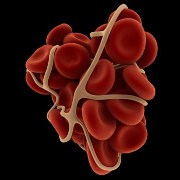 Photo: Getty Images
There are always risks associated with drugs. Hormonal birth control is no exception. One of those risks is developing blood clots.
Normally blood clots is the body’s way of healing itself. However, they become dangerous if they form when not needed or if they interfere with the circulatory system.
How does that tie in with birth control? Credit is generally given to estrogen found in birth control pills, patches, and rings. Estrogen doesn’t form the clots, but makes clotting more likely.
These risks are very, very low. YoungWomensHealth.org said among women who don’t take the pill, five out of 100,000 per year develop blood clots. Among women who do take the pill, the risk slightly increases to 15-20 out of 100,000 women per year.
Get this--actually being pregnant puts women at a higher risk for developing blood clots. The stats jump to 60 out of 100,000 women per year. Higher levels of estrogen are thought to be the cause as well.
The risk factor is lower thanks to time and medical advancements. Today’s low-dose oral contraceptives have less risk than the older, higher-dose ones.
Even though it’s small, according to EverydayHealth.com, there is a risk of developing deep vein thrombosis (DVT). This is a dangerous type of blood clot that usually forms in the legs. If a clot travels, this DVT can lead to even more serious complications like blocking an artery in the lung which could cause death. To learn more, check out this video.
For women taking birth control with estrogen, there are other risk factors that can add to the development of blood clotting. These include smoking, being overweight, having a sedentary lifestyle, recent surgery, an injured leg, high blood pressure or suffering from severe migraines. Having a family history of blood clots, heart disease and/or defects and stroke are additional risk factors.
Possible blood clots do give off warning signs and symptoms. One is severe pain or tenderness in the leg. Another is a difference in leg temperatures. That’s because a leg with a clot may be warmer to the touch. A blood clot may cause swelling in one area or on one leg.
Headaches, difficulty speaking, fainting, numbness or weakness in extremities, eye problems, abdominal or chest pain and shortness of breath can all be blood clot indicators. A woman should contact a doctor immediately with any of these symptoms.
Talking with a health care provider is a good way to learn more about the risks of blood clots while taking birth control with estrogen.
Sources:
http://www.goaskalice.columbia.edu/0674.html
http://www.emedicinehealth.com/understanding_birth_control_medications_c...
http://www.stoptheclot.org/learn_more/womens_health_faq.htm
http://www.everydayhealth.com/dvt/blood-clot-and-birth-control-pill-link...
http://familydoctor.org/online/famdocen/home/common/blood/244.html
http://www.youngwomenshealth.org/oral.html
Reviewed June 20, 2011
Edited by Alison Stanton
Add a CommentComments
There are no comments yet. Be the first one and get the conversation started!