




Improved
6112 HealthChanged
3786 LivesSaved
3568 Lives1 lives impacted in the last 24 hrs Learn More
A diagnosis of a brain tumor can be a difficult and scary one for patients. They may be wondering what their prognosis is, what treatment they will be undergoing, and what side effects may occur.
When it comes to deciding what treatment will be done, the patient’s doctor will look at several factors, including the patient’s age, her general health, the location of the brain tumor, what type of brain tumor the patient has, and what grade the tumor is. The three main options for treatment of a brain tumor are radiation therapy, chemotherapy and surgery.
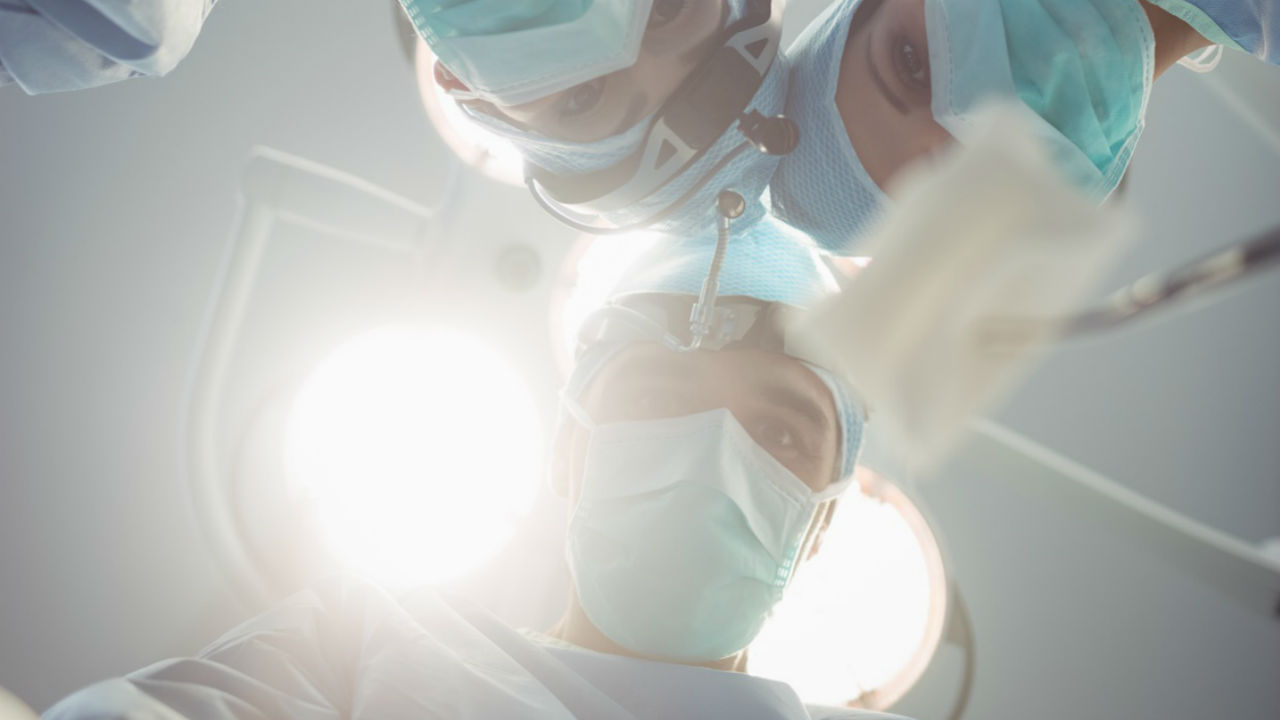
Surgery is often the first treatment for a brain tumor, according to the National Cancer Institute. To access the brain tumor, the surgeon must perform a craniotomy, in which she removes a part of the patient’s skull. The patient is given anesthesia during the operation and the surgeon replaces the part of the skull that was removed.
If the patient undergoes a craniectomy, the bone is not replaced after closing the incision, which can occur in cases in which swelling is expected. In some cases, the patient may be awake during the surgery.
This is called an awake craniotomy, in which the patient is under local anesthesia. With this type of craniotomy, the surgeon can ask the patient to follow certain commands, which helps prevent damage to critical areas of the brain. Once the surgeon has access to the brain, she can begin removing the tumor. Options include debulking, partial removal and complete removal.
With debulking, the surgeon removes as much of the tumor as possible. The American Brain Tumor Association noted that with the term debulking, it does not indicate the type of procedure done or how much was removed.
If a partial removal is done, only part of the tumor is surgical removed, due to a risk for neurological damage if a complete removal was done. In these cases, the patient will undergo another type of treatment, such as chemotherapy or radiation.
The whole tumor is removed with a complete removal, though it is possible for a regrowth of tumor cells. If a patient has increased intracranial pressure due to the brain tumor causing a blockage of cerebrospinal fluid flow, the surgeon may implant a shunt to drain the buildup of fluid.
Different surgical options are available for a brain tumor besides standard practices. For example, a patient may undergo laser microsurgery, in which heat is used to vaporize the tumor tells.
With a glioma tumor, the University of Maryland Medical Center noted that an ultrasound may be used to break up the tumor, which can then be suctioned out — a procedure called ultrasonic aspiration. Another option is radiosurgery, in which radiation is used.
Like other types of surgery, surgery for a brain tumor does have side effects. The National Cancer Institute stated that patients post-surgery may have headaches, feel uncomfortable or tired. Less common problems include fluid buildup in the brain or brain swelling. There are additional more serious risks that should be discussed with your doctor before the surgery takes place.
References
Wake Forest Baptist Health. Brain Tumor Surgery. Web. 21 September 2011
http://www.wakehealth.edu/Comprehensive-Cancer-Center/Brain-Tumor/Brain-Tumor-Surgery.htm
American Brain Tumor Association. Focusing on Treatment: Surgery. Web. 21 September 2011
http://www.abta.org/siteFiles/SitePages/ABC3A809DEA9E6F5B1A2E4C935ED6188.pdf
University of Maryland Medical Center. Brain Tumors – Primary – Surgery. Web. 21 September 2011
http://www.umm.edu/patiented/articles/what_general_guidelines_treating_brain_tumors_000089_8.htm
National Cancer Institute. What You Need to Know About Brain Tumors: Treatment. Web. 21 September 2011
http://www.cancer.gov/cancertopics/wyntk/brain/page7
Reviewed September 21, 2011
by Michele Blacksberg RN
Edited by Jody Smith
Add a CommentComments
There are no comments yet. Be the first one and get the conversation started!