


Improved
6112 HealthChanged
3785 LivesSaved
3568 Lives0 lives impacted in the last 24 hrs Learn More
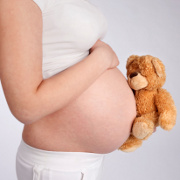 Photo: Getty Images
My friend's daughter-in-law just delivered a baby boy. I was surprised when they told me that her physician told her that they are planning to do a cesarean section on her. I asked her why? The answer I got was that since she was diagnosed with gestational diabetes she is considered as a candidate for a C-section. I didn't know whether being a diabetic qualifies for having C-section. So, I did some research on my own and this is what I gathered from several obstetricians that I met over here in India where I am staying.
Delivering a baby surgically is what is called 'cesarean section'. It involves making incisions to the mother's abdominal walls and uterus in order to take the baby out. Normally, vaginal birth is preferred by most people in order to reduce the complications of delivery. The advantages of vaginal delivery outweighs the advantages of the c-section. Invasive procedures are not involved so the mother and the baby can come home sooner. Recovery for the mother is quick since no stitches or chances of infection are involved. Since the mother is able to walk and do things normally she has chances of getting rid of the extra few pounds she put on during pregnancy. Mother can take care of the baby more efficiently.
C-sections are performed on mothers in emergency situations to save lives of both the babies and them. They are performed by the obstetricians who care for them. Whether a pregnant woman is up for a cesarean is mostly determined by the doctor depending on the conditions listed below:
a. The baby is in a breech or upside down position.
b. The baby is in transverse or side ways position in the womb.
c. The baby is suspected to have birth defects such as an enlarged head.
d. Mother has problems with her placenta (too low in the uterus -- placenta previa)
e. Mother has several medical conditions that include HIV, genital herpes, etc.
f. Mother has had previous delivery by C-section although there is no hard and fast rule she cannot deliver the baby by vaginal delivery.
g. Mothers with gestational diabetes are candidates for C-section if there is a delay in due dates.
h. Babies whose mothers have gestational diabetes tend to get low oxygen supply or placental fluids might be less or more, affecting the baby.
i. Women with gestational diabetes are recommended to have C-sections in order to prevent high levels of blood sugar affecting the babies or if the blood sugar is uncontrolled.
In emergency situations:
a. The labor stops in the middle.
b. Umbilical cord is obstructing or reducing the oxygen supply for the baby.
c. The baby's head is too big to come through the birth canal ( in most cases the birth canal is widened through a cut or incision near the opening to make way to the baby)
There is a notion among mothers-to-be these days that somehow C-sections are easier to handle than normal labor pains. Even though C-sections prevent mothers from having to go through labor the post-surgical complications for C-sections outweigh the benefits of normal delivery.
Procedure of the c-section involves:
a. Making an incision from the belly button down to the pubic hairline vertically through the abdominal wall.
b. Making an incision horizontaly about 1-2 inches above the pubic hairline (bikini cut)
c. Making another incision to the uterus transversely.
d. Taking the baby out of the womb.
e. Removing the placenta
f. Closing the uterus and abdominal incisions with dissolvable stitches or staples.
Even though local anesthesia could be injected for this procedure where the mother can be awake, most mothers choose to be sedated under general anesthesia. There is no pain involved during the surgery as the anesthesia is adminstered as well as an epidural.
Risks involving C-section:
a. It's mostly safe
b. Increased bleeding
c. Infection at the incision sites
d. Bladder or bowl injury
e. Reactions to medicines
f. Blood clots
g. Rarely death
h. Injury to the baby
i. Breathing problems for the baby
j. Chances of anesthesia reaching the baby temporarily sedating the baby
k. Increased risk of problems for future deliveries or C-sections
Post-surgical complications also include:
a. Patient might feel groggy
b. Vomiting due to sedation
c. Excessive bleeding
d. Fever,infection, pain as the anesthesia wears off, swelling in the legs, shortness of breath or chest pains, body pains.
e. Mild to moderate constipation is possible.
f. Breast and abdominal pain.
g. First couple of days mothers may have difficulty in lifting the baby in order feed and may need help.
h. Wearing loose-fitting cotton clothes will make a mother comfortable.
The new mother should get herself up and start walking in order to recover soon. Strenuous exercises or bending and lifting heavy things are not recommended. Having sex is not recommended for at least six to eight weeks. Walking could reduce blood clots and ease the heaviness of the body. Eating proper foods in order to be able recover faster and to increase lactation. Drinking plenty of water will help ease the complication with constipation. Taking care of the incision site with proper cleaning and dressing will help heal faster. Follow up with the obstetrician within ten days after discharge from the hospital is recommended. Once the surgical sutures dissolve or staples fall off a visit to the obstetrician at least three months once or six months once is helpful.
Even though C-sections are on the rise among young mothers, the risks involved are not too many if care is taken. 'Every time a mother gives birth to a child is another chance for her to live' but the suffering during normal vaginal delivery gives a sense of satisfaction and special bond to the mother and child the same way breastfeeding the baby would. Vaginal deliveries also give a mother a chance to recover faster in order to enjoy her baby whether it is cuddling it in her arms or holding it and feeding while feeling the warmth of the love she shares.
Motherhood is the most precious gift of all for a woman. Whether you deliver a baby by cesarean section or normal delivery, be happy with that bundle of joy in your arms. We are the creators of these wonderful masterpieces and only us.............'OUR LIFE MATTERS'
Add a CommentComments
There are no comments yet. Be the first one and get the conversation started!