



Improved
6139 HealthChanged
3797 LivesSaved
3584 Lives0 lives impacted in the last 24 hrs Learn More
Dr. Ben Ebrahimi explains the stages of colon cancer and shares the three ways a patient with colon cancer can be treated. Dr. Ebrahimi is an oncologist at San Antonio Community Hospital.
Dr. Ebrahimi:
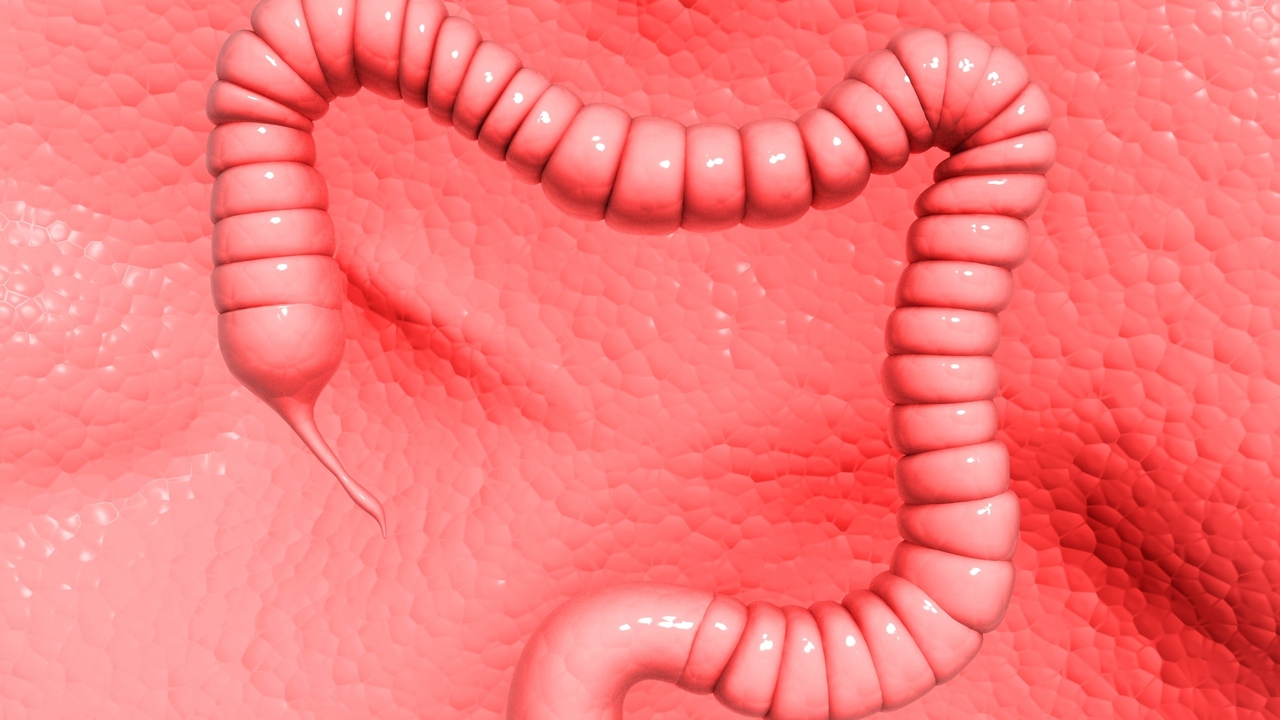
Colon cancer develops in polyps. Polyps are benign growths that you see throughout the colon and as we age, both men and women develop these polyps, and over time they can become cancerous if they are not detected early.
If you have any signs of bleeding, especially if you see blood in your stools or if you have like dark stools, that would be concerning. Also if you have had bleeding for a while you get a condition called anemia, when your red cells are a little too low, and if that happens you may have fatigued or shortness of breath. Also, if the colon cancer is pretty extensive it can affect the quality of your stool and you can get what’s called pencil-shaped stools, abdominal pain, nausea, vomiting, constipation. So I would say, overall the signs are very non-specific for colon cancer, therefore it is very important that you listen to your doctor and get your screening done at an early age because a lot of times it can be asymptomatic
Stage 1 is a very early stage, let’s say a polyp has become cancerous but hasn’t gone through the wall of the colon. Stage 2 it has gone through the wall but hasn’t involved the lymph nodes, and that would make it stage 2. Stage 3 would be if it has gone through the lymph nodes, and stage 4 is if it has gone to organs like the liver or the cover of the abdomen called the peritoneal, or lungs.
So the treatments for colorectal cancer is dependent on the stage; stage 1, 2, 3, and 4. So for any stage cancer there are basically three kinds of treatment; surgery, chemotherapy, or radiation therapy, or sometimes a combination of things. For stage 1, 2, and 3, we usually try to do surgery first where you remove the part of the intestine diseased with the colon, and then also remove the lymph nodes. In terms of, some selective stage 2 and stage 3 patients will get chemotherapy, which is basically through pill or IV to decrease the chances of the cancer coming back. And then stage 4, in most of those patients you would not do surgery, or radiation therapy for that matter, but you will do mostly chemotherapy to control the symptoms and make patients live longer.
I would strongly encourage everybody to go ahead and get that screening test. It is probably the best treatment for colon cancer.
About Dr. Ben Ebrahimi, M.D.:
Dr. Ebrahimi is an active member of the American Society of Hematology (ASH) and the American Society of Clinical Oncology (ASCO). In addition to his general oncology and hematology practice, his special interests include gastrointestinal malignancies such as colon and pancreatic cancer, of which he has published many abstracts and articles. He also specializes in treating hematological malignancies, lung and breast cancer.
For more information, call 909.985.3627 or visit
San Antonio Community Hospital
Add a CommentComments
There are no comments yet. Be the first one and get the conversation started!