These may be caused by other, less serious health conditions. You should see a doctor if you or your child is experiencing:
- Weakness
- Tiredness
- Fever
-
Paleness (a sign of
anemia
)
- Easy bruising or bleeding
- Petechiae (flat, pinpoint spots under the skin caused by bleeding)
- Shortness of breath
- Weight loss
- Loss of appetite
- Bone or joint pain
- Stomach pain
- Pain or a feeling of fullness below the ribs
- Painless lumps in the neck, underarms, stomach, or groin
- Swelling of the liver and/or spleen
Your doctor will ask about your symptoms and medical history. A physical exam will be done. The doctor may also check for swelling of the liver, spleen, or lymph nodes. You will likely be referred to an oncologist. This is a doctor who specializes in treating cancer.
Tests may include the following:
- Blood tests—to check for changes in the number or appearance of different types of blood cells
- Bone marrow aspiration—removal of a sample of liquid bone marrow to test for cancer cells
- Bone marrow biopsy
—removal of a sample of liquid bone marrow and a small piece of bone to test for cancer cells
- Spinal tap
—removal of a small amount of cerebrospinal fluid to check for cancer cells
- Routine microscopic exam—examination of a sample of blood, bone marrow, lymph node tissue, or cerebrospinal fluid
- Bone, blood marrow, lymph node tissue, or cerebrospinal fluid tests—to distinguish among types of leukemia
-
Cytogenetic analysis—a test to look for certain changes of the chromosomes (genetic material) of the lymphocytes; certain genetic abnormalities include:
- Relocation of genetic material from one chromosome to another
- Presence of a particular gene (Ikaros)
- Presence of a variant gene, which controls an enzyme that influences folate metabolism
-
Immunophenotyping—examination of the proteins on cell surfaces and the antibodies produced by the body; to distinguish lymphoblastic from
myeloid leukemia
and determine types of therapy
- Chest x-ray
—x-rays of the chest that may detect signs of lung infection or enlarged lymph nodes in the chest
- CT scan
—a type of x-ray that uses a computer to make pictures of structures inside the body
- MRI scan
—a test that uses magnetic waves to make pictures of structures inside the body
-
Gallium Scan and
Bone scan
—injection of a radioactive chemical into the bloodstream to detect areas of cancer or infection
- Ultrasound
—a test that uses sound waves to examine masses and organs inside the body
Please be aware that this information is provided to supplement the care provided by your physician. It is neither intended nor implied to be a substitute for professional medical advice. CALL YOUR HEALTHCARE PROVIDER IMMEDIATELY IF YOU THINK YOU MAY HAVE A MEDICAL EMERGENCY. Always seek the advice of your physician or other qualified health provider prior to starting any new treatment or with any questions you may have regarding a medical condition.
Copyright © 2024 EBSCO Publishing All rights reserved.
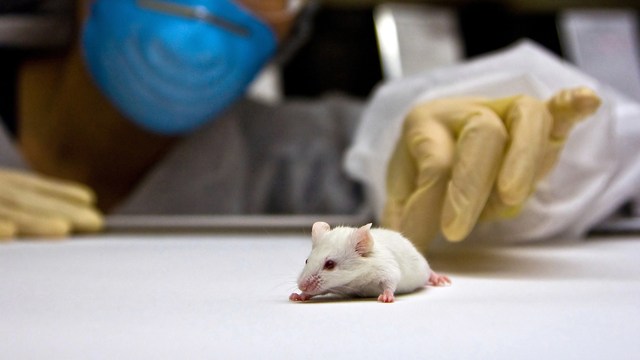 Novel Drug Discovery Eradicates Deadly Leukemia in Mice