Alcoholism Symptoms & Diagnosis

Get Email Updates

Alcoholism Guide

Alison Beaver Guide

Have a question? We're here to help. Ask the Community.

ASK

Free Newsletter

Receive the latest and greatest in women's health and wellness from EmpowHER!

Symptoms

It is common to deny an alcohol problem. Alcohol abuse can occur without physical dependence.

Alcohol abuse symptoms include:

  • Repeated work, school, or home problems due to drinking
  • Risking physical safety
  • Recurring trouble with the law, often including drinking and driving
  • Continuing to drink despite alcohol-related difficulties

Symptoms of alcoholism include:

  • Craving a drink
  • Unable to stop or limit drinking
  • Needing greater amounts of alcohol to feel the same effect
  • Giving up activities in order to drink or recover from alcohol
  • Drinking that continues even when it causes or worsens health problems
  • Wanting to stop or reduce drinking, but not being able
  • Withdrawal symptoms if alcohol is stopped include:

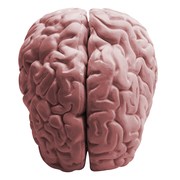
The brain, nervous system, heart, liver, stomach, gastrointestinal tract, and pancreas can all be damaged by alcoholism.

Some of the Organs Damaged in Alcohol Abuse

Alcohol damaged organs right size
© 2009 Nucleus Medical Art, Inc.

Diagnosis

Doctors ask a series of questions to assess possible alcohol-related problems, including:

  • Have you tried to reduce your drinking?
  • Have you felt bad about drinking?
  • Have you been annoyed by another person's criticism of your drinking?
  • Do you drink in the morning to steady your nerves or cure a hangover?
  • Do you have problems with a job, your family, or the law?
  • Do you drive under the influence of alcohol?

Blood tests may be done to:

  • Look at the size of your red blood cells and to check for a substance called carbohydrate-deficient transferrin
  • Check for alcohol-related liver disease and other health problems

Please be aware that this information is provided to supplement the care provided by your physician. It is neither intended nor implied to be a substitute for professional medical advice. CALL YOUR HEALTHCARE PROVIDER IMMEDIATELY IF YOU THINK YOU MAY HAVE A MEDICAL EMERGENCY. Always seek the advice of your physician or other qualified health provider prior to starting any new treatment or with any questions you may have regarding a medical condition. Copyright © 2012 EBSCO Publishing All rights reserved.

More Alcoholism Information

ASK Your Health Question

It's FREE and you'll get a response within 24 hours

ASK

Improved

620 Health

Changed

293 Lives

Saved

210 Lives
3 lives impacted in the last 24 hrs Learn More


Connect with Women Like You 148 Women Care About this Condition

You're not alone. Connect with other women who are going through what you're going through, who understand and are here for you!

+ Join this Community

Take our Featured Poll

Have you ever had problems with your mental health? What did you do about it? :
View Results