Symptoms vary from mild to severe. They typically include one or more of the following:
- Fatigue or drowsiness
- Shortness of breath, rapid breathing, or difficulty breathing
- Dizziness or light-headedness
-
Chest pain
- That extends to the neck, shoulders, or abdomen
- Sharp or stabbing pain
- Pain that is worsened by coughing or deep breathing
- Discomfort that can be relieved by sitting upright or leaning forward
- Swelling of the abdomen, veins in the arms or legs, or other areas
- Pale skin, or skin that is blue- or gray-tinted
- Rapid heartbeat
- Anxiety
or restlessness
- Low blood pressure
- Fainting
- Feeling of weakness
- General malaise
Your doctor will ask about your symptoms and medical history. You will also be examined. If you have a significant change in blood pressure between breaths, this is one way your doctor will diagnose this condition.
The following tests are also used for diagnosis:
- Echocardiogram
—a test that uses high-frequency sound waves (ultrasound) to examine the size, shape, and motion of the heart. This is the primary test used to diagnose and manage cardiac tamponade.
- Cardiac catheterization
—a tube-like instrument inserted into the heart through a vein or artery (usually in the arm or leg) to detect problems with the heart and its blood supply
- Chest x-ray
—a test that uses radiation to take a picture of structures inside the body, especially bones
- CT scan
—a type of x-ray that uses a computer to make pictures of structures inside the chest
- MRI scan
—a test that uses magnetic waves to make pictures of structures inside the chest
- Coronary angiography
—x-rays taken after a dye is injected into the arteries; allows the doctor to look for abnormalities in the arteries
- Electrocardiogram (ECG, EKG)
—a test that records the heart’s activity by measuring electrical currents through the heart muscle
Please be aware that this information is provided to supplement the care provided by your physician. It is neither intended nor implied to be a substitute for professional medical advice. CALL YOUR HEALTHCARE PROVIDER IMMEDIATELY IF YOU THINK YOU MAY HAVE A MEDICAL EMERGENCY. Always seek the advice of your physician or other qualified health provider prior to starting any new treatment or with any questions you may have regarding a medical condition.
Copyright © 2026 EBSCO Publishing All rights reserved.
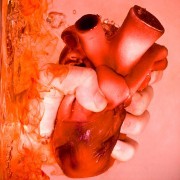 Cardiac Tamponade: An Overview