



Improved
6139 HealthChanged
3797 LivesSaved
3584 Lives0 lives impacted in the last 24 hrs Learn More
There is no treatment to cure cerebral palsy. The brain damage cannot be corrected. Therapy aims to help the child reach his full potential. Children with CP grow to adulthood and may be able to work and live independently.
Drugs help control muscle spasms and seizures.
Certain operations may improve the ability to sit, stand, and walk.
Braces and splints help keep limbs in correct alignment and prevent deformities. Positioning devices enable better posture. Walkers , special scooters, and wheelchairs make it easier to move about.
Programs designed to meet the child's special needs may improve learning. Some children do well attending regular schools with special services. Vocational training can help prepare young adults for jobs.
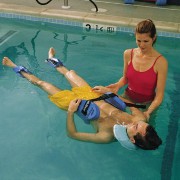
Speech, physical, and occupational therapies may improve the ability to speak, move, walk, and perform activities of daily living. Physical therapy helps strengthen muscles. Children can learn different ways to complete difficult tasks.
Professional support helps a patient and family cope with cerebral palsy. Counselors help parents learn how to modify behaviors. Caring for a child with cerebral palsy can be very stressful. Some families find support groups helpful.
Therapeutic electrical stimulation might help.
Please be aware that this information is provided to supplement the care provided by your physician. It is neither intended nor implied to be a substitute for professional medical advice. CALL YOUR HEALTHCARE PROVIDER IMMEDIATELY IF YOU THINK YOU MAY HAVE A MEDICAL EMERGENCY. Always seek the advice of your physician or other qualified health provider prior to starting any new treatment or with any questions you may have regarding a medical condition. Copyright © 2026 EBSCO Publishing All rights reserved.