


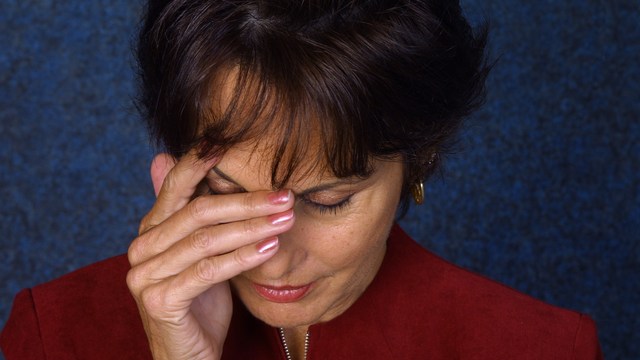
 Depression And Thoughts of Suicide: Helping Those Who Struggle







Improved
6139 HealthChanged
3797 LivesSaved
3584 Lives0 lives impacted in the last 24 hrs Learn More
Depression can differ from person to person. Some people have only a few symptoms, while others have many.
Symptoms can change over time and may include:
There is no blood test or diagnostic test for depression. The doctor will ask about your symptoms and medical history, giving special attention to:
The doctor may also perform specific mental health exams. This will help get detailed information about your speech, thoughts, memory, and mood. A physical exam and other tests can help rule out other causes.
Please be aware that this information is provided to supplement the care provided by your physician. It is neither intended nor implied to be a substitute for professional medical advice. CALL YOUR HEALTHCARE PROVIDER IMMEDIATELY IF YOU THINK YOU MAY HAVE A MEDICAL EMERGENCY. Always seek the advice of your physician or other qualified health provider prior to starting any new treatment or with any questions you may have regarding a medical condition. Copyright © 2026 EBSCO Publishing All rights reserved.