It's FREE and you'll get a response within 24 hours
Inspire others to learn from your experiences. Tell your story!
Have a question? We're here to help. Ask the Community.
Receive the latest and greatest in women's health and wellness from EmpowHER - for free!
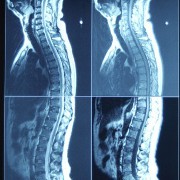
 Don’t Let a Slipped Disk Slip by Proper Medical Care