 Living With Rheumatoid Arthritis? Ways to Reduce the Pain






Improved
6139 HealthChanged
3797 LivesSaved
3584 Lives0 lives impacted in the last 24 hrs Learn More
There is no cure for RA. The goals of treatment are to:
There are a variety of medicines to treat the pain and inflammation of RA. In some cases, medicines may be used in combination.
Low-dose corticosteroids (eg, prednisone ) are often used first. They may be tapered when other drugs start working. Avoid long-term steroid use. Corticosteroid injections to inflamed joints may also be used.
Rest reduces active joint inflammation and pain and fights fatigue. Exercise is important for maintaining muscle strength and flexibility. It also preserves joint mobility.
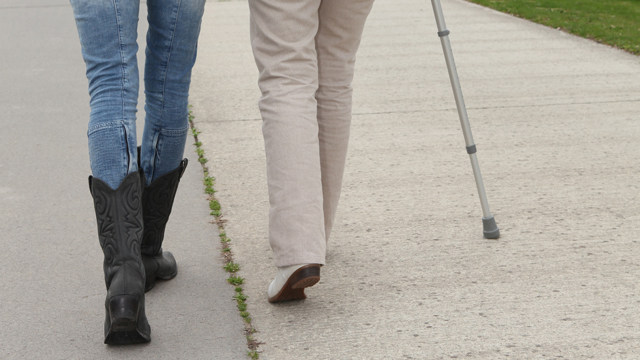
Splints applied to painful joints may reduce pain and swelling. Devices that help with daily activities can also reduce stress on joints. Devices include:
Stress reduction can ease the difficulties of living with a chronic, painful disease. Participating in an exercise program or joining a support group are two strategies you can use to reduce stress. Cognitive behavioral therapy , a form of talk therapy, and meditation may also offer benefits in reducing your pain and improving your ability to cope with RA.
Joint replacement and tendon reconstruction help relieve severe joint damage.
These may relieve stiffness and weakness and reduce inflammation:
Please be aware that this information is provided to supplement the care provided by your physician. It is neither intended nor implied to be a substitute for professional medical advice. CALL YOUR HEALTHCARE PROVIDER IMMEDIATELY IF YOU THINK YOU MAY HAVE A MEDICAL EMERGENCY. Always seek the advice of your physician or other qualified health provider prior to starting any new treatment or with any questions you may have regarding a medical condition. Copyright © 2026 EBSCO Publishing All rights reserved.