

Improved
6112 HealthChanged
3786 LivesSaved
3568 Lives0 lives impacted in the last 24 hrs Learn More
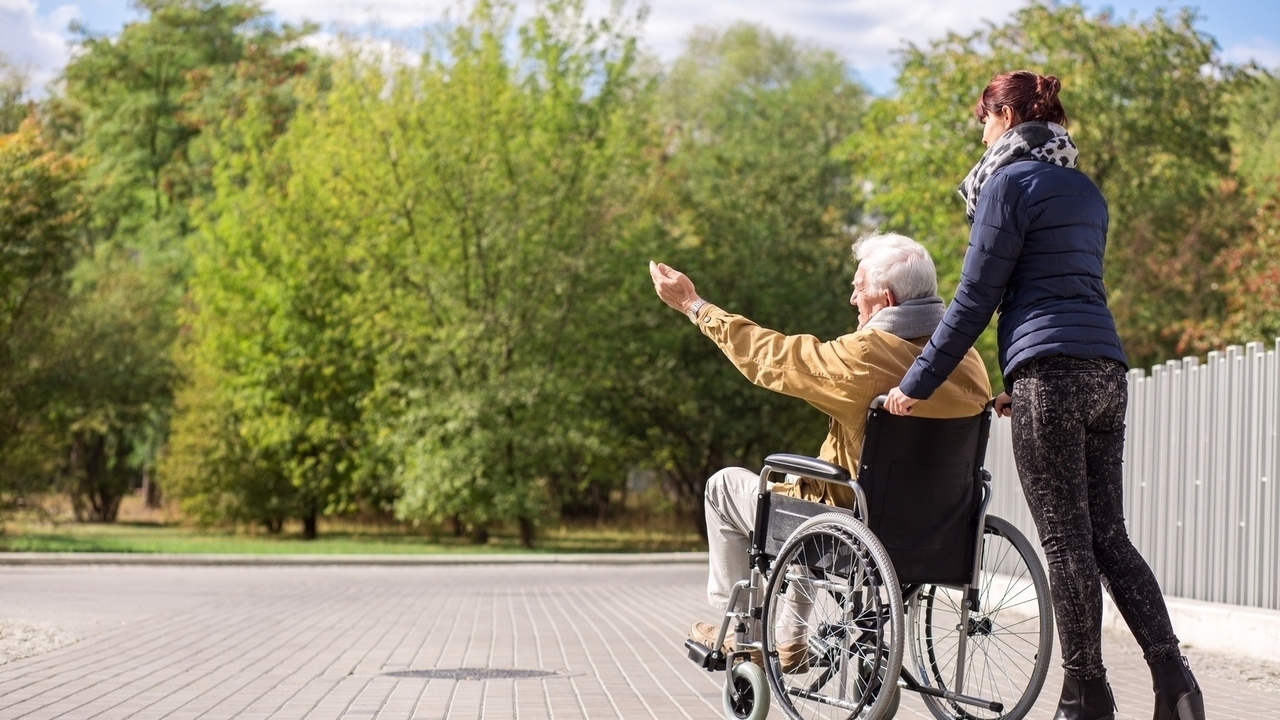
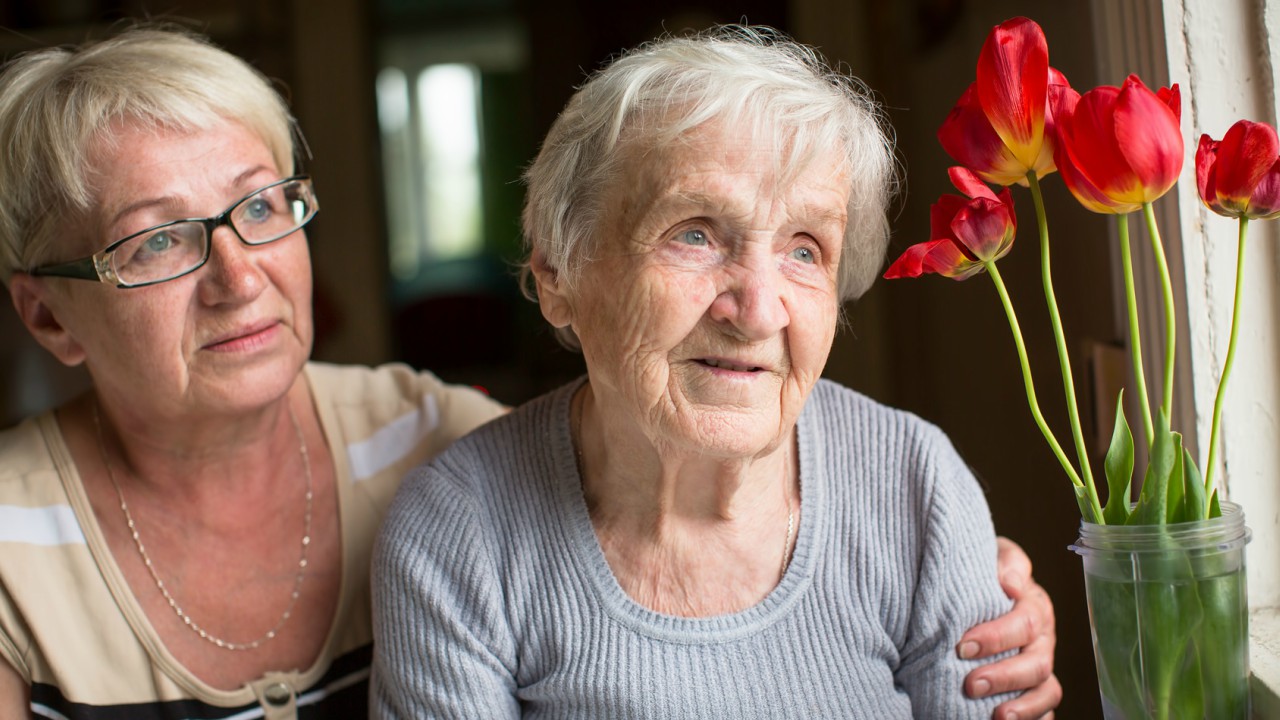
When caring for someone afflicted by Alzheimer’s disease in a home setting, caregivers must take a critical look at the living environment. Adapting the home to prevent accidents and ensure optimal safety for your loved ones is paramount.
It is sometimes necessary for a caregiver to place himself or herself in the position of the person suffering from Alzheimer’s to help anticipate possible concerns or dangers. Learn to continually adapt both the living environment and approaches to care as the stages progress.
Caregivers will find that such approaches will be dependent upon the person they are providing care for. The most important aspect of caregiving in a home is safety and security, for both the patient and the caregiver.
Minimizing risks and making a home safe for those suffering a steady decline in both cognitive and physical disabilities are also major steps toward ensuring security and protection of a loved one suffering from Alzheimer’s, as well as providing a safe environment for all those involved in care.
In the long run, adapting the home environment is much easier than trying to adapt to behaviors that may be exhibited by a loved one in various stages of the condition. Making necessary changes within the home environment may not only decrease physical hazards, but also reduce the amount of stress that is placed upon both the caregiver and the patient. Anticipating such risks and hazards goes a long way toward helping caregivers prevent potential injuries and accidents.
Add a Comment2 Comments
No one wants to ever go to a nursing home. I support the philosophy of aging in place, but understand personally how difficult it is in these days of the sandwich generation. I am the "meat" in a family sandwich as well. Your tips are timely, but I suggest that caregivers make sure they have ready access to pertinent personal medical information and have created an "emergency call" network and plan for when things go wrong and they will
http://www.eyehealthguide.net/narrow-angle-glaucoma.html
February 3, 2011 - 3:24amThis Comment
You are absolutely correct that families have a network and plan in place. Aging with Grace works one on one with families to determine their immediate needs and help them plan for the future.
February 3, 2011 - 8:38amFor many elderly people aging in place is a wonderful option,however if they do not have a strong social network in close proximity, than assisted living or some other form of senior housing is needed to provide that safety network.
This Comment