



Improved
6112 HealthChanged
3786 LivesSaved
3568 Lives0 lives impacted in the last 24 hrs Learn More
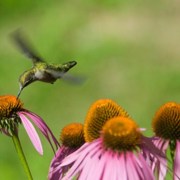 Photo: Getty Images
In a previous article I discussed using essential oils to help heal inflamed and receding gums and prevent tooth decay. Herbal preparations, diet and supplementation can also help.
Vitamin Supplementation
Recent research has found that people with gum problems sometimes have underlying disease processes going on and that gum disease can be a sign of more serious conditions, such as heart disease, stroke, diabetes and respiratory illnesses.
Supplementation with vitamins may help to support your body in its normal functions. Thomas Bartram, from the National Institute of Medical Herbalists, suggests 1-2g of vitamin C, 60mgs of vitamin Q10, 200 IUs of vitamin E, 50mcg of selenium and 15mgs of zinc daily. These nutrients all encourage the health of teeth and gums.
Diet
Avoid processed and spicy foods. Avoid sugar. Fruit juices also contain sugar so you may wish to reduce consumption of these. Water is best as it cleans and rehydrates the gums.
Some dental disease is caused by lack of vitamin C so in addition to supplementation, you should choose foods that are naturally high in vitamin C. Some examples of vegetables are sweet potatoes, red bell peppers, broccoli and kale.
Drinking bilberry tea daily may help reduce inflammation as the berry has anti-inflammatory properties and has traditionally been used to treat gum disease.
Hygiene
Teeth should be brushed at least twice a day. You can also brush your tongue with your toothbrush as there is bacteria on that too so brushing your tongue will get rid of more of the plaque. Choose a soft bristle toothbrush so that you don’t damage your gums.
You can also brush your teeth with aloe vera juice or rub the gel into your gums. The aloe vera plant has been shown to be helpful in treating inflamed gums and firming up loose teeth.
Herbal Mouthwash
Add one drop of tea tree oil to a cup of warm water to make disinfectant mouthwash. Clean your mouth out with this at each brushing but don’t swallow it. Essential oils are not meant to be taken internally. Don’t do this with children, who may accidental swallow the mouthwash.
Other herbs that can be used to make mouthwash are:
Echinacea drops (the instructions will be on the bottle or you can buy ready made echinacea mouthwash from herbal outlets)
Goldenseal and Myrrh – 5 to 10 drops in water three times daily
Marjoram, chamomile and garden sage – add one teaspoon of each to a cup of boiling water. Allow it to sit for 15 minutes and then strain off the herbs and wash your mouth with the remaining water.
Contraindications
Do not use Echinacea if you have MS.
Do not combine enchinacea with fruit juice – allergic reactions have occurred.
If you are having chemotherapy, enchinacea may possibly counteract it.
If pregnant use low doses of enchinacea, or children’s strength preparations. All the other herbs mentioned in this article are NOT suitable for use in pregnancy, except for bilberry. Bilberry has no known contraindications.
Do not take aloe vera juice if diabetic.
Please be aware that some herbs may interfere with any medication you may be taking, so check with your doctor to make sure that they won’t interact.
Sources:
Bartram’s Encyclopaedia of Herbal Medicine, Robinson Publishers, 1998. P. 199. ISBN: 1-85487-586-8.
Mouth-Body Connection, American Academy of Periodontology. Web. 7 December 2011.
http://www.perio.org/consumer/mbc.top2.htm
Taking Care of Your Teeth, Colegate. Web. 7 December 2011. http://www.colgate.com/app/CP/US/EN/OC/Information/Articles/Oral-and-Dental-
Health-Basics/Oral-Hygiene/Oral-Hygiene-Basics/article/Taking-Care-of-Your-Teeth.cvsp
Enchinacea Contraindications, Herbs Hands Healing. Web. 7 December 2011. http://www.herbs-hands-healing.co.uk/contraindications/Echinacea.html
Bilberry, Salisbury Edu (Nursing). Web. 7 December 2011. http://www.salisbury.edu/nursing/herbalremedies/Bilberry.htm
Tea Tree Oil, Salisbury Edu (Nursing). Web. 7 December 2011. http://www.salisbury.edu/nursing/herbalremedies/tea_tree_oil.htm
Aloe Vera Side Effects, Caution and Contraindications, All 4 Natural Health. Web. 7 December 2011.
http://www.all4naturalhealth.com/aloe-vera-side-effects.html
Joanna is a freelance health writer for The Mother magazine and Suite 101 with a column on infertility, http://infertility.suite101.com/. She is author of the book, 'Breast Milk: A Natural Immunisation,' and co-author of an educational resource on disabled parenting.
Reviewed December 7, 2011
by Michele Blacksberg RN
Edited by Jody Smith
Add a CommentComments
There are no comments yet. Be the first one and get the conversation started!