




Improved
6112 HealthChanged
3786 LivesSaved
3568 Lives0 lives impacted in the last 24 hrs Learn More
November is Diabetes Awareness Month. This seems like a good time to clear up some misunderstandings about type 1 diabetes.
Type 1 diabetes is sometimes confused with type 2 diabetes. But these are actually very different conditions.
Type 1 diabetes used to be known as juvenile diabetes. It was called juvenile diabetes because it usually emerges in childhood or during the teen years. According to Kidshealth.org, 13,000 children in the United States are found to have type 1 diabetes every year.
Type 1 diabetes is a disease surrounded with many unanswered questions. We don't know what causes it, though there is speculation that it may be an autoimmune condition, and it seems to have a tendency to run in families which suggests a genetic factor. There is no known cure.
For whatever the reason, the body of a diabetic targets insulin-manufacturing cells in the pancreas. When these cells have been attacked, their ability to produce insulin is destroyed.
Since insulin is essential to lower blood sugar, people with type 1 diabetes need to take insulin regularly, usually via injection, requiring anywhere from one to four injections per day. Sometimes an insulin pump is used rather than injections.
Diabetes adversely affects the body's ability to metabolize the glucose in our food. When blood glucose levels rise after you eat, your pancreas is supposed to make insulin, and send it off into your bloodstream.
But in type 1 diabetes, insulin either isn't being manufactured, or the body doesn't react to its presence in a healthy way, and blood sugar levels remain too high.
The person with type 1 diabetes may need to urinate more often than usual. This is because the kidneys are trying to excrete extra glucose from the bloodstream through the urine. Consequently, the person with type 1 diabetes gets thirsty more often than the average person.
Since glucose is not available from the bloodstream for nourishing the body, the person with type 1 diabetes may eat plenty of food with a good appetite, but may have trouble keeping on weight. The body is busy consuming its own muscle and fat. This malnourishment can leave the type 1 diabetes sufferer prone to exhaustion and fatigue.
Other possible symptoms of type 1 diabetes are similar to symptoms resulting from high blood sugar. Some of these are blurry eyesight, and numbness or tingling in the feet. Deep, quick breathing, dry skin and a flushed face may occur. The breath may have a fruity scent. Stomach upset and pain can happen, as well as vomiting or nausea.
When blood sugar is lower than normal (below 70 mg/dL) the person with type 1 diabetes may sweat or shake. They may have heart palpitation or headache. Weakness is common.
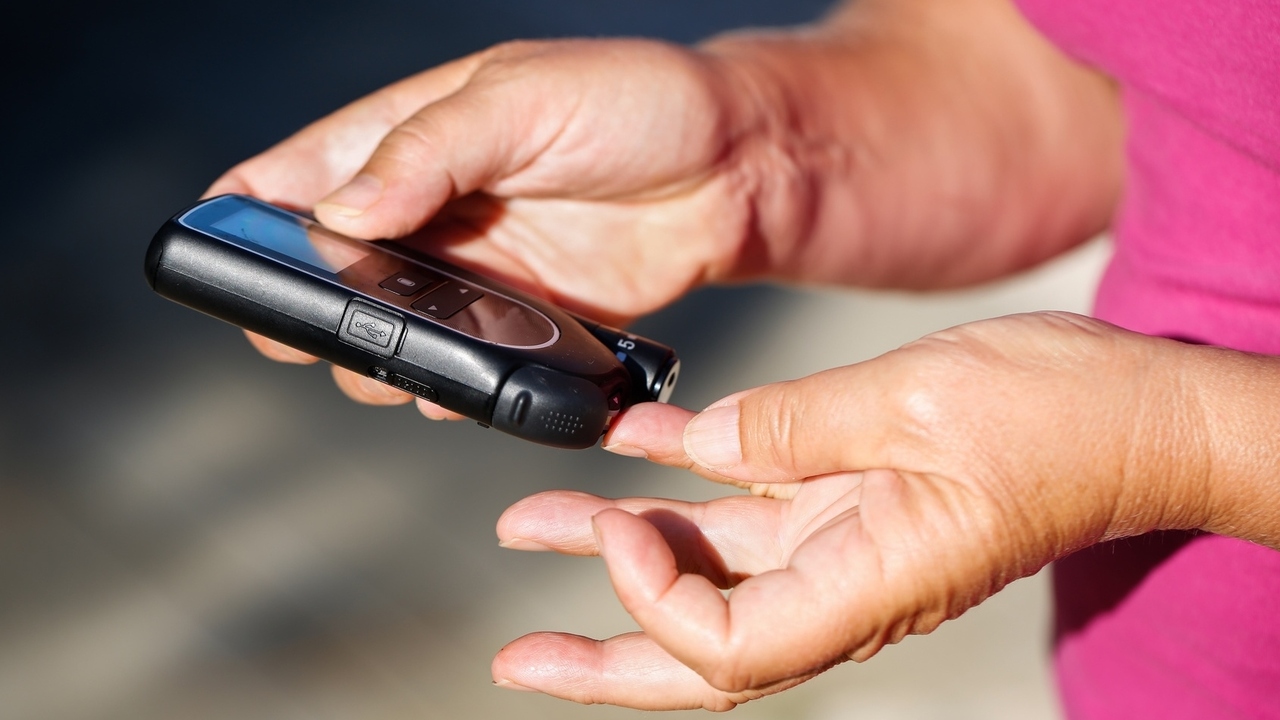
Type 1 diabetes is a serious condition that will remain for the rest of the diabetic's life. It's important to remember that symptoms can be controlled, through daily monitoring of blood sugar levels.
Sources:
Wanted: A new name for Type 1 diabetes. Theglobeandmail.com. Updated March 16, 2011. Retrieved Nov. 7, 2011.
http://www.theglobeandmail.com/life/health/wanted-a-new-name-for-type-1-...
Type 1 diabetes. Nlm.nih.gov. Updated June 28, 2011. Retrieved Nov. 7, 2011.
http://www.nlm.nih.gov/medlineplus/ency/article/000305.htm
Type 1 Diabetes: What Is It? Kidshealth.org. Retrieved Nov. 7, 2011.
http://kidshealth.org/parent/medical/endocrine/type1.html
Visit Jody's website and blog at http://www.ncubator.ca and http://ncubator.ca/blogger
Reviewed November 8, 2011
by Michele Blacksberg RN
Add a CommentComments
There are no comments yet. Be the first one and get the conversation started!