
Improved
6139 HealthChanged
3797 LivesSaved
3584 Lives0 lives impacted in the last 24 hrs Learn More
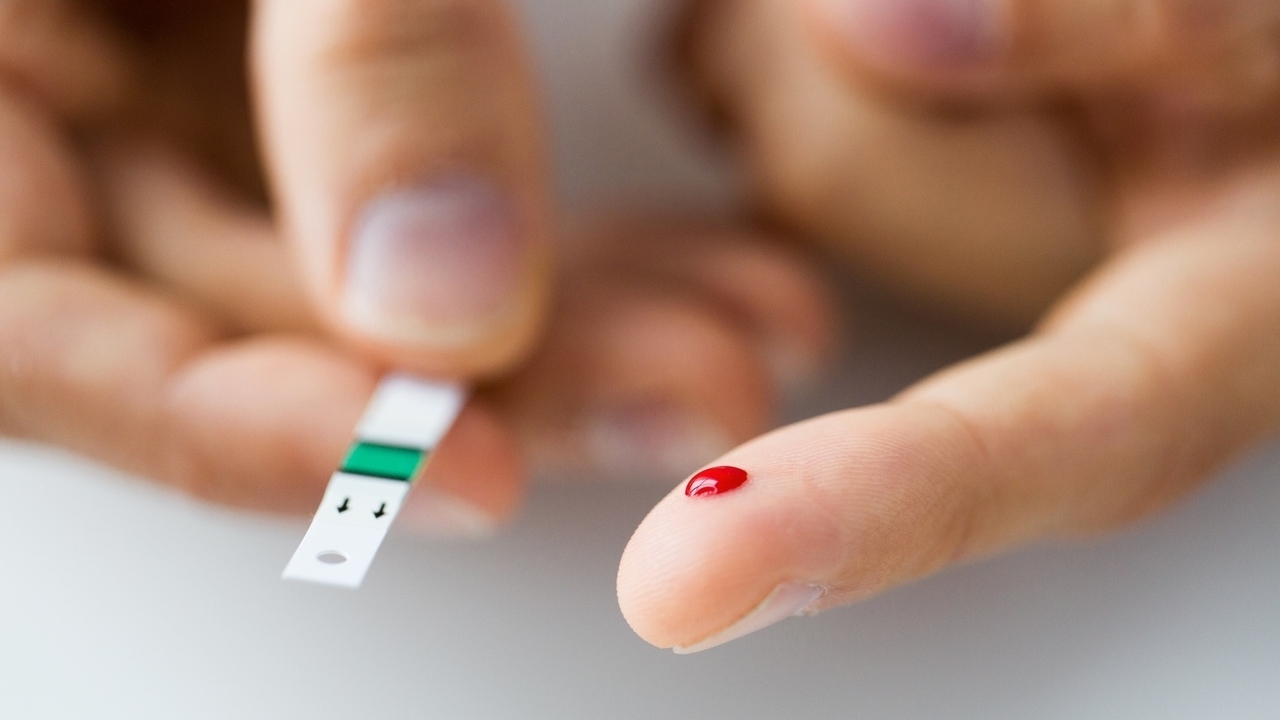
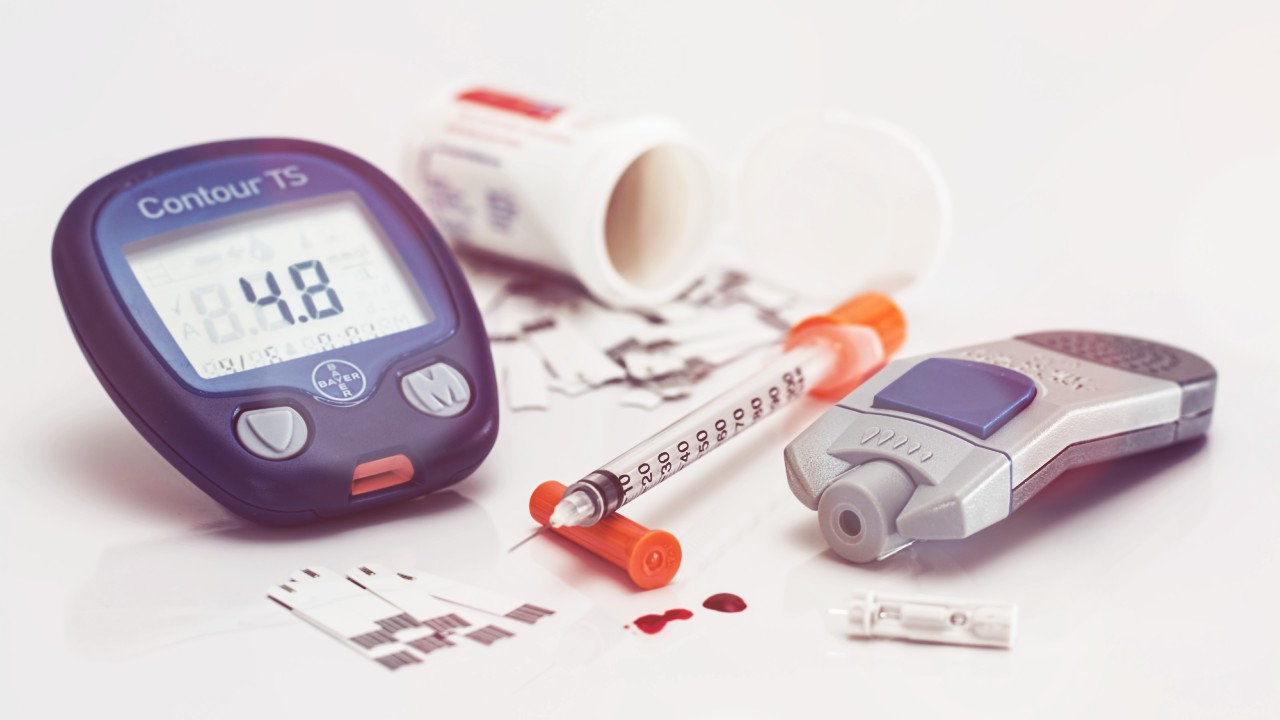
When someone doesn’t control their blood sugar well for years, the high levels of glucose in the blood cause damage to the blood vessels in the body. This is the reason that diabetes is a risk factor for heart disease. Since the smallest blood vessels in the body are found in the eyes, high blood sugar levels over the course of years is also the reason that diabetics have eye problems. I have had patients say to me "I was doing so well and all of a sudden I started getting all of these eye problems." Well-controlled blood sugars tend to remain between 80-100 before eating a meal. If someone has been diagnosed with diabetes and keeps their blood sugars around 120 to 140 fasting complications will develop over the course of years.
Retinopathy is the term that is used for problems in the eyes, specifically the retina of the eye that is created because of complications from high glucose levels. The retina is the light sensitive tissue in the back of the eyes that serve as the area that receives the pictures from the outside world before transmitting it to the brain. The retina is full of blood vessels. The two types of retinopathy can occur in the eye are non-proliferative and proliferative retinopathy. Nonproliferative retinopathy occurs because the capillaries in the back of the eye get enlarged and begin to leak fluid that is not supposed to be in the eyes. This extra fluid causes another part of the eye called the macula to swell, causing blurred vision. This swelling causes macular edema which if not treated causes vision loss.
Proliferative retinopathy is a much more serious condition where the blood vessels are so damaged they close off. The body's response is to create new blood vessels to provide nutrients and oxygen to the tissues. The new blood vessels are weak and can easily leak red blood cells into the eyes. The repair of the blood vessels cause scarring and as the scarring heals it can pull the retina out of place. This is called retinal detachment, and it can lead to permanent vision loss.
My first recommendation for retinopathy focuses on consistent eye exams since often there are no obvious symptoms in the early stages of retinopathy. The next step for treatment is keeping blood sugars well controlled once you have been diagnosed with high blood sugars. This means eating a whole foods diet, moderate exercise, stress management and relaxation as part of a healthy lifestyle.
Live Vibrantly,
Dr. Dae
Dr. Dae's website: www.healthydaes.com
Dr. Dae's book: Daelicious! Recipes for Vibrant Living can be purchased @ www.healthydaes.com
Dr. Dae's Bio:
“Dr. Dae" (pronounced Dr. Day) Daemon Jones is a Naturopathic Physician who completed her training at the University of Bridgeport College of Naturopathic Medicine. She is certified as a General Practitioner by the North American Board of Naturopathic Examiners (NABNE). Dr. Dae provides tailored treatment to meet the unique needs of every individual she sees in her practice. She also provides specialized support for persons challenged by nutritional deficiencies, weight problems, hormonal and reproductive system disorders, attention deficit disorder and those experiencing chronic diseases. Dr. Dae is an adjunct faculty member for Smith Farm Center for Healing and the Arts. She is the author of Daelicious! Recipes for Vibrant Living. Dr. Dae is a featured chef with www.myfoodmyhealth.com. Dr. Dae is a regularly featured writer for the Elite GoogleNews Website empowher.com where she shares her personal and professional vision for living whole and living well. To learn more about Dr. Dae, her products and services, please visit her on the Web at www.Healthydaes.com.
Add a CommentComments
There are no comments yet. Be the first one and get the conversation started!