



Improved
6112 HealthChanged
3786 LivesSaved
3568 Lives0 lives impacted in the last 24 hrs Learn More
Diverticulosis is a common age-related disease of the intestinal tract. It is occurs equally in men and women after the age of 60 years. Small sacs or pouches develop in the lining of the intestines, most commonly in the lower portion of the large intestine called the sigmoid colon. These sacs are called diverticula and develop in the naturally weak areas of the colon that are under pressure. The incidence of diverticulosis is higher in developed and industrialized countries where the population generally consumes a low fiber and high fat diet. The incidence of diverticular disease increased in the United States during the early 1900s when processed foods became more available and part of the American diet.
Diverticulosis is caused by chronic pressure on the lining of the colon. It is believed that straining with a bowel movement or chronic constipation contributes to the development of diverticula.
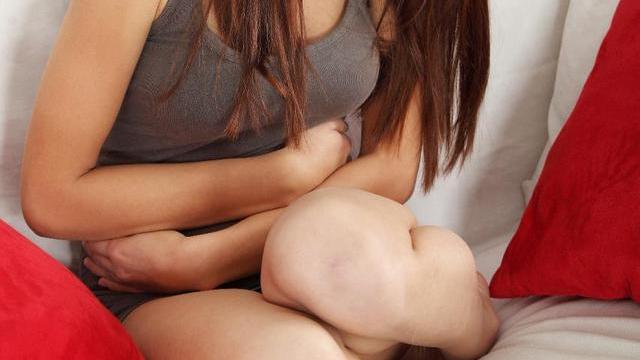
A person can have diverticula and never have any symptoms. However, some individuals with diverticulosis may experience bloating, gas, nausea, and constipation alternating with diarrhea. Abdominal tenderness, especially in the lower abdomen may be felt. When the diverticula become inflamed diverticulitis results and severe abdominal pain is a symptom. The left sided abdominal pain can occur suddenly or come on gradually and increase in intensity over several days. If the diverticula do not become inflamed, their presence can go undetected. Diverticulosis is generally diagnosis during a colonoscopy for colon cancer screening or to evaluate the complaint of abdominal discomfort.
Treatment for diverticulosis includes change in diet, increased exercise, and supplemental fiber. Dietary fiber softens stools and makes the passage of fecal matter through the intestines easier. This reduces straining and decreases the amount of pressure on the walls of the colon. A daily consumption of 20 to 35 grams of fiber is recommended. Drinking six to eight glasses of water each day helps to prevent constipation. Though the reason is unclear, a lack of exercise increases the risk of developing diverticula.If necessary, a physician may recommend a supplemental fiber product such as psyllium (Metamucil) or methylcellulose (Citrucel).
Article sources: www.digestive.niddk.nih.gov
www.gi.org
Maryann Gromisch is a registered nurse with clinical experience in medical, surgical. and critical care nursing. She has experience assisting a gastroenterologist in a private practice setting.
Add a Comment1 Comments
my mother has been diagonis with diverticulitis and diverticolis as well but there are no recipe books or self help groups or society
February 2, 2011 - 12:26pmplease could put me in contact with someone. lisa
This Comment