


Improved
6112 HealthChanged
3786 LivesSaved
3568 Lives0 lives impacted in the last 24 hrs Learn More
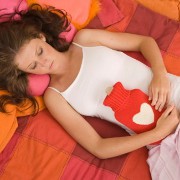 Photo: Getty Images
Endometriosis is a painful condition resulting from the growth of endometrium (tissue lining the uterus) in other areas of a woman's body. Endometriosis can involve the fallopian tubes, the pelvic cavity and the ovaries. It can also appear in or on the bladder, bowel, cervix, rectum, vagina or vulva.
There is at present no cure for endometriosis. Treatment is primarily focused on pain relief.
According to the July 2010 issue of Obstetrics & Gynecology, from the American College of Obstetricians and Gynecologists, nonsurgical treatment should be the first line of defense against pain from endometriosis. This information was taken from an updated Practice Bulletin, "Management of Endometriosis" which contains recommendations concerning endometriosis.
Tommaso Falcone, MD, leader of the document update, suggested starting with oral contraceptives and nonsteroidal anti-inflammatory drugs (NSAIDs). NSAIDs like aspirin, ibuprofen and naproxen, are analgesics which relieve pain from swelling.
If these drugs don't sufficiently relieve pain, he advised using gonadotropin-releasing hormone (GnRH) agonists or progestins. GnRH agonists cause female hormone levels to decrease which disrupts a woman's menstrual cycle and eases her pain.
Progestins stop ovulation and decrease the risk of endometriosis. This happens because progestins contain a reproductive hormone used in ovulation, called luteinizing hormone (LH).
These treatments are not advised for women who wish to become pregnant since the drugs suppress ovulation.
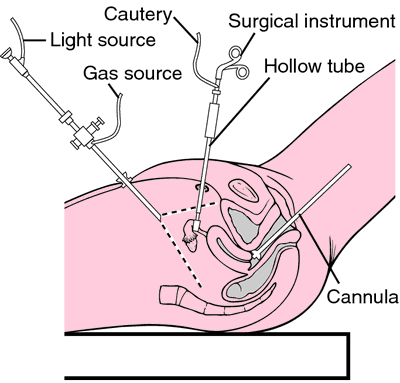
Hysterectomy is held in reserve as a last resort. Laparoscopic surgery uses lasers, heat or a knife to excise small amounts of endometrial tissue. An operation on a larger scale is a laparotomy which extracts tissue from the abdomen.
If a woman is not interested in having children, and if lesser treatments have not relieved her pain, her uterus may be removed. If however her ovaries are healthy and she sees children in her future, and if all the errant tissue is removed, she may be able to keep her ovaries.
This would allow for child-bearing, and would also prevent sudden-onset menopause. The effects of surgical menopause (removal of the uterus, fallopian tubes and the ovaries) may be softened by estrogen therapy.
Women with mild to moderate symptoms who want to try other treatments will find a number of options open to them. Many women have found relief from pain through acupuncture, meditation and immune system therapy.
Making lifestyle changes can be beneficial, focusing on getting sufficient sleep, exercising and eating a healthy diet. Making use of a heating pad and a hot bath can also be quite soothing.
Resources:
Pain Management of Endometriosis: Conservative Approach Is First-Line Treatment
http://www.medicalnewstoday.com/articles/192654.php
Endometriosis Pain Management
http://www.endometriosispaintreatment.com/endometriosis_pain_treatment/pain_management.htm
Gonadotrophin-releasing hormone analogues for pain associated with endometriosis
http://onlinelibrary.wiley.com/o/cochrane/clsysrev/articles/CD008475/frame.html
Endometriosis: Frequently Asked Questions
http://www.womenshealth.gov/faq/endometriosis.cfm
Visit Jody's website and blog at http://www.ncubator.ca and http://ncubator.ca/blogger
Add a Comment1 Comments
I think you forgot to mention how well medicial mary jane works for endometriosis. It also helps stimulate the appetite.
February 27, 2011 - 4:08amAlso, I was told by my doctor that a hysterectomy wouldn't stop the cells from growing on my instestines. She was quite adamant about that.
I hate that this issue is always discussed in a child rearing way. Not every woman wants to have kids, sure, but what is that the issue here? Why isn't the physical pain enough?
Why isn't there a cure? Oh because men don't get endometriosis. There will never be a cure and no one cares because it does not inflict itself upon the male species.
This Comment