


Improved
6112 HealthChanged
3786 LivesSaved
3568 Lives0 lives impacted in the last 24 hrs Learn More
Glaucoma is a condition of the eye caused by increased pressure (intraocular pressure) in the eye. It can occur in one or both eyes and people may or may not experience symptoms.
People who are born with collagen-based diseases are more likely to experience eye disorders like glaucoma. There are two types of glaucoma, open angle glaucoma and closed angle glaucoma. Open angle glaucoma is gradual open and persistent loss of peripheral vision and in the advanced stage tunnel vision. Closed angle glaucoma has very different symptom eye pain sometimes with accompanying nausea and vomiting. Reddening of the eyes, blurry vision, halos around the eyes and sudden visual disturbances.
Acute glaucoma is medical emergency and you need to see an ophthalmologist immediately. It is important to get consistent eye exams especially after the age of 60 years old because even if symptoms are not apparent, damage is possible.
The keys for successful treatment for either open angle and closed angle glaucoma is to reduce intraocular pressure and improve the collagen metabolism within the eye. The changes that help to lower the intraocular pressure are lifestyle adjustments. Recommended foods include fruits and vegetables that are high in antioxidants, especially vitamin C and flavonoids, and cold-water fish that have high content of omega 3 fatty acids. Vitamin C is one of the building blocks for collagen and eating foods and/or taking supplements with vitamins C support appropriate collagen formation in the eyes. Flavoids enhance the vitamin C ability to create collagen and capillary integrity and reduce free radical damage. Omega 3 fatty acids can also support lowering of lower intraocular pressure.
Supplementation can be helpful too. One of the most important supplements to help reduce intraocular pressure is magnesium. Magnesium helps create relaxation in the arteries of the eyes. Foods high in magnesium include bananas, dried apricots, avocados, almonds, cashews, peas, beans, green leafy vegetables.
Live Vibrantly,
Dr. Dae
Dr. Dae's website: www.healthydaes.com
Dr. Dae's book: Daelicious! Recipes for Vibrant Living can be purchased @ www.healthydaes.com
Dr. Dae's Bio:
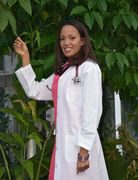
“Dr. Dae" (pronounced Dr. Day) Daemon Jones is a Naturopathic Physician who completed her training at the University of Bridgeport College of Naturopathic Medicine. She is certified as a General Practitioner by the North American Board of Naturopathic Examiners (NABNE). Dr. Dae provides tailored treatment to meet the unique needs of every individual she sees in her practice. She also provides specialized support for persons challenged by nutritional deficiencies, weight problems, hormonal and reproductive system disorders, attention deficit disorder and those experiencing chronic diseases. Dr. Dae is an adjunct faculty member for Smith Farm Center for Healing and the Arts. She is the author of Daelicious! Recipes for Vibrant Living. Dr. Dae is a featured chef with www.myfoodmyhealth.com. Dr. Dae is a regularly featured writer for the Elite GoogleNews Website empowher.com where she shares her personal and professional vision for living whole and living well. To learn more about Dr. Dae, her products and services, please visit her on the Web at www.Healthydaes.com.
Add a Comment1 Comments
Great article it was very helpful for me. There is many informations here. http://stop-glaucoma.info
November 4, 2010 - 6:32amThis Comment