




Improved
6112 HealthChanged
3786 LivesSaved
3568 Lives0 lives impacted in the last 24 hrs Learn More
 Photo: Getty Images
The good news is, most patients recover from Guillain Barre syndrome (GBS). This is exceptional in the world of autoimmune disease. Similar conditions such as multiple sclerosis can be managed successfully, but never go away. GBS is often serious, requiring hospitalization and mechanical ventilation in some cases, but it is seldom permanent.
Flu season is the time GBS usually reaches the news. In 1976-77, flu shots caused a statistically significant increase in GBS cases. Since that time, researchers have been monitoring flu shots and have not found an increased risk. However, the flu itself, as well as other respiratory and gastrointestinal infections, can trigger GBS.
A recent review identifies six types or variants:
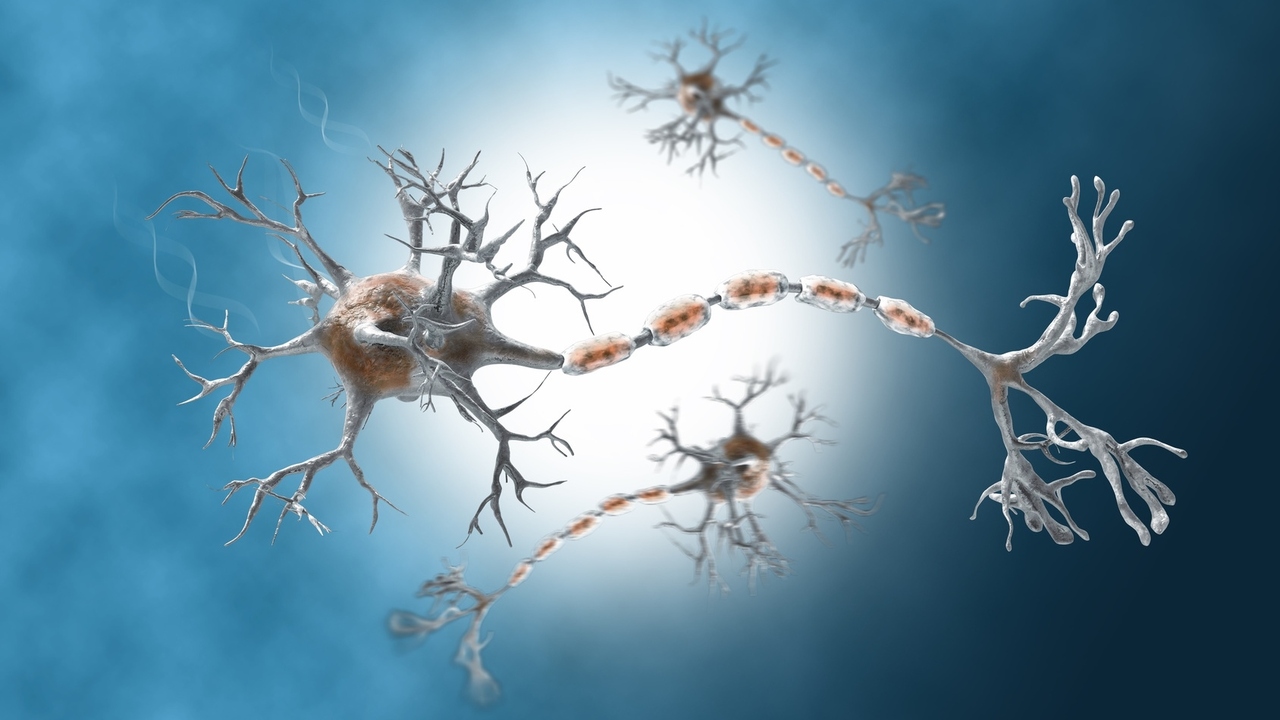
1. Acute Inflammatory Demyelinating Polyradiculoneuropathy (AIDP). The most common type, accounting for 85 percent of cases. It is characterized by inflammatory demyelination and secondary axonal damage of the peripheral nerves, causing weakness and possible paralysis. Patients generally notice weakness first in the legs, then in the arms and face. The maximum progression time is four weeks.
2. Acute Motor-Sensory Axonal Neuropathy (AMSAN). Both motor and sensory nerves are affected, and the prognosis is worse than for AIDP.
3. Acute Motor Axonal Neuropathy (AMAN). This type includes the most severe respiratory symptoms.
4. Miller-Fisher Variant. Characterized by difficulty in eye movements.
5. Pharyngeal-Cervical-Brachial Variant. Mimics botulism and diphtheria.
6. Acute Pandysautonomia. Includes widespread sympathetic and parasympathetic failure.
There are three phases of the syndrome:
1. Initial phase, lasting one to three weeks. During this time, symptoms appear and increase.
2. Plateau phase, lasting several days to two weeks.
3. Recovery phase, usually four to six months, but up to two years in severe cases. Recovery is not always complete.
There is no cure, but treatments may speed the recovery. Plasmapheresis, also called plasma exchange, is a procedure to remove immune complexes and possible autoantibodies from the blood. It has significant side effects, but has been effective in clinical trials. Intravenous immunoglobulin may be as effective with fewer side effects. Corticosteroids have not been effective.
So far, Guillain Barre syndrome has not been a major news item for the 2010-11 flu season. I hope it stays that way, but I encourage everyone to remember the possibility if symptoms develop. The GBS/CIDP Foundation offers more information online.
References:
1. Pithadia AB et al, “Guillain-Barre syndrome (GBS)”, Pharmacological Reports 2010; 62: 220-32.
2. More information online:
http://www.gbs-cidp.org/
Linda Fugate is a scientist and writer in Austin, Texas. She has a Ph.D. in Physics and an M.S. in Macromolecular Science and Engineering. Her background includes academic and industrial research in materials science. She currently writes song lyrics and health articles.
Add a CommentComments
There are no comments yet. Be the first one and get the conversation started!