




Improved
6112 HealthChanged
3786 LivesSaved
3568 Lives0 lives impacted in the last 24 hrs Learn More
 iStockphoto/Thinkstock
The National Cancer Institute estimated that in 2012, that 12,170 women will be diagnosed with new cases of cervical cancer in the United States. A slow growing cancer, cervical cancer may not cause symptoms.
The cancer can be found with a Pap smear, a test used during routine gynecological examinations in which cell samples are taken from the cervix and examined.
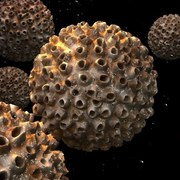
Almost all cervical cancer cases are caused by the human papillomavirus, or HPV, which is a sexually transmitted disease. About 70 percent of cervical cancer cases are caused by HPV types 16 and 18, according to the National Cancer Institute.
One way women can protect themselves from developing HPV-related cervical cancer is by getting the HPV vaccine. Two HPV vaccines are currently on the market -- Cervarix and Gardasil.
Cervarix, which is only approved for women, vaccinates against HPV types 16 and 18. Gardasil vaccinates against HPV types 16 and 18, as well as HPV types 6 and 11, which cause 90 percent of genital warts cases, noted the National Cancer Institute. Gardasil is approved for both women and men.
The Centers for Disease Control and Prevention stated that the HPV vaccines are most effective when given to individuals at age 11 or 12.
The purpose is to give the vaccine before the individual becomes sexually active and is at risk for coming into contact with the virus. But new research showed that the vaccine has benefits for women who have been diagnosed with pre-cancerous cervical conditions.
A press release from the British Medical Journal stated that “previous studies have shown that HPV vaccination does not reduce progression to cervical pre-cancers in women with ongoing infections at the time of vaccination.
However, no studies to date have looked at the impact of HPV vaccination in preventing subsequent disease after treatment for such pre-cancers. This new study aimed to see if the vaccine decreased the risk of developing subsequent disease after the first definitive treatment.”
This international study included 1,350 young women who resided in 24 developed and developing countries. The women were randomized into two groups and either received the HPV vaccine or a placebo.
Afterward, the participants were diagnosed with HPV-related diseases of the vagina or vulva, or they underwent cervical surgery. The press release noted that while more than 17,000 women took part in the clinical trials, this study only looked at the women who developed HPV-related disease.
The researchers found that women who had received the HPV vaccine had a reduced risk of 46.2 percent of developing further HPV-related disease. They also found a reduced risk of 64.9 percent of additional high grade cervical disease in women who received the vaccine.
For women who were treated for vulvar or vaginal disease, the risk of developing future HPV-related disease was 35.2 percent lower for those who received the vaccine. While the vaccine does not reduce disease progression, the results for this study suggested that the vaccine may reduce the risk of future HPV-related diseases.
Further research is needed, such as long-term surveillance of women who received the vaccination.
References
National Cancer Institute. HPV and Cancer. Web. 11 April 2012
http://www.cancer.gov/cancertopics/factsheet/risk/HPV
National Cancer Institute. Cervical Cancer Home Page. Web. 11 April 2012
http://www.cancer.gov/cancertopics/types/cervical
Centers for Disease Control and Prevention. Genital HPV Infection – Fact Sheet. Web. 11 April 2012
http://www.cdc.gov/STD/HPV/STDFact-HPV.htm
EurekAlert. Cervical Disease Sufferers Could Benefit from HPV Vaccine. Web. 11 April 2012
http://www.eurekalert.org/pub_releases/2012-03/bmj-cds032612.php
HealthDay. HPV Vaccine May Help Women with Cervical Conditions. Web. 11 April 2012
http://consumer.healthday.com/Article.asp?AID=663152
Reviewed April 11, 2012
by Michele Blacksberg RN
Edited by Jody Smith
Add a CommentComments
There are no comments yet. Be the first one and get the conversation started!