




Improved
6112 HealthChanged
3785 LivesSaved
3568 Lives0 lives impacted in the last 24 hrs Learn More
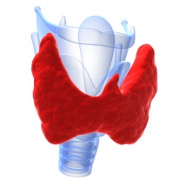 Photo: Getty Images
Hypothyroidism is a disorder where the thyroid gland doesn’t produce enough triiodothyronine (T3) and thyroxine (T4). These hormones are responsible for metabolism (the way your body breaks down food to use it for energy).
Symptoms
Symptoms of hypothyroidism include:
• Fatigue
• Depression
• Pale complexion
• Joint or muscular pain
• Thin hair
• Brittle fingernails
• Intolerance of cold temperatures
If the disorder is more severe and has not been treated it can also slow down your speech, affect your ability to taste and smell, thin your eyebrows and make your face, hands and feet swollen.
What Causes Hypothyroidism?
The most common cause is inflammation of the thyroid gland. Hashimoto’s thyroiditis is the most common example of this type of inflammation. It occurs when the immune system inappropriately attacks the thyroid gland.
Severe iodine deficiency can also cause hypothyrodism. The thyroid needs iodine to make thyroid hormones so if you’re lacking in it, the thyroid can’t make the required amount.
Other causes are radiotherapy (radiation fired at the neck can damage the thyroid gland) and radiation to the brain. Radioactive iodine or surgery used to treat hyperthyroidism may induce hypothyroidism. Certain medications used to treat depression, psychosis, or heart disease may also result in hypothyroidism.
Sometimes, hypothyroidism is caused by a virus. If this is the case, it may be temporary and you may not need further treatment. In children, hypothyroidism may be caused by a congenital defect, although this is very rare and occurs in only one in 4,000 children.
Hypothyroidism can also be caused by pregnancy.
Diagnosis
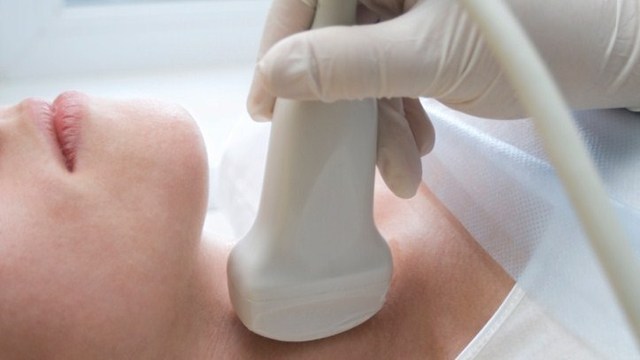
Your doctor will perform a physical examination to see if your thyroid gland is smaller than average. Occasionally it may be larger. He will also look at your complexion and the condition of your hair and nails and see if you have any swelling.
He will take blood to check for levels of T3 and T4 hormones and thyroid stimulating hormone (TSH). TSH is produced by your brain and tells your thyroid to produce T3 and T4.
Treatment
If your thyroid disease isn’t caused by a virus or the result of pregnancy, then you will need hormone replacement treatment for the rest of your life to provide you with the hormones your thyroid should have been producing, so you should carry on taking them even after you feel better.
According to as study in BBC Health News, hypothyroidism occurs in up to 8 percent of the population but is often undiagnosed as people mistake it for depression or signs of aging.
However, it can have serious side effects if left untreated, including myxedema coma that occurs because of low levels of hormones. This may require intensive care and can result in death.
Sources:
Hypothyroidism, PudMed Health. Web. 16 January 2012. http://www.ncbi.nlm.nih.gov/pubmedhealth/PMH0001393/
Hypothyroidism, Medicine Net. Web. 16 January 2012. http://www.medicinenet.com/hypothyroidism/page2.htm
100,000 older people missing thyroid treatment – study, BBC Health News, 24th January 2011.
http://www.bbc.co.uk/news/health-12252813
Hypothyroidism. Emedicine health. Web. 16 January 2012.
http://www.emedicinehealth.com/hypothyroidism-health/page2_em.htm
Joanna is a freelance health writer for The Mother magazine and Suite 101 with a column on infertility, http://infertility.suite101.com/. She is author of the book, 'Breast Milk: A Natural Immunisation,' and co-author of an educational resource on disabled parenting.
Reviewed January 18, 2012
by Michele Blacksberg RN
Edited by Jody Smith
Add a Comment1 Comments
Thank you for including great information on hypothyroidism at empowher.com. I was diagnosed with hypothyroidism following the birth of my first son in 2006 and experienced many of the symptoms you have listed. I trusted my doctors completely assuming they knew everything there was to know about this disease, especially when I became pregnant again in late 2008. How wrong I was! Under their care my TSH, the gold standard for measuring thyroid function, rose high above the safe range for pregnancy and I miscarried. I vowed to myself that I would research everything there was to know about hypothyroidism and warn other women. I fulfilled my vow and launched my blog Hypothyroid Mom in memory of the baby I lost to hypothyroidism.
October 21, 2012 - 5:45amThis Comment