




Improved
6112 HealthChanged
3785 LivesSaved
3568 Lives0 lives impacted in the last 24 hrs Learn More
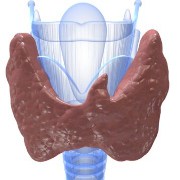 Photo: Getty Images
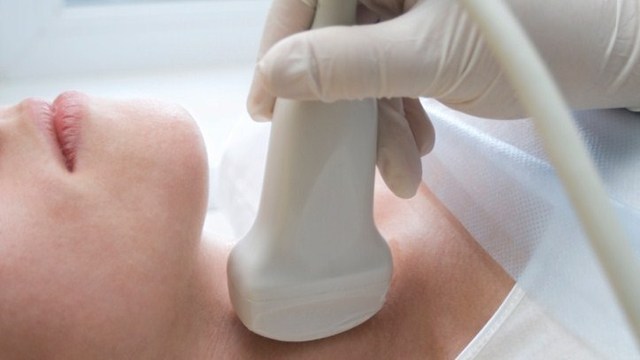
Hypothyroidism is the condition that results when the thyroid gland does not produce enough thyroid hormone. Thyroid hormone is a chemical messenger used by the brain to regulate metabolism, which is the way the body uses energy.
Subclinical hypothyroidism is a very mild type of hypothyroidism which does not produce the normal symptoms of hypothyroidism. Subclinical hypothyroidism shows in blood tests with normal levels of thyroxine, which is the main kind of thyroid hormone, but higher than normal levels of TSH or thyroid-stimulating hormone. This means the body is putting out more TSH than normal to get the thyroid gland to produce the needed amount of thyroxine.
Although subclinical hypothyroidism does not produce recognizable symptoms, it can have serious consequences if left untreated. An article published in JAMA, the Journal of the American Medical Association, reported that patients with subclinical hypothyroidism, especially those with higher levels of TSH (over 10mU/L) are at increased risk of coronary heart disease or heart failure.
Other studies show that people with subclinical hypothyroidism are twice as likely to develop congestive heart failure. This condition occurs when the heart is not able to pump enough blood to the other organs in the body. The results can be fatigue, swollen ankles, difficulty breathing, and eventual failure of the heart causing death. (American Thyroid Association)
Pregnant women who have subclinical hypothyroidism are also at higher risk for complications during their pregnancy. As in other patients with subclinical hypothyroidism, pregnant women often have no symptoms even though blood tests show abnormal thyroid hormone levels. These women may have a higher risk of miscarriage, pre-eclampsia (high blood pressure), and preterm delivery. Babies whose mothers have subclinical hypothyroidism are also at risk for developmental delays. (MedicineNet)
Subclinical hypothyroidism can generally be treated with a daily dose of the thyroid hormone thyroxine. Frequent blood tests may be needed to monitor thyroid hormone levels to achieve an appropriate balance to maintain a normal level of the hormone. Women who are pregnant will need careful monitoring to ensure thyroid supplements provide the appropriate amount of hormone for both mother and baby.
If you have questions or concerns about subclinical hypothyroidism, talk to your health care provider.
Sources:
Journal of the American Medical Association (JAMA). Subclinical Hypothyroidism. Ryszard m Pluta, MD, PhD. Web. December 12, 2011.
http://jama.ama-assn.org/content/304/12/1402.full.pdf
American Thyroid Association. Even Mild Thyroid Problems Double Risk of Heart Condition. Web. December 12, 2011.
http://www.thyroid.org/professionals/publications/news/07_10_04_bauer.html
JAMA. Subclinical Hypothyroidism and the Risk of Coronary Heart Disease and Mortality. Web. December 12, 2011.
http://jama.ama-assn.org/content/304/12/1365.abstract
PubMed Health. Interventions to reduce harm to women and their children from untreated low levels of thyroid hormone in pregnancy. Web. December 12, 2011.
http://www.ncbi.nlm.nih.gov/pubmedhealth/PMH0014599/
Medicine Net. Hypothyroidism During Pregnancy. Ruchi Mathur, MD, FRCP(C). Web. December 12, 2011.
http://www.medicinenet.com/hypothyroidism_during_pregnancy/page2.htm#4whatare
American Thyroid Association. ATA Hypothyroidism Booklet. Web. December 12, 2011.
http://www.thyroid.org/patients/brochures/Hypothyroidism%20_web_booklet.pdf
Reviewed December 13, 2011
by Michele Blacksberg RN
Edited by Jody Smith
Add a Comment1 Comments
Thank you for providing this article on hypothyroidism. The lack of awareness about this disease is pervasive in the public and medical community. I learned this the hard way. I was diagnosed with hypothyroidism following the birth of my first son in 2006 and experienced many of the symptoms you have listed. I trusted my doctors completely assuming they knew everything there was to know about this disease, especially when I became pregnant again in late 2008. How wrong I was! Under their care my TSH, the gold standard for measuring thyroid function, rose high above the safe range for pregnancy and I miscarried. I vowed to myself that I would research everything there was to know about hypothyroidism and warn other women. I fulfilled my vow and launched my blog Hypothyroidmom.com in memory of the baby I lost to hypothyroidism.
October 21, 2012 - 5:31amThis Comment