



Improved
6139 HealthChanged
3797 LivesSaved
3584 Lives0 lives impacted in the last 24 hrs Learn More
 Andres Rodriguez/PhotoSpin
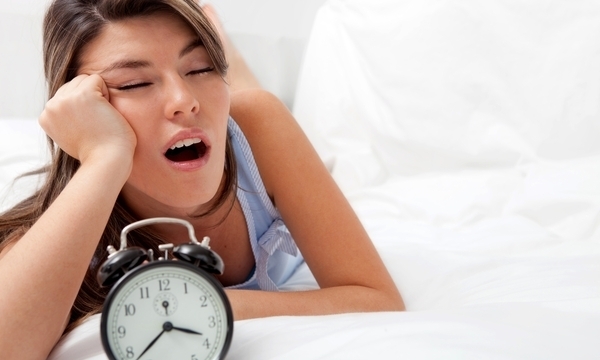
Insomnia is a problem impacting more than 60 percent of Americans according to the National Sleep Foundations 2011 report. Insomnia is defined as a disorder that makes it hard to fall asleep or stay asleep or both.
Difficulty sleeping is related to many factors including mental stresses like anxiety and depression, daily habits and behaviors, hormonal levels, medications and food choices.
The impact of poor sleep can exacerbate any existing health condition because during sleep, our bodies rejuvenate, restore and recover from our daily activities. If you body is already healing from another health condition, lack of proper sleep is actually acting as an additional stressor for the body. When we are sleep deprived over a period of several days to several weeks it can impact our well-being to varying degrees.
Examples of some symptoms of impaired sleep are irritability, tiredness, inability to tolerate stress, frequent infections, behavioral learning or social problems, increased blood pressure, inability to lose weight or alterations of appetite, decreased productivity, breathing disorders, etc.
According to the Mayo Clinic there are certain characteristics that predispose you to insomnia. More women than men suffer from insomnia due to hormonal shifts the body. These shifts can occur during the monthly cycle or as a women transitions from having her monthly cycle to menopause. The hormonal changes impacting sleep the most are night sweats and hot flashes.
As a side note, I have noticed that women experiencing adrenal fatigue or adrenal exhaustion can also suffer from night sweats that can impact their sleep cycle.
Stress is a common cause of sleep problems. Mental health conditions also have insomnia as one of the symptoms of their disease picture. Insomnia tends to increase with age so people over the age of 60 tend to have more bouts of insomnia.
One of the most common activities that seem to create sleep disruptions are pervasive communication and gadget use prior to going to bed. The artificial light interrupts our sleep cycle or sleep hygiene processes, especially within one hour of going to bed. People often use caffeine to help regulate their feelings of fatigue from sleep as well. This is an artificial way of addressing the problem.
Here are some tips for getting a better night's sleep
Live Vibrantly and Sleep well,
Sources:
http://www.mayoclinic.com/health/insomnia/DS00187
http://www.sleepfoundation.org/article/press-release/annual-sleep-america-poll-exploring-connections-communications-technology-use-
Live Vibrantly,
Dr. Dae's website: www.healthydaes.com
Dr. Dae's book: Daelicious! Recipes for Vibrant Living can be purchased @ www.healthydaes.com
Dr. Dae's Bio:
“Dr. Dae" (pronounced Dr. Day) Daemon Jones is a Naturopathic Physician who treats the whole person using safe and effective combinations of traditional and natural methods to produce optimal health and well-being in the lives of her patients.
Edited by Shannon Koehle
Add a CommentComments
There are no comments yet. Be the first one and get the conversation started!