




Improved
6112 HealthChanged
3786 LivesSaved
3568 Lives0 lives impacted in the last 24 hrs Learn More
Dr. Kogan explains how a doctor diagnosis renal failure (kidney failure).
Dr. Kogan:
Renal failure is usually a combination of both clinical diagnosis meaning that the person comes in to see their doctor and they are complaining of the symptoms that you and I just spoke about. They are either complaining of severe fatigue or weight loss or change in the urine appearance or the odor of their urine or the change, the odor of their sweat has changed, or they are feeling nauseous all of a sudden or having a change in the color of their skin.
There are so many different things that could flag renal failure. The bottom line is, if the patient feels different in any shape or form, they should alarm their doctor to that.
Renal failure can also be diagnosed by laboratory intervention. We can draw the person’s blood and check for something called BUN and creatinine. Now those two markers have to be perfectly balanced in a normal kidney. A normal kidney knows just the right amount of sodium and potassium to retain and to excrete, and when the kidney is sick, you will see those numbers become abnormal in the blood work.
So the sodium and potassium will be abnormal, the BUN and creatinine in the blood work will be abnormal. The urinalysis may demonstrate some abnormal cells in the urine. It may demonstrate the presence of blood cells in the urine and those are, you know, some of the important things we use for diagnostic purposes.
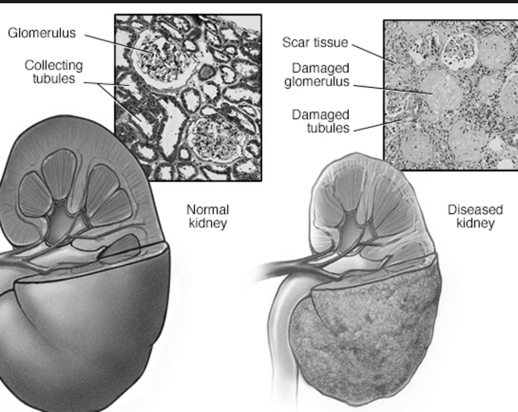
We can also use diagnostic ultrasound to look at the kidney anatomically and see if there is something that’s wrong with the way it’s shaped or perhaps there is an inflammatory process causing it to change form, or maybe there is a stone present inside the kidney causing an obstruction. There are many different things that we can start with to diagnosis kidney disease.
About Dr. Svetlana Kogan, M.D.:
Dr. Svetlana Kogan, M.D., is the Founder of Doctors at Trump Place (DTP). She is board certified in internal medicine and graduated from Cornell University. She is also a member of the American Medical Association, the American Anti-Aging Academy, and a clinical researcher and patient advocate. Dr. Kogan is affiliated with Lenox Hill Hospital.
Visit Dr. Kogan at Doctors at Trump Place