




Improved
6112 HealthChanged
3786 LivesSaved
3568 Lives0 lives impacted in the last 24 hrs Learn More
 Photo: Getty Images
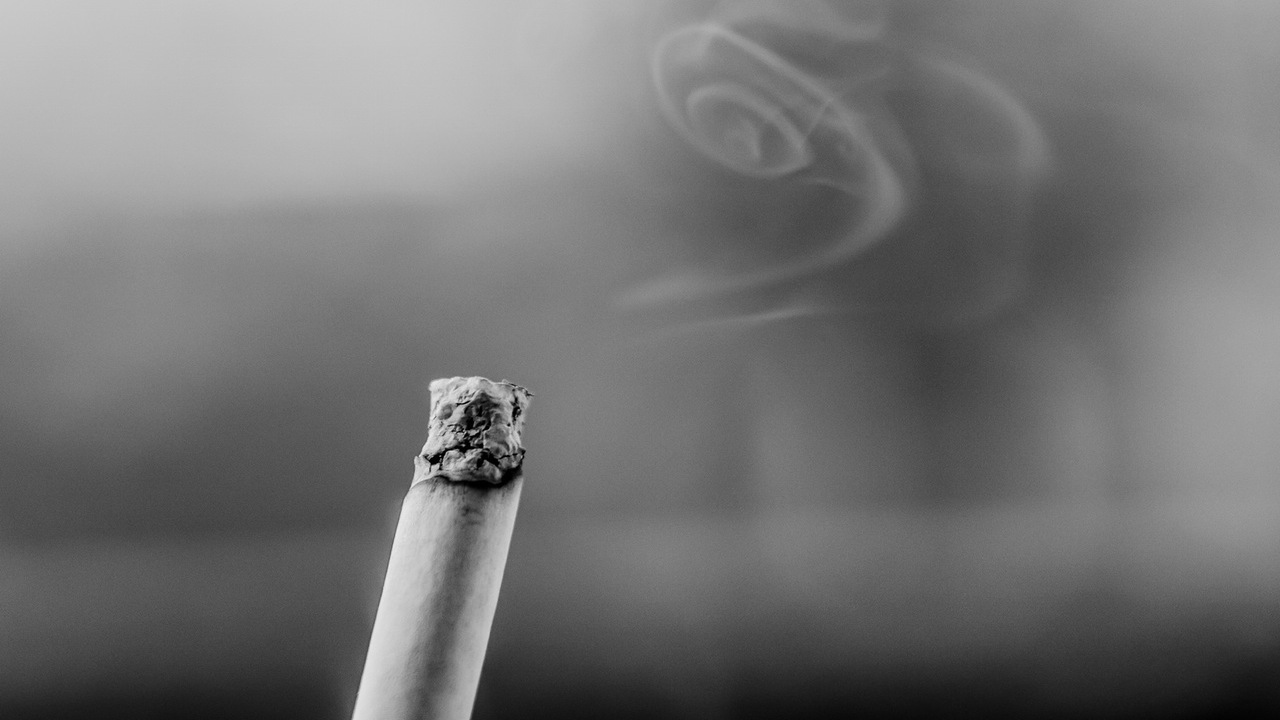
Science has shown that smoking or even being exposed to second-hand smoke increases the risk of developing lung cancer. A U.S. Surgeon General’s Report released in December 2010 stated that “smoking causes more than 85 percent of all lung cancers and can cause cancer almost anywhere in the body.” Now two recent studies show that people who tend to smoke first thing after waking up in the morning are at higher risk of developing several kinds of cancer including cancer of the lung, head, and neck.
Cancer is a disease that results when cells in the body grow out of control. Normally, cells in the body develop, serve their purpose, then die and are replaced by new cells. In cancer, cells remain alive and continue to grow out of control. These cells also form more abnormal cells and can sometimes invade other cells or surrounding tissue.
Cancer cells are the result of changes in DNA inside the cell. DNA is found in every cell. It controls the action and function of the cell and is duplicated when a cell forms new cells. Some people are born with genetic abnormalities that cause cells to grow incorrectly and develop into cancer. In other cases, something harmful, like cigarette smoke, interacts with cells as they are reproducing. Damaged DNA that is not repaired by the body can grow out of control and become cancer.
Smoke from cigarettes, cigars, and pipes is known to cause an increased risk of cancer. Nicotine, one of the chemicals found in tobacco products, is addictive which means people who smoke will become dependent on nicotine and will crave more of it. Researchers at the Penn State College of Medicine in Hershey studied what impact nicotine dependence has on the risk of developing cancer. They used the amount of time between waking and having the first cigarette of the day as an indicator of dependence on nicotine.
The study included 4,775 people who had lung cancer and 2,835 people who did not have cancer. All were regular cigarette smokers. Compared to people who waited over an hour to have their first cigarette of the day, people who had the cigarette 31 to 60 minutes after waking up were 1.31 times more likely to develop lung cancer. People who smoked in the first 30 minutes after waking up were 1.79 times as likely to develop lung cancer as those who waited an hour.
The statistics were similar for head and neck cancer risk. That study included 1,055 people with head and neck cancer as well as 795 who did not have cancer. All participants were regular smokers. Compared with people who waited 60 minutes to smoke, people who smoked 31 to 60 minutes after waking up were 1.42 times as likely to develop head and neck cancer. People who smoked in the first half hour were 1.59 times as likely to develop the cancer.
These results highlight an increased risk of cancer for people who tend to smoke soon after getting up in the morning. "These smokers have higher levels of nicotine and possibly other tobacco toxins in their body, and they may be more addicted than smokers who refrain from smoking for a half hour or more," said Dr. Joshua Muscat. "It may be a combination of genetic and personal factors that cause a higher dependence to nicotine."
The researchers concluded that smokers who want to smoke in the first half hour after waking up could benefit from programs to help them stop smoking. Getting help can reduce health risks and eliminate the costs of purchasing tobacco products.
Sources:
EurekAlert!. Early morning smokers have increased risk of lung and head and neck cancers. Web. August 10, 2011.
http://www.eurekalert.org/pub_releases/2011-08/w-ems080311.php
United States Department of Health and Human Services. Exposure to Tobacco Smoke Causes Immediate Damage, Says New Surgeon General’s Report. Web. August 10, 2011
http://www.hhs.gov/news/press/2010pres/12/20101209a.html
American Cancer Society. What is Cancer? Web. August 10, 2011.
http://www.cancer.org/Cancer/CancerBasics/what-is-cancer
National Cancer Institute. Dictionary of Cancer Terms: Nicotine. Web. August 10, 2011.
http://www.cancer.gov/dictionary?cdrid=439405
Reviewed August 11, 2011
by Michele Blacksberg R.N.
Edited by Jody Smith
Add a CommentComments
There are no comments yet. Be the first one and get the conversation started!