


VIDEO: Solving Hormone Imbalances To Deal With PMS - Dr. Christensen
Dr. Christensen explains how she solves hormone imbalances as a way to ease PMS symptoms.
20 videos in this seriesMore Videos from Dr. Margaret Christensen
-
VIDEO: Solving Hormone Imbalances To Deal With PMS - Dr. Christensen
1 of 20 : Current video
-
VIDEO: How To Deal With PMS - Dr. Christensen
2 of 20
-
VIDEO: Diet and Depression - Dr. Christensen
3 of 20
-
VIDEO: How Does Diet Affect Menopause? - Dr. Christensen
4 of 20
-
VIDEO: Which Foods Fluctuate Blood Sugar Levels? - Dr. Christensen
5 of 20
-
VIDEO: How Do Diets Affect PMS Symptoms? - Dr. Christensen
6 of 20
-
VIDEO: How Do You Balance Hormones? - Dr. Christensen
7 of 20
-
VIDEO: Does PMS Have A Purpose? - Dr. Christensen
8 of 20
-
VIDEO: BHRT Versus Conventional Synthetic Hormones - Dr. Christensen
9 of 20
-
VIDEO: Breast Cancer And Its Relation To Hormone Replacement ...
10 of 20
-
VIDEO: Depression and Hormone Balancing - Dr. Christensen
11 of 20
-
VIDEO: How Can I Improve My Libido And Sex Drive? - Dr. Christensen
12 of 20
-
VIDEO: The Eight Food Allergens - Dr. Christensen
13 of 20
-
VIDEO: Can A Detoxification Diet Help A Hormone Imbalance? - Dr. ...
14 of 20
-
VIDEO: Improve Your Quality Of Sleep - Dr. Christensen
15 of 20
-
VIDEO: How To Alleviate Hot Flashes - Dr. Christensen
16 of 20
-
VIDEO: What Is Adrenal Fatigue? - Dr. Christensen
17 of 20
-
VIDEO: What Is The Connection Between PMS And Stress? - Dr. ...
18 of 20
-
VIDEO: Why Did You Change From Practicing Western Medicine To More ...
19 of 20
-
VIDEO: What Are Bio Identical Hormones? - Dr. Christensen
20 of 20
Dr. Christensen:
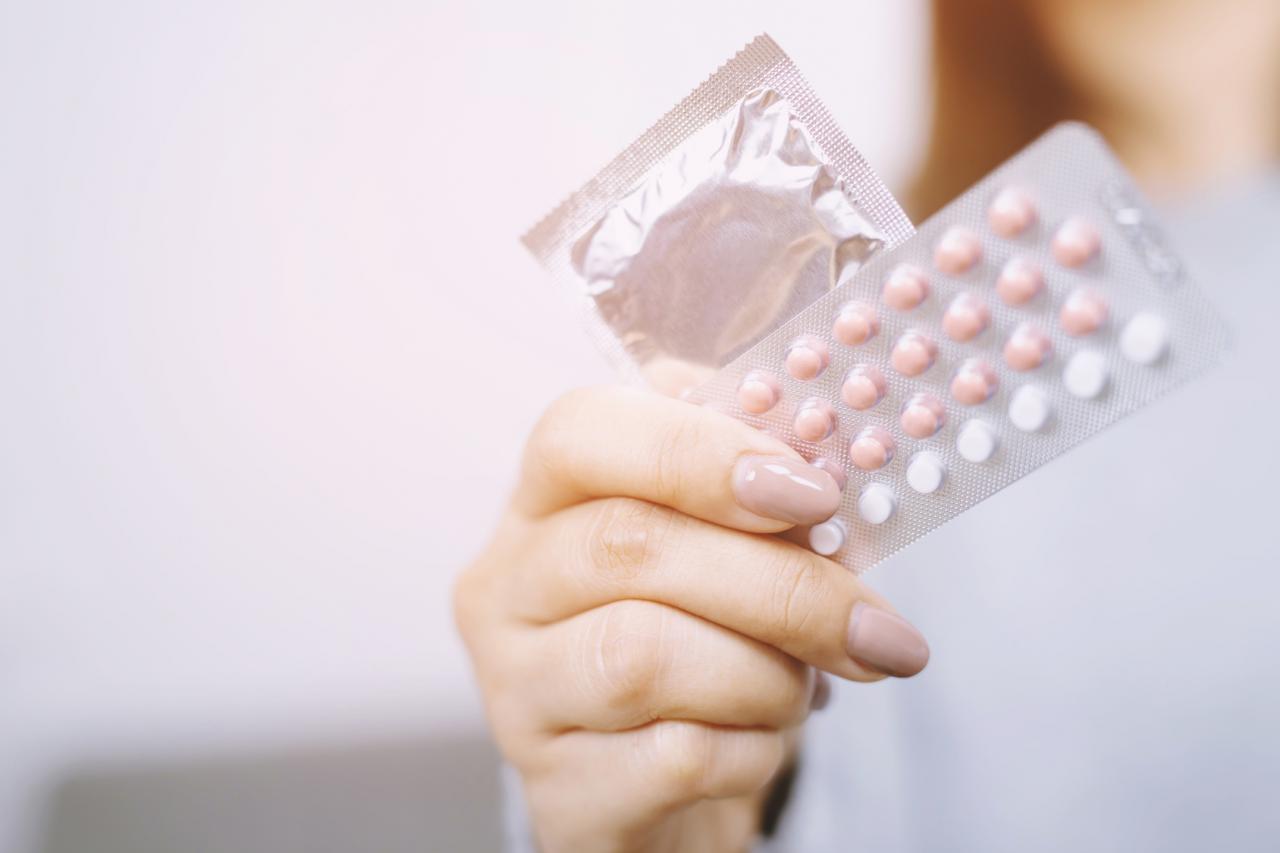
With hormonal imbalance, looking at PMS oftentimes what we see is estrogen dominance, in other words a woman has too much estrogen and not enough natural progesterone. Not progestins which are in birth control pills and a lot of synthetic hormones, so I want to assess a woman’s hormonal balance looking at estrogen and progesterone in her body, as well as looking at her adrenal glands for stress response and making sure her cortisol levels are within the normal range. Oftentimes, we have been under so much stress for so long that our cortisol is very out of range. Thyroid balance can also markedly affect PMS symptoms. So it is important when looking at and evaluating somebody with PMS that I make sure they had adequate amounts of progesterone, that their thyroid is functioning appropriately and that their adrenal glands are being well supported, particularly if they are under a lot of stress.
View Dr. Christensen's Videos:
http://www.empowher.com/users/dr-margaret-christensen
Visit Dr. Christensen on her Website:
http://www.christensencenter.com


