
Improved
6112 HealthChanged
3786 LivesSaved
3568 Lives1 lives impacted in the last 24 hrs Learn More
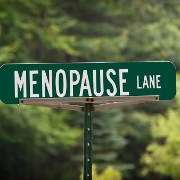 Photo: Getty Images
Many women want to know if they are menopausal and at what age does it start and stop, so they can prepare. Unfortunately, there is no ideal test that determines when menopause begins or when to expect it.
However there are a number of typical symptoms she can watch out for. There is a test known as the Follicle Stimulating Hormone test (FSH) that can help determine if someone is in menopause. But it doesn’t determine how long the symptoms are going to last and it is dependent on the communication (or lack thereof) between the ovaries and brain.
Historically women can look to their mothers, grandmothers, older sisters, and aunts to determine a pattern for menopause in the family but this is not always the case.
What are the common symptoms of menopause? There are a lot and some women experience them from time to time, all at once, or only a few. Some symptoms come and go while others remain for the entire duration.
It’s a definite time of transition and change. I remind my patients that they are a new person and cannot compare themselves to who they were in their teens, twenties and thirties. Everything is different.
You are entering menopause when ...
Your cycles start to change -- skipping months, coming every two weeks, and being overall unpredictable which is new.
Your bleeding becomes heavier and for more days than before.
You start to experience hot flashes, warm flushes, night sweats, and temperature changes.
Insomnia starts to become a problem -- you can’t fall asleep or stay asleep.
Memory (especially short-term) begins to challenge you.
Multi-tasking does not come as easy as it used to.
Abdominal weight gain creeps up into a muffin top that didn’t used to be there (or is getting worse).
Your skin changes -- it becomes drier or oilier.
Joints hurt more and you begin to feel stiffer than before.
Vaginal dryness that causes may cause irritation and pain with intercourse.
A decrease in your sex drive.
Do these symptoms last forever? Of course not, but they may hang around for several years even after your periods stop. Menopause can start as early as 40 years old and run through until 60 years old.
Sometimes the symptoms can feel overwhelming but you don’t have to suffer. Talk with your healthcare provider about options to support this process.
References:
1) Menopause Age Related to When Mom Went Through It. Web. Web. 28 September 2011.
http://www.medscape.com/viewarticle/743444
2) Menopause—What's It all about? Web. 28 September 2011.
http://www.medscape.com/viewarticle/716624
Reviewed September 28, 2011
by Michele Blacksberg RN
Edited by Jody Smith
Add a Comment5 Comments
I thought there were a time frame of when to expect menopause. I had the opportunity to discover much on the subject here at www.naturalHealthProductsForAll.blogspot.com and thought I share it with all of you.
August 15, 2013 - 3:46pmThis Comment
I am 51 yrs old and suffered with all the symptoms of menopause, vaginal dryness, irritability, trouble sleeping, mental fog, hot/cold etc.. Luckily I found a doctor who was on Sotto Pelle herself and she recommended it so I had to try it. All the other gynos always told me I could do nothing about the softening muscles, this one told me "you will not believe the difference the pellets make". She did a blood count and my Testosterone and Estrogen were at very low levels even with the Estrogel I was applying daily. Its been 10 weeks since I had the implants and I feel freaking great!!! sex is fantastic! I want it and it is lots more pleasurable than before the pellets. I feel like I did when I was in my 30s! my muscle tone is noticeable, no more dryness, my mind is clear and i'm not irritated with everything. I can sleep at night... everything i was having trouble with is resolved. I am one happy customer and recommend it to anyone that will listen. I haven't had any trouble with acne but it may be because I've been using Retin A cream for 10-15 years to keep my complexion clear and smooth. oh and an added benefit, the fat around my midsection is going away thanks to the Testosterone. I am slowly getting back to my normal weight. : ) I don't remember the mgs she implanted but she's going to do a 2nd blood count to see if they need tweaking.
August 20, 2012 - 7:17amThis Comment
I can handle all the symptoms of being Peri-menopausal, except the vaginal dryness. That one hurts, itches, is very bothersome. Is there anything that can help?
October 27, 2011 - 11:59amThis Comment
I tried Estrogel (0.06mg) and it helped the dryness BUT if I forgot to apply it daily, the lack of lubrication would resume. I finally tried the Sotto Pelle pellets at the recommendation of my new Gyno and I am so glad I did. I don't have to remember to apply the gel anymore. 2 tiny implants were implanted one Estrogen and one Testosterone (forgot the mgs) and I feel like a new woman! Sex is good again, and take pleasure in it like I used to. Dryness is a thing of the past! ALL menopausal symptoms have disappeared.
August 20, 2012 - 7:24amThis Comment
That is wonderful, thanks for sharing.
August 15, 2013 - 3:49pmThis Comment