




Improved
6112 HealthChanged
3786 LivesSaved
3568 Lives0 lives impacted in the last 24 hrs Learn More
The mole over Cindy Crawford's lip is an immediate tip off of her identity, but some people would prefer not to have such a noticeable mark on their face or body. Traditionally, moles are removed from the skin by a dermatologist or plastic surgeon using a scalpel, cryosurgery and, recent years, laser. There are creams that advertise they are also effective, but are they?
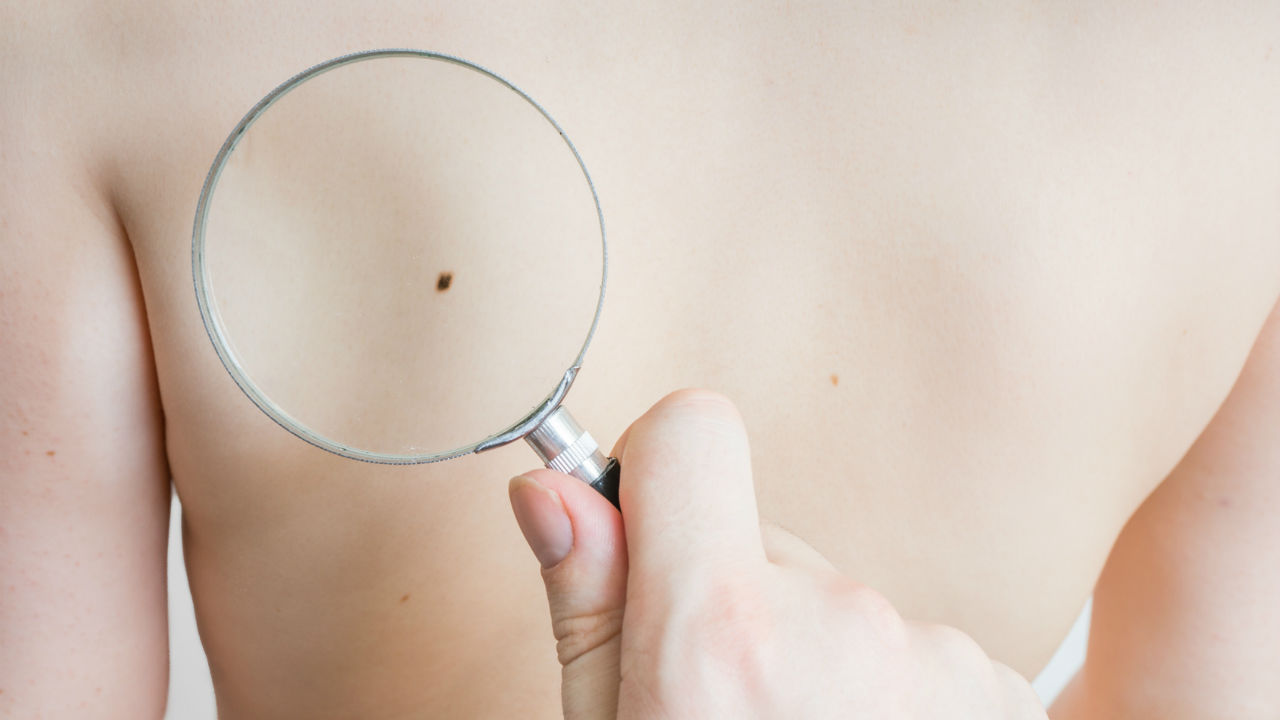
Moles can appear anywhere on the body though commonly occur on the face, arms, legs or trunk. Even though the majority of moles are non-cancerous, they do require monitoring to make sure they don’t change and become a site of melanoma, a deadly form of skin cancer that kills almost 9,000 people a year. Cancerous moles usually are large, over 6 mm, dark colored and irregularly bordered.
The most common mole removal method is by a dermatologist using a scalpel. The skin is anesthetized and an area slightly larger than the mole is removed and with suspicious moles, a small piece is sent to be tested for melanoma. If the mole is large, sometimes sutures are needed to close the skin incision. For smaller moles, cryotherapy can be used which freezes the mole and it eventually falls off. Laser surgery can vaporize the mole and cauterize blood vessels so sutures are not needed and there is no bleeding.
Scar formation is the biggest drawback from having a mole removed, regardless of method considered. If the mole is on the face, a plastic surgeon should be consulted and references checked to be sure you have the best result since the mole is in such a visible place. Ask to see one if your dermatologist doesn’t automatically suggest it.
Topical mole removal creams often contain bloodroot, which is a form of acid that dissolves the mole and may require repeat applications. Care must be taken not to get the cream onto any healthy skin to avoid damage. Even with repeated applications, the mole may still remain. People in forums have reported mixed results using mole removal creams so your success maybe variable depending on the size of the mole. Lawrence E. Gibson, M.D., a dermatologist answering questions at Mayo clinic.com, doesn’t feel creams are effective at all.
Cost of mole removal is a common reason to consider using a topical cream especially for people who have numerous small moles (over 50) making cream removal more affordable. The problem that presents itself is this: If you use a topical cream, how will you know for sure that the mole was not cancerous unless you have a dermatologist examine it first and then send a biopsy for any moles that are suspicious?
It is hard not to put our desire to look better and save money in front of what may be a safer choice for our health. If you want to try a cream regime to remove your moles, make sure you do so only after you have the go ahead from a competent dermatologist who has taken a look at all your moles and other skin growths.
Sources:
www.docshop.com/education/dermatology/skin-flaws/moles/
www.mayoclinic.com/health/mole-removal/AN01780
http://easymoleremoval.net/mole-removal/
www.publichealthforums.com/f-138-best-at-home-mole-removal-cream.html
Michele is an R.N. freelance writer with a special interest in woman’s healthcare and quality of care issues. Other articles by Michele can be read at http://www.helium.com/users/487540/show_articles
Add a Comment2 Comments
Good points to consider. I've had two moles removed with a scalpel and it was quick and relatively painless. I don't recall the bill being particularly large, but I imagine a cream would be cheaper. If it doesn't always eliminate the mole, as you've mentioned, I feel like getting it removed traditionally would be the best option.
Jim | http://sunpatrolscc.com.au/services/
May 8, 2015 - 1:03pmThis Comment
There is a mole on my neck that has been there for as long as I can remember. Now that I'm old enough to get it removed on my own, I want to get it done. I know that it's harmless, but I just don't like the way it looks. Thanks for all the great information on different kinds of creams. http://www.drhenrywiley.com/index.php?option=com_content&view=article&id=15
April 13, 2015 - 6:52amThis Comment