



Improved
6139 HealthChanged
3797 LivesSaved
3584 Lives0 lives impacted in the last 24 hrs Learn More
Over the past few decades, the incidence of melanoma, the deadliest form of skin cancer, has increased. Melanoma has become the most common cancer in women between the ages of 25 and 29. Overall, skin cancer is the most common cancer among men and women in the United States.
This trend is alarming to dermatologists who often work with public health officials to get the message out to the public in order to increase awareness of the dangers of sun exposure. “It is reaching epidemic proportions,” said Gervaise L. Gerstner, M.D., assistant clinical professor of dermatology at the Mt. Sinai School of Medicine, who practices at Park Avenue Skin Care in Manhattan, N.Y.
Certain people may be at higher risk for developing of skin cancer. According to the Centers of Disease Control and Prevention in Atlanta, Ga., the risk factors include:
* Family history of skin cancer
* Personal history of skin cancer
* Lighter natural skin color
* Certain physical characteristics, including lighter eye and hair color
* A history of sunburns early in life
* Consistent sun exposure through work and play
* Many pre-existing moles
In addition, researchers have revealed the hidden dangers of tanning salons, which are frequented much more often by women than men. “There is a study that shows that women who use tanning beds have a higher risk of melanoma,” Gerstner said.
The sun gives off different types of radiation in the form of UV light. Tanning salons use lights that give off the rays and can mimic natural sunlight, so the skin gets damaged in the same way.
The best way to guard against skin cancer is to limit your exposure to the sun. According to Gerstner, “You should avoid the sun’s peak hours between 10 a.m. and 2 p.m.” Even on cloudy or rainy days, you can receive UV ray exposure.
To prevent skin damage from the sun, the American Academy of Dermatology recommends that you:
* Generously apply sunscreen with a sun protection factor (SPF) of at least 15 that provides broad-spectrum protection from both ultraviolet A (UVA) and ultraviolet B (UVB) rays. Re-apply sunscreen every two hours, even on cloudy days, and after swimming or sweating.
* Wear protective clothing, such as a long-sleeved shirt, pants, a wide-brimmed hat and sunglasses, where possible.
* Use extra caution near water, snow and sand, which reflect damaging sun rays and can increase your chance of sunburn.
* Get vitamin D safely through a healthy diet that includes vitamin supplements.
Don’t forget to protect your lips. “Lips, tops of ears, receding hairlines are all common spots for precancerous growths,” Gerstner said. It is important to apply lip balms or lipsticks with SPF protection whenever going out in the sun.
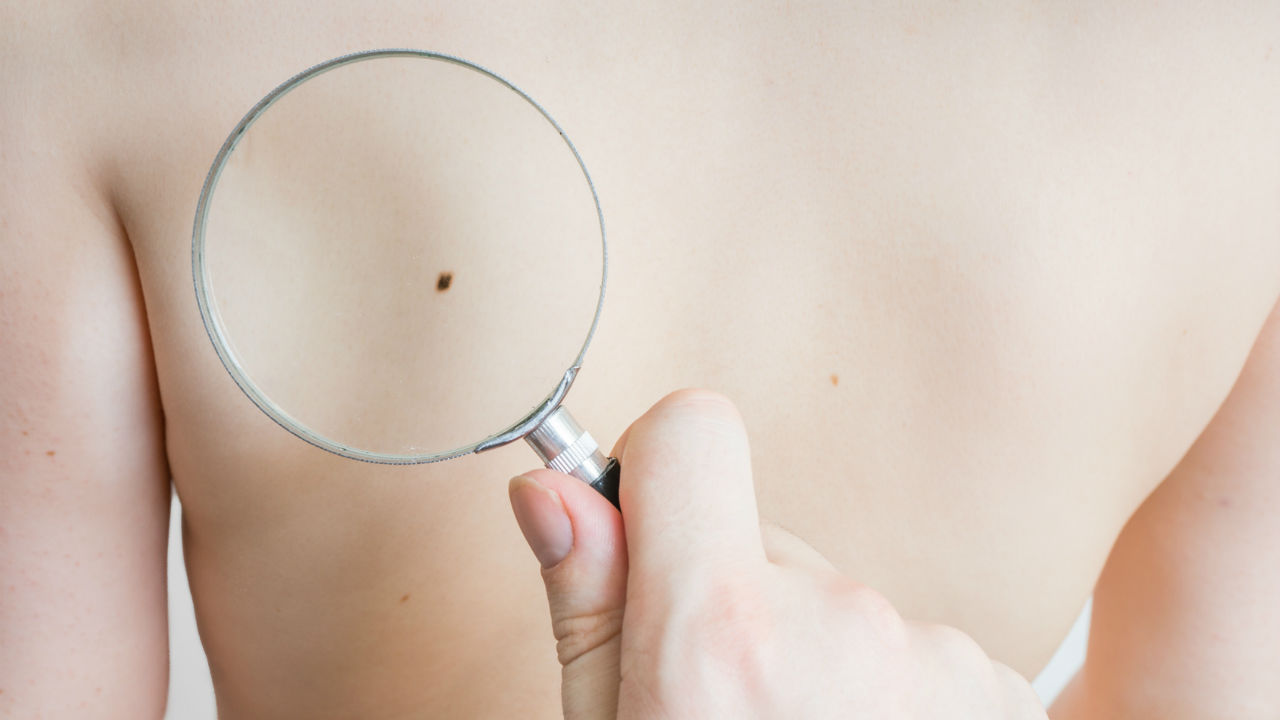
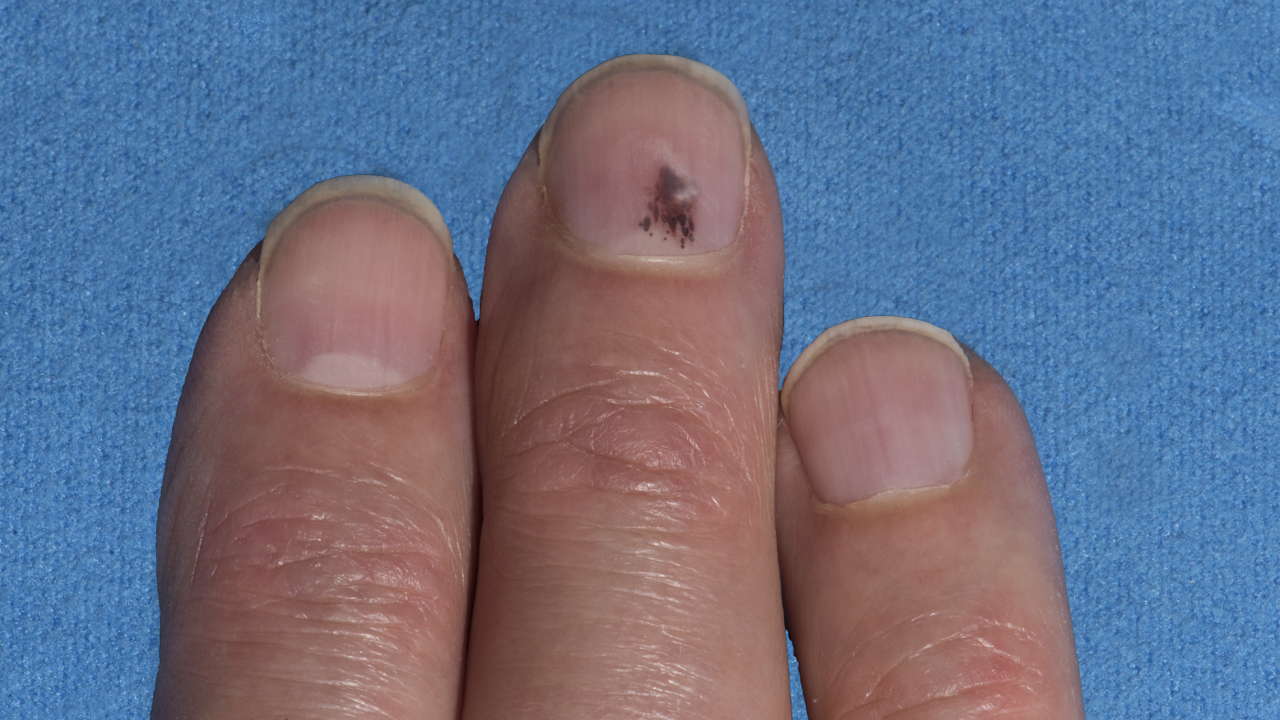
Early detection is extremely important when it comes to treating melanoma. “Everyone should have an annual total body skin exam,” Gerstner said. “It’s a must.”
In general, women tend to get screened more often than men. “We do tend to catch women’s melanoma earlier,” explains Gerstner. “Men tend to let things grow.” The most common spot for melanoma in men is on the back; for women, it’s the calf.
Melanoma is very treatable if caught early, that’s why it is so important to be aware of the signs and to visit a dermatologist regularly.
The Society for Women’s Health Research hosted a live online moderated discussion on “Keeping Your Skin Young and Healthy” on July 16. Michelle Copeland, D.M.D, M.D., a world-renowned plastic surgeon, biochemist, and best-selling author was the discussion’s guest expert. To view the archived transcript, visit the Society’s Web site: http://live.womenhealthrearch.org/.
By Jennifer Wider, M.D.
Society for Women's Health Research
June 19, 2008
www.womenshealthresearch.org
© June 19, 2008 Society for Women's Health Research
Add a Comment3 Comments
Thank you for your response. Your right to say that many toxic exposures are bad for our skin and it would certainly be useful tool to read the ingredients of any topical lotions or oils used on our bodies. A great website to use can be found here http://hazmap.nlm.nih.gov/.
I work in a field that deals with health effects from toxic substances and the Haz Map website is a great tool to search for health effects from certain substances. It is very common to see squamous cell carcinoma and basal cell carcinomas from individuals exposed to certain substances. Knowledge is key.
September 13, 2009 - 10:08amThis Comment
You think maybe all the toxic lotions that most people put all over their bodies might have something to do with it! If you read on pretty much all of the lotions in any shop, most of the ingredients sounds pretty toxic! I would never put it on to my bodies largest organ!! if I can't eat it, I rater not put it on me ;)
Studies from Carolinska Institutt in Sweden showed that leftovers of sunscreen was found in your skin over tree weeks after you put it on... not good!
Natural oils is way safer! buy some good coconut or virgin olive oil and add any natural smell, no health risk, only gorgeous skin :)
September 13, 2009 - 9:29amThis Comment
This is a great post.
I'm wondering why an annual skin exam isn't a habitual part of a woman's annual checkup? I have been having annual pap smears and physical checkups for 30 years, and only once or twice did a doctor actually examine a mole or two, and that was when I brought it to their attention. I understand that doctors are not dermatologists, but it seems that they're trained in what to look for -- when a mole looks troublesome, for instance -- and refer patients to dermatologists when necessary.
I've long felt the need to find a dermatologist because I spent way too much time in the sun in my late teens and early 20s. But it's one of those things that you have to "get around" to doing. It sure would be awesome if it were a part of our regular annual screenings at our regular doctors' offices.
Perhaps it is at others' primary care offices. Anyone had this experience?
June 29, 2009 - 8:44amThis Comment