



Improved
6139 HealthChanged
3797 LivesSaved
3584 Lives0 lives impacted in the last 24 hrs Learn More
Addison’s disease (also called adrenal insufficiency or hypocortisolism) is defined as a disease that occurs when the adrenal glands do not produce enough of particular hormones, such as cortisol and aldosterone.
Symptoms and Causes
Even though this disorder can occur at any age, it normally appears at ages 30 to 50. Symptoms usually occur over a long stretch of time; however, it is possible that symptoms can appear suddenly too. When sudden signs appear, it is called acute adrenal failure or addisonian crisis.
What Causes Addison’s Disease?
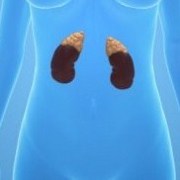
The adrenal glands are a part of the endocrine system. These glands are responsible for producing hormones that, in turn, transmit directions to other organs and tissues in the body. The outside of the gland produces corticosteroids like glucocorticoids, mineralocorticoids, and androgens. Glucocorticoids (including cortisol) help the body burn food, control the body’s inflammatory response and stress levels. Mineralocorticoids control the balance of sodium, potassium and water which aids in blood pressure.
But hormones cannot be produced when the cortex is damaged. This is just one scenario. Secondly, if the patient suffers from an autoimmune disease, in which the body's systems start to attack itself, the cortex will come under attack, resulting in damage. Next, the Mayo Clinic lists several other causes ranging from tuberculosis to infection or cancer of the adrenal glands. Finally, Addison’s disease may not even stem from a damaged adrenal gland at all. Instead, it may stem from a damaged pituitary gland. The pituitary gland makes hormones that stimulate the adrenal gland. So, if the pituitary gland is not functioning properly, the adrenal gland will not either, which may lead to Addison’s disease.
Only a medical professional can diagnose this disorder. Therefore, when experiencing any of the symptoms listed below, seek medical attention, as Addison’s disease can be life-threatening.
Muscle weakness and fatigue
Weight loss and decreased appetite
Darkening of your skin (hyperpigmentation)
Low blood pressure, even fainting
Salt craving
Low blood sugar (hypoglycemia)
Nausea, diarrhea or vomiting
Muscle or joint pains
Irritability
Depression
Pain in your lower back, abdomen or legs
Severe vomiting and diarrhea, leading to dehydration
Low blood pressure
Loss of consciousness
High potassium (hyperkalemia)
Resource: Mayo Clinic
How does one deal with nagging doubts and thoughts that are negative that weigh you down and hold you back? Please read the following article and see…
http://www.associatedcontent.com/article/2241231/overcoming_negativity.html?cat=5
Add a CommentComments
There are no comments yet. Be the first one and get the conversation started!