


Improved
6139 HealthChanged
3797 LivesSaved
3584 Lives0 lives impacted in the last 24 hrs Learn More
Inflammatory bowel diseases (IBD) include Crohn's disease, ulcerative colitis, and other conditions of anomalous chronic inflammation. There is as yet no cure, but the quality of life can be improved with treatment.
A recent review (Oct. 2009) reports that anemia is much more common than previously thought in patients with IBD. The primary cause is iron deficiency from chronic intestinal bleeding. Dietary restrictions and malabsorption also contribute to iron deficiency, which affects 45% of IBD patients, according to data quoted in the October review. Other factors contributing to anemia include drug side effects, impaired absorption of vitamin B12 and folate, and changes in iron metabolism.
The clinical symptoms of anemia are fatigue, headache, dizziness, shortness of breath, and tachycardia (rapid heart beat). Iron supplements can help some IBD patients, but often oral iron is not adequately absorbed. Intravenous iron can greatly improve the quality of life in these cases. If this treatment is not enough to reverse the anemia, then erythropoietin may be helpful.
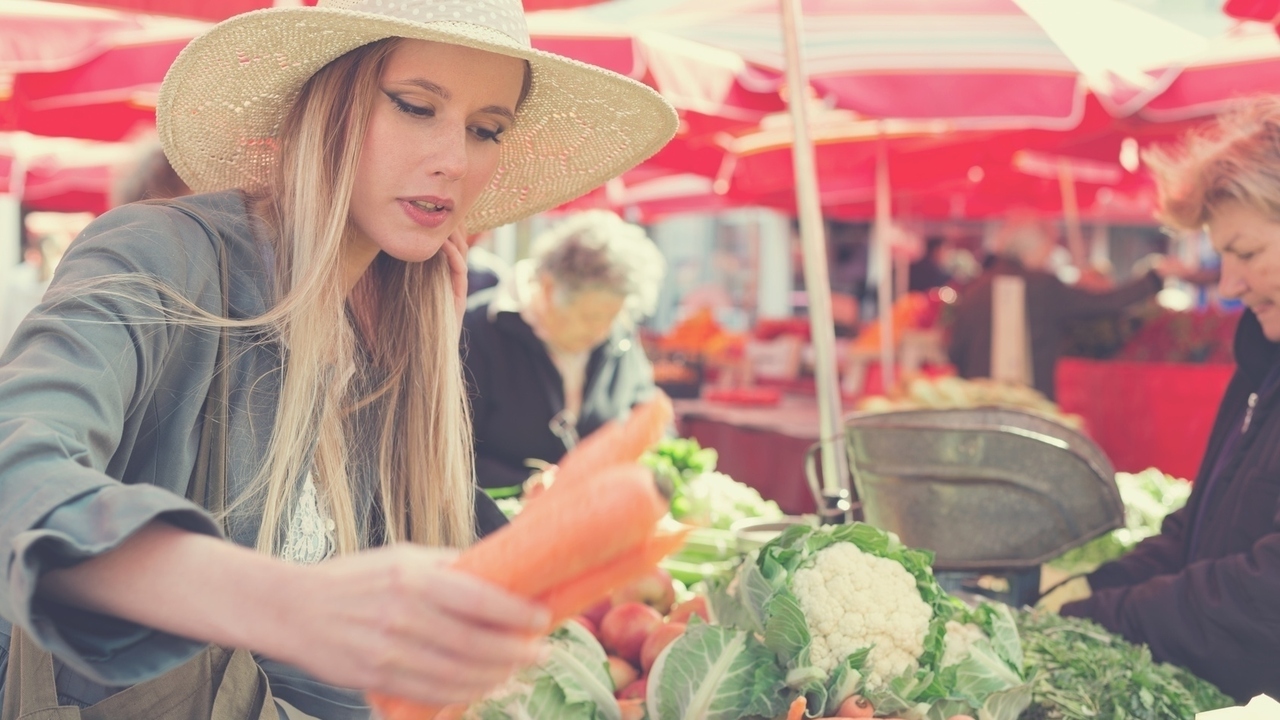
Patients with IBD require careful attention to nutrition in general, according to a review from May 2009. The authors recommend a diet rich in fruits and vegetables, meat, olive oil, and fish, with commercial supplements formulated to provide nutritional support for IBD. They also point out that feeding tubes are not recommended except as a last resort for patients who are not able to satisfy specific nutritional requirements by oral food intake.
In another article from the medical literature, researchers at The University of Texas Medical Branch found that extracts of 7 herbs used in Chinese medicine significantly improved the health of mice with IBD induced by a standard chemical irritant. The herbs used are:
1. Forsythia koreana (suwon gold)
2. Corydalis saxicola
3. Semiaquilegia adoxoides
4. Taraxacum officinale (dandelion)
5. Chrysanthemem coronarium
6. Glycyrrhiza inflate
7. Lonicera japonica (Japanese honeysuckle)
Unfortunately, I did not find a convenient source for any of these. The researchers obtained their herbs from the Chinese Medical Hospital of Gansu province, Tianshui, China. I hope the Texas researchers will continue with clinical trials, and that the successful herbs will be made commercially available as dietary products.
Another dietary option is glycosaminoglycans. These biomolecules include glucosamine and chondroitin, which are widely used to support joint health. They may also help repair the protective layer of the intestines to reduce inflammatory damage.
by Linda Fugate, Ph.D.
References:
Gisbert JP et al, “Anemia and inflammatory bowel disease”, World J Gastroenterol. 2009 October 7;15(37):4659-4665.
Lucendo AJ et al, “Importance of nutrition in inflammatory bowel disease”, World J Gastroenterol. 2009 May 7;15(17):2081-2088.
Jackson LN et al, “Alternative medicine products as a novel treatment strategy for inflammatory bowel disease”, Am J Chin Med. 2008:36(5):953-965.
Russel AL, “Glycoaminoglycan (GAG) deficiency in protective barrier as an underlying, primary cause of ulcerative colitis, Crohn's disease, interstitial cystitis, and possibly Reiter's syndrome”, Med Hypotheses. 1999 Apr;52(4):297-301.
Add a CommentComments
There are no comments yet. Be the first one and get the conversation started!