


Improved
6139 HealthChanged
3797 LivesSaved
3584 Lives0 lives impacted in the last 24 hrs Learn More
This is first in a series of articles I will be writing looking at Menopause. While I am probably still a number of years from experiencing “the change” myself, I am hearing more and more of friends undergoing treatments related to Menopause and complications of Perimenopause, so perhaps I should be paying better attention.
The difference between Menopause and Perimenopause is:
• Menopause is the time where your periods cease for more than a year, occurring roughly around the age of 50 (but can occur as early as your 40s), and signals the end of childbearing ability.
Menopause and the time leading up to it is a natural thing, and doesn’t need to be treated, except for working with your doctor or midwife to ensure your comfort from any symptoms that are particularly difficult to deal with. During this time, estrogen and progesterone levels eventually will drop causing your menstrual cycle to stop. It is also during this time that often women might begin to experience new problems such as endometriosis, heavy bleeding, precancerous cells or cancer, and uterine fibroids, in which case your doctor could suggest a hysterectomy.
I read that many insurance companies now are ordering a second evaluation to try and cut down on the amazingly 90% of hysterectomies which are done for what is considered elective reasons, rather than to cure life-threatening illness (PID, cancer, etc.). Some non-life threatening problems include uterine prolapse, endometriosis, and fibroids, etc.
Sadly, many doctors do not see value in the uterus past childbearing age, however studies have shown that serious side effects, such as depression, and acute headaches to name a few can occur following hysterectomy. I found a page on www.About.com highlighting the commonly held reasons for hysterectomy and possible alternatives to try depending on your particular situation before heading down that road. I will be looking closer at some of the alternatives in the coming weeks, but here is a partial list of all the different therapies:
Less Invasive Surgical Alternatives—
• Endometrial Ablation
• Uterine Balloon Therapy
Hormonal Pharmacological (prescription drug) Therapies—
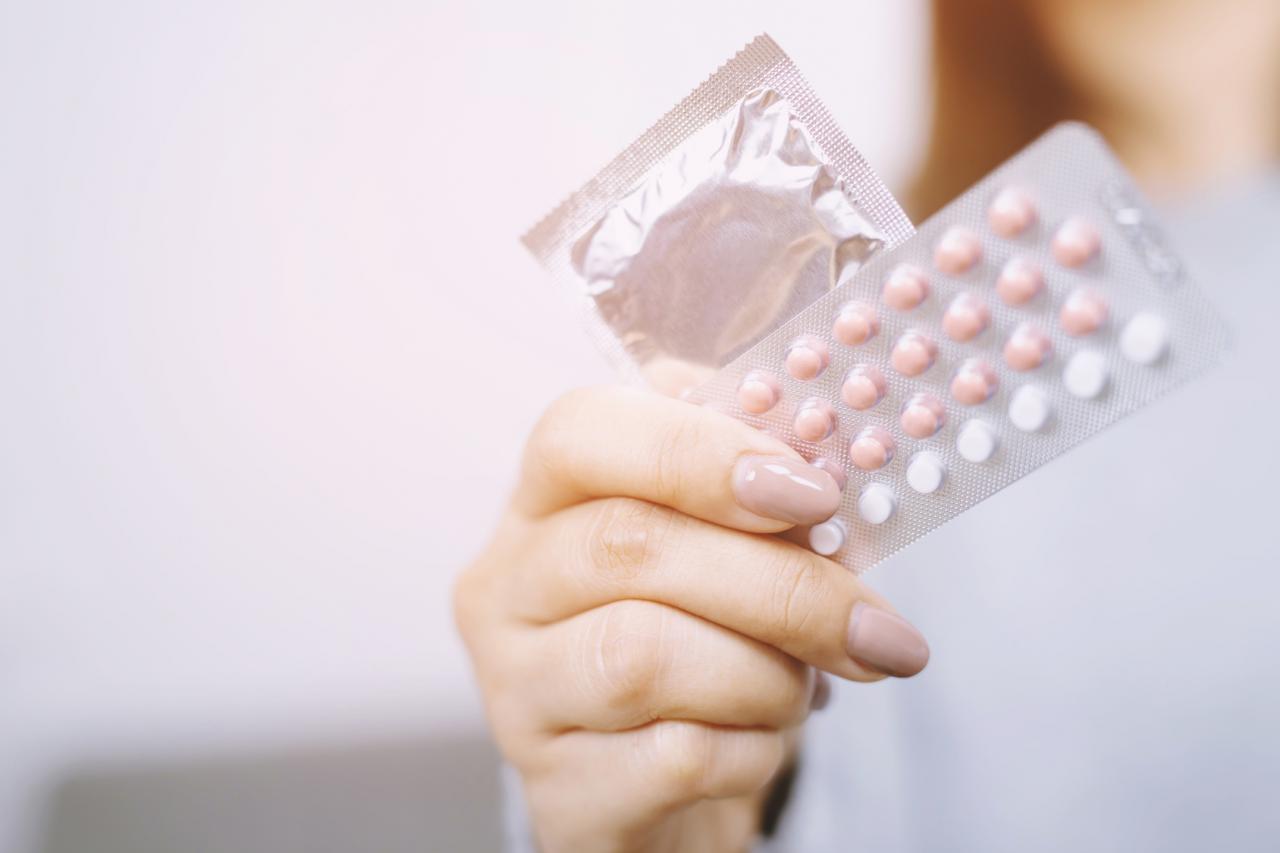
• Oral Contraceptives
• Tamoxifen
• Progestins
Non-Hormonal Pharmacological Therapies—
• NSAIDs
• Analgesics
Other Treatments—
• Observation
• Biofeedback
• Acupuncture
• Lifestyle changes (diet & exercise)
• Kegels
Resources:
“Your Alternatives To Hysterectomy,” by Tracee Cornforth
“Tips on Hormone Use, Coping With Menopause,” AP News Article
“Menopause and Perimenopause,” Health.com article, provided by Healthwise
Christine Jeffries is a writer/editor for work and at heart, and lives in a home of testosterone with her husband and two sons. She started a women’s group, The Wo-Hoo! Society, in the interests of friendship, networking, and philanthropy. The group meets separately on a monthly basis in the Phoenix and Kansas City areas. Christine is interested in women’s health and promoting strong women.
Add a CommentComments
There are no comments yet. Be the first one and get the conversation started!