




Improved
6139 HealthChanged
3797 LivesSaved
3584 Lives0 lives impacted in the last 24 hrs Learn More
It is said that knowledge is power. This statement is ever so true when patients have been diagnosed with any disease, but especially is this true when diagnosed with pancreatic cancer.
Usually, this type of cancer has a poor prognosis because it spreads quickly and is not detected early. As a result, in many cases, when a person finally starts experiencing signs, the cancer is advanced, making surgery impossible.
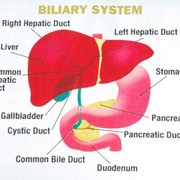
In a healthy pancreas, enzymes are secreted that make digestion easier and hormones are released that helps regulate the metabolism of blood sugars. But with pancreatic cancer, genetic mutations develop. The mutations outlive normal cells and can even turn into a tumor.
There are two types of pancreatic cancer – adenocarcinoma or exocrine (cancer in the duct of the pancreas) and endocrine cancer (cancer that forms in hormone-producing cells). The type of treatment needed depends on which type of these cancers you have. So if you are having recurring symptoms such as, unexplained weight loss, stomach pain, jaundice, make an appointment with your physician as soon as possible. Your physician will have to do a number of tests as other conditions and diseases will have to be ruled out.
Unfortunately, doctors have not found a way to detect this kind of cancer in its early stages. Which is why after getting a confirmed diagnosis of pancreatic cancer – only after a number of tests are completed – the doctor will next determine the advancement or stage of the cancer. The stage of cancer dictates your treatment course. As defined by the Mayo Clinic, stages of pancreatic cancer can be described as:
Resectable – all tumors nodules can be removed
Locally advanced – tumor cannot be removed with surgery due to the spread of cancer to surrounding tissues and blood vessels
Metastic – cancer has spread to distant organs like the lungs and liver
or
Stage I – cancer is confined to pancreas
Stage II – cancer has spread to pancreas and nearby organs and lymph nodes
Stage III – cancer has spread to pancreas, major blood vessels and to lymph nodes
Stage IV – cancer has spread to pancreas, liver, lungs, and lining of abdomen
Just who is at risk of pancreatic cancer anyway? Study shows that smokers, obese persons; persons with a family history of pancreatitis, pancreatic cancer, or genetic syndromes; those of advanced age, and African Americans are more at risk than any other group. So, if you are at risk, what preventive steps can be taken? Quit smoking, lose weight, exercise regularly, and a healthy diet are the four preventive steps recommended by the Mayo Clinic.
But what if you have been diagnosed with pancreatic cancer and there aren’t any treatment options left for you at present? The key thing will be your attitude, friends and family at this point. It is a very hard thing to come to terms with a terminal illness. Many find that their faith provides comfort for them at this time as well. Others find talk therapy with a trusted friend, support group, therapist, or social worker helps them. There are others who use this time to prepare their families with everything from general directives (instructions to doctors/family about your medical choices if you are unable to speak) to other end-of-life wishes that they want.
After these plans are set, some decide that they would rather surround themselves with loved ones than subject themselves to further treatments. Either way, doctors and family members are to respect the rights of patients and give them their dignity.
For more information on pancreatic cancer, support groups or advance directives, please call the American Cancer Society at 800-ACS-2345 or National Hospice and Palliative Care Organization at 800/658-8898.
Resource: Mayo Clinic
Dita Faulkner is a freelance writer and avid Titans’ fan. She lives in Tennessee – where else?
Read another one of Dita’s articles at:
http://www.associatedcontent.com/article/2214403/womanliness.html?cat=42
Add a Comment1 Comments
Hi Dita - As you noted, doctors are unable to diagnose pancreatic cancer at an early stage, which makes hearing this diagnosis especially hard for patients. One of the best ways to cope with any cancer diagnosis is through support groups. The Pancreatic Cancer Action Network has information about this on their website at
http://www.pancan.org/section_facing_pancreatic_cancer/find_support_resources/
Thanks for your comprehensive look at pancreatic cancer which I'm sure will be helpful to readers.
November 30, 2009 - 6:01pmTake good care,
Pat
This Comment