


Improved
6139 HealthChanged
3797 LivesSaved
3584 Lives0 lives impacted in the last 24 hrs Learn More
Bronchiolitis is successfully diagnosed by running a combination of tests to get conclusive results.
• The most useful is of course, a chest x-ray to eliminate the presence of pneumonia or lodged foreign object inhaled by the patient.
• The next step in the diagnostic approach is to use a stethoscope to check for wheezing and laboured breathing.
• A nasopharyngeal mucous swab is also taken to check for virus type.
• Blood tests are also ordered to check both white blood cell count as well as blood oxygen levels.
Since Bronchiolitis is a viral infection, antibiotic usage is ruled out unless the bronchiolitis has led to the development of secondary infectious conditions such as pneumonia, middle ear bacterial infection etc where antibiotics need to be prescribed to treat the secondary condition.
On it’s own, Bronchiolitis is treated with supportive therapy such as with usage of bronchodilators like Ventolin, Salbutamol, Ipratropium or even Racemic epinephrine etc to ease breathing. Anti-viral drugs such as Ribavirin may also prove effective.
Physical methods are also employed to clear the nasopharangeal duct to help easy airflow through the air passage. Suction may be done through a nasogastric tube. At times CPAP (Continuous Positive Air Pressure) type mechanical ventilation device may be used to aid breathing.
Depending on visible symptoms nebulisation, humidifiers and intravenous fluids may be given to overcome immediate crisis.
Prevention Techniques:
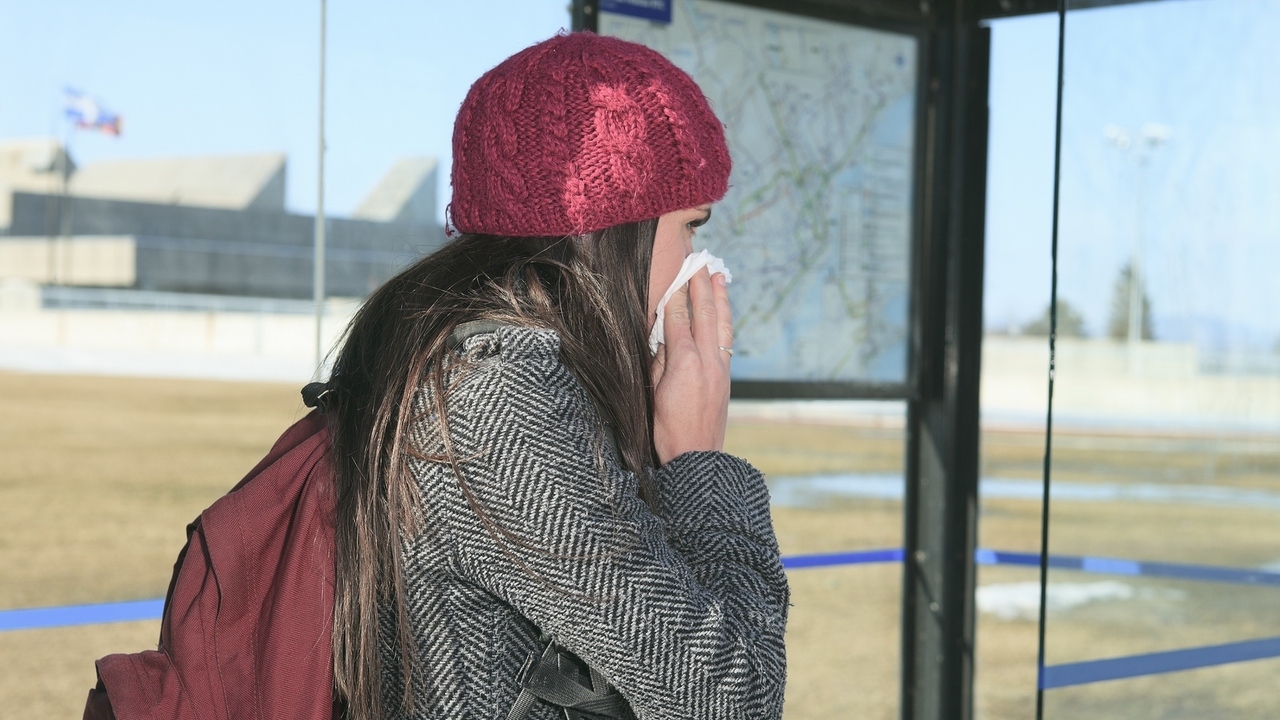
• Avoid contact with those who have viral flu or are displaying symptoms of cold.
• Wash hands often of the child and also have her/his primary caregiver maintain good wash hygiene.
• Disinfect common usage surfaces such as door knobs, computer keyboard, phone mouthpiece, tabletops, floor etc.
• Dispose of tissues after single use in a bin.
• Consider the use passive vaccine drug Palivizumab of to reduce the chances of contracting RSV infections. It is very beneficial for children with suppressed immune function, heart-lung conditions or a premature birth.
It is a relief that a few lifestyle changes and home-based remedies can go a long way to manage and treat Bronchiolitis very effectively. Here are a few suggestions:
1. Smoking outside and avoid exposing the patient to traffic pollution, etc.
2. Use Nasoclear or any other saline nasal drops to clear nasal congestion
3. Use paracetamol as per children’s dosage to relieve body discomfort and bring the fever down.
4. Raise the bed head to an inclination of 30 degrees when having the child sleep. When awake, have the child sit up resting their back on pillows.
5. Have a air humidifier going.
6. Ensure that the child is having some fluids like soups, juices, stews, water etc.
Mamta Singh is a published author (Migraines for the Informed Woman – Tips from a Sufferer. Publisher: Rupa & Co.), seasoned business, creative and academic writer. She is a certified fitness instructor, personal trainer & sports nutritionist through IFA, Florida USA. She is the lead writer and holds Expert Author status in many well-received health, fitness and nutrition sites. Mamta runs her own popular blogs on migraines in women and holistic health. Mamta holds a double Master's Degree in Commerce and Business, and is presently training as a Holistic Healing Therapist from the U.K. She is a registered practitioner with the UN recognised Art of Living Foundation.
Link: http://www.migrainingjenny.wordpress.com and http://www.footstrike.wordpress.com
Add a CommentComments
There are no comments yet. Be the first one and get the conversation started!