



Improved
6112 HealthChanged
3786 LivesSaved
3568 Lives1 lives impacted in the last 24 hrs Learn More
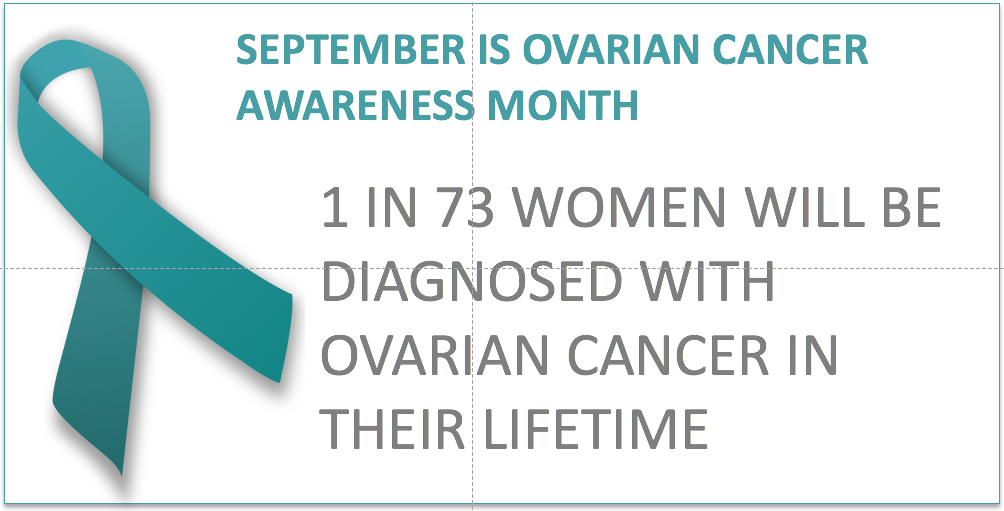
Cancer of the ovaries is the ninth most common cancer in women. Approximately half of all women diagnosed with ovarian cancer are age 60 or older. About one out of every 71 women will get invasive ovarian cancer.
The ovaries are glands that are part of the female reproductive system. A woman normally has two ovaries with one located on each side of the uterus in her pelvis. The ovaries produce eggs (also called ova) and release them into the fallopian tubes. The eggs travel to the uterus where they implant and grow into a baby if they are fertilized. The ovaries also produce most of the body’s supply of the female hormones estrogen and progesterone.
Types of ovarian cancer:
Ovarian cancer is cancer that develops on or in the ovaries. There are three kinds of tissue in the ovary that can develop ovarian tumors:
• Epithelial cells – These cells are the covering of the ovary. Most epithelial ovarian tumors are benign, which means they are not cancerous. But nearly nine out of 10 ovarian cancers are this type.
• Germ cells – These are the cells inside the ovary that develop into eggs. This kind of tumor is usually benign, which means it is not cancer. However, it is possible for these tumors to become a life-threatening type of cancer.
• Stromal cells – These are the cells that produce hormones in the ovaries. These cells also provide the connective tissue that holds the ovary together. Most tumors of this type are found in women over age 50, although some also appear in young girls. This type of tumor can produce abnormal female hormones that cause problems with the menstrual cycle. They can also produce male hormones that can cause periods to stop and also cause the growth of hair on the face and body.
Risks for ovarian cancer:
Researchers have not been able to determine exactly why ovarian cancer starts. These are some of the indicators that show a possible increased risk of this type of cancer:
• Family history – Women who have a close blood relative who has had ovarian cancer are at increased risk of getting it. Also, women who have a family history of cancer of the breast, uterus, colon, or rectum, or who have had one of these cancers themselves may also be at increased risk.
• Age – Ovarian cancer is most commonly found in women over the age of 50.
• Pregnancy – Women who have never been pregnant are at increased risk. The risk of ovarian cancer decreases with each pregnancy.
• Hormone therapy – Women who take estrogen as a hormone replacement for 10 or more years after menopause may be at increased risk if they have not also taken progesterone.
• Obesity – Women who are very over weight are at increased risk.
There are also some factors that appear to lower the risk of ovarian cancer:
• Tubes Tied – Having a tubal ligation may reduce the risk of this type of cancer by up to 67 percent.
• Hysterectomy – Surgery to remove the uterus but leave the ovaries intact may reduce the risk of this type of cancer. This procedure should only be done for a valid medical reason, not just to reduce the chances of cancer.
• Oral contraceptives – Taking birth control pills for five or more years reduces the chances of getting this type of cancer by 50 percent.
Symptoms of ovarian cancer:
The sooner ovarian cancer is discovered, the sooner it can be treated and the better the odds of successful treatment.
Symptoms may include:
• Pain in the lower abdomen
• Fullness or heaviness in the pelvis
• Unexplained back pain that gets worse
• Trouble eating or feeling full quickly
• Gas, nausea, or vomiting
• Constipation or diarrhea
• Swelling or bloating in the abdomen
• Feeling unusually tired
• Unusual vaginal bleeding (heavy periods or bleeding after menopause)
• Need to urinate more frequently
For most women, the symptoms of ovarian cancer are mild, or may be caused by a variety of other conditions.
Further reading: Ovarian Cancer Diagnosis & Treatment
Sources:
American Cancer Society
National Cancer Institute
National Institutes of Health: Medline Plus
Add a Comment2 Comments
This is a great educational blog. For those of you in the Pittsburgh region, scientists at Magee-Womens Research Institute and Magee-Womens Hospital of UPMC are taking great strides in the prevention, detection, and treatment of ovarian cancer. They have a high-risk clinic for those women who may be at higher risk of ovarian cancer, and have a genetics program. Join our Facebook group at: http://www.facebook.com/pages/Magee-Womens-Foundation-Supporting-Breast-and-Ovarian-Cancer-Research/107769029247935?ref=mf
March 26, 2010 - 1:44pmThis Comment
Hi Anon - Welcome to EmpowHER and thanks for providing information about the high-risk clinic in the Pittsburgh area. Are you associated with the clinic as a patient, or as a healthcare professional? We'd be interested in learning more about why the clinic was formed and how many women it has served.
If the clinic has events that are open to the public and/or conducts clinical trials that are open to the public, the organization is welcome to use our free events listing service so that more women can learn about them.
We look forward to hearing more from you.
March 29, 2010 - 5:26pmTake care, Pat
This Comment