


Improved
6112 HealthChanged
3786 LivesSaved
3568 Lives0 lives impacted in the last 24 hrs Learn More
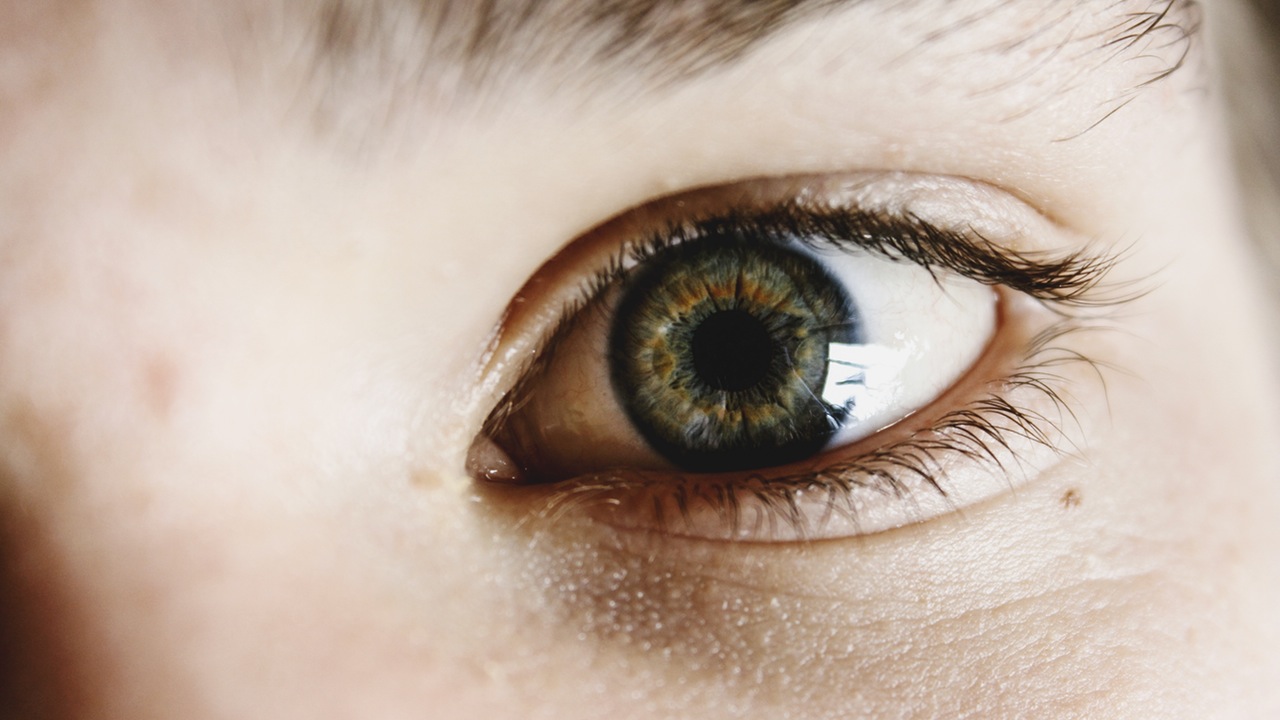
When your eyes are irritated, they may appear red and tired. When the transparent membrane that covers the white part of your eyes becomes inflamed, you may have conjunctivitis, which is more commonly known as pink eye.
While people of all ages can have pink eye, more cases are seen in children than in adults, largely because children are more prone to colds and other respiratory tract infections. If your child develops pink eye, be sure to notify the school so classroom surfaces can be sanitized. Children with pink eye should stay away from other children until the contagious phase has passed, which usually takes 3 to 5 days after the infection is diagnosed.
Types of Pink Eye
• Bacterial conjunctivitis often spreads to both eyes and causes a heavy discharge which may have a greenish color. It can be spread by contact with someone else who has the infection, by touching contaminated surfaces, or by sinus or ear infections. Bacterial conjunctivitis can also result from some sexually transmitted diseases including gonorrhea and chlamydia. The chlamydial infection can cause scarring on the eye, and is the world’s leading cause of preventable blindness.
• Viral conjunctivitis is highly contagious and typically affects only one eye, which has excessive tearing and a light discharge. It can accompany viral upper respiratory infections such as measles, the flu, or the common cold and can be spread through airborne contact when someone sneezes or coughs.
• Allergic conjunctivitis is caused by eye allergies and usually appears in both eyes. It can be triggered by pollens, animal dander, dust mites, and other allergens. While this type of conjunctivitis is not contagious, it can result in watery, itchy red eyes and may be seasonal or year-round, depending on the allergen.
• Giant papillary conjunctivitis (GPC) usually involves both eyes and often affects wearers of soft contact lenses. This may result in raised bumps on the insides of the eyelids and can be a reaction by the immune system to the contact lens, or to an artificial eye, or a stitch in the eye following surgery.
• Neonatal conjunctivitis is found in newborn babies. If left untreated, it can cause blindness. Up to 10 percent of all pregnant women in the US have a sexually transmitted infection. Treatment for the mother before she gives birth can help prevent the baby from catching this infection during birth.
Symptoms of Pink Eye
Patients with pink eye often say it feels like there is something in the eye that they can’t get out. A pink eye infection may be present in just one eye, or both eyes may have these common symptoms:
• Redness
• Itchiness
• Gritty feeling
• Discharge that may form a crust during the night – this may mean waking up with the eye or eyes pasted shut from the discharge. Warm water on a wash cloth can help soak away the discharge to get the eye open.
• Extra tears
Preventing Pink Eye
The best way to keep from getting pink eye, or to keep from spreading it if you have it, is to practice good hygiene.
• Wash your hands often
• Keep your hands away from your eyes
• Change pillowcases often
• Replace eye cosmetics regularly
• Never share eye cosmetics with anyone else
• Do not share towels or handkerchiefs
• Handle and clean contact lenses properly
If you have pink eye, be careful not to transfer the infection from one eye to the other. Try not to rub or touch the infected eye and wash your hands often. Once the infection is gone, replace all eye cosmetics, drops, contact lens cases and anything else that might have been contaminated.
Treating Pink Eye
For all types of pink eye, using drops to lubricate the eyes and placing warm compresses on the eyelids can help make the eye feel better.
Bacterial conjunctivitis is generally treated with antibiotics including eye drops or eye ointments. Treatment usually lasts one to two weeks.
Viral conjunctivitis has no effective treatment – antibiotics are ineffective against this type of pink eye. Treatment includes eye drops to reduce symptoms and antihistamines to relieve itching. Days 3 through 5 of the infection are generally the worst. After his, the eyes will improve on their own.
Allergic conjunctivitis is typically treated with antihistamine eye drops available over the counter or by prescription.
Giant papillary conjunctivitis is treated by removing the cause of the irritation. In the case of contact lens wearers, the contacts cannot be worn for a while. Your eye doctor may recommend switching to a different type of lens or that you replace your lenses more often to prevent the symptoms from returning.
Pink eye is typically a minor eye infection, but it can develop into a more serious condition if not treated correctly. Because you have no way of knowing which type of pink eye you might have, always see your eye doctor before using any eye drops in your medicine cabinet from a previous infection or eye problem.
Sources:
All About Vision
Mayo Clinic
Medline Plus
Add a CommentComments
There are no comments yet. Be the first one and get the conversation started!