

Improved
6139 HealthChanged
3797 LivesSaved
3584 Lives0 lives impacted in the last 24 hrs Learn More
 Sergii Figurnyi/PhotoSpin
Approximately 75 percent of people diagnosed with primary Raynaud’s phenomenon are women between the ages of 15 and 25, according to the Arthritis Foundation. Raynaud's is known to affect more women than men.
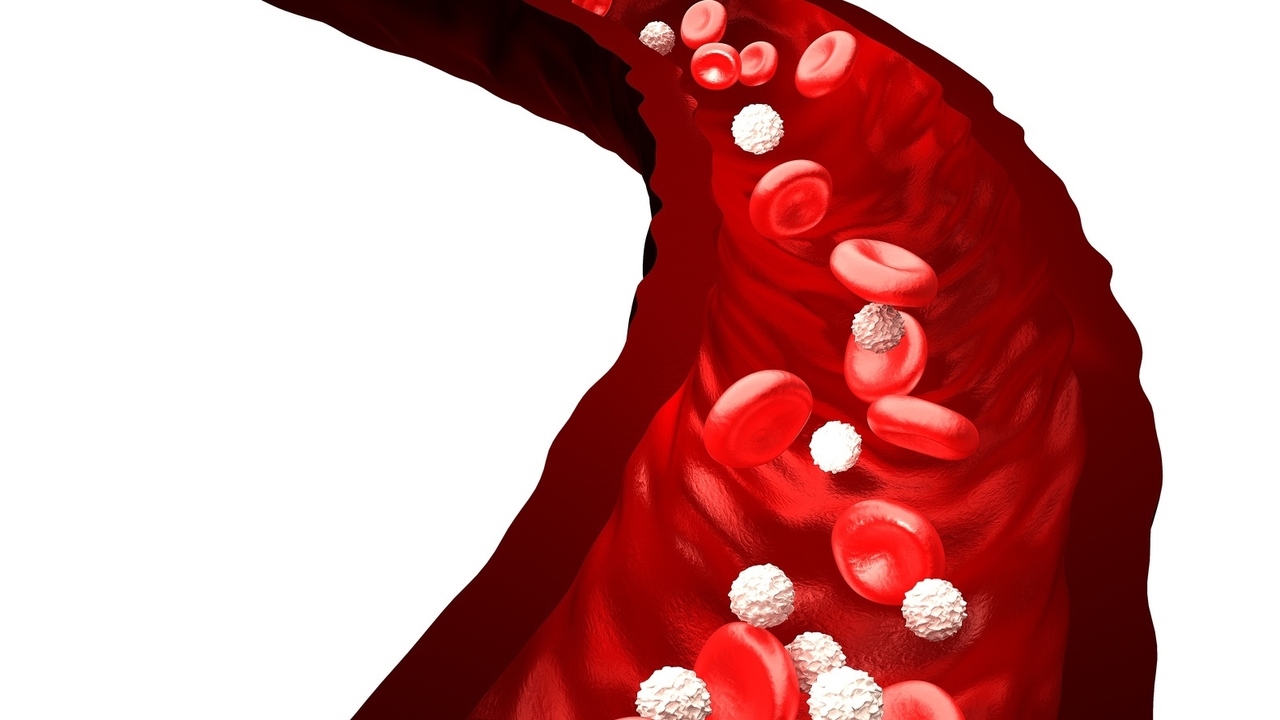
Raynaud’s phenomenon, also known as Raynaud’s disease, is a condition that impinges on the blood vessels. Smaller arteries that supply blood to your skin constrict, limiting blood circulation to affected areas. Risk factors include your gender, age, where you live and your family history.
According to the National Institute of Arthritis and Musculoskeletal and Skin Disease, those with the disorder have more Raynaud’s attacks during periods of colder weather.
In response to cold temperatures or emotional stress, Raynaud’s disease causes some areas of your body (fingers, toes, the tip of your nose and your ears) to feel numb and cool.
In primary Raynaud's phenomenon this condition occurs on its own. When it occurs with another condition such as scleroderma or lupus, it is called secondary Raynaud’s phenomenon.
Primary Raynaud’s phenomenon is thought to be an exaggeration of normal responses to cold temperature or stress.
Secondary Raynaud’s phenomenon is a result of another health problem. It tends to begin later in life than the primary form, typically after 35 to 40 years of age, whereas primary Raynaud’s occurs between the ages of 15 and 25.
The most common cause of secondary Raynaud’s phenomenon is connective tissue disease. Some of these diseases reduce blood flow to the fingers and toes by causing blood vessel walls to thicken and the vessels to constrict too easily.
Other causes include smoking, previous injury to toe or finger, diseases of the arteries, injury due to overuse and carpal tunnel syndrome.
Severe cases of Raynaud’s phenomenon — usually of the secondary form — can lead to problems such as skin ulcers (sores) or gangrene (tissue death) in the fingers and toes.
There are three phases of skin color change once a Raynaud’s phenomenon attack begins. The skin color changes from white to blue to red, but not all may occur.
Whiteness (pallor) occurs in response to spasms of the arterioles (small branches of an artery) followed by a collapse of the arteries supplying the fingers and toes.
Blueness (cyanosis) occurs when fingers or toes don't get enough oxygen-rich blood.
Redness (rubor) occurs as the arterioles relax and blood returns to the affected digits.
As the attack ceases, the extremities afflicted by restricted blood flow, such as fingers and toes, may throb and tingle.
Take action during an attack and keep warm. Don’t smoke, control stress and exercise regularly. Treatment for Raynaud's may include drugs to keep the blood vessels open.
According to MedlinePlus, those with Raynaud’s can do some at-home care for treatment. Soak hands in warm water at the first sign of an attack and keep your hands and feet warm in cold weather, MedlinePlus says.
The medications used to treat should not be taken while pregnant. In fact, Raynaud’s phenomenon gets better or goes away during pregnancy.
A complete history and physical examination allows physicians to distinguish primary from secondary Raynaud’s disease. Sometimes, special blood testing is needed, but once ruled as primary Raynaud’s phenomenon, it is rare to transform to secondary Raynaud’s phenomenon.
Sources:
Raynaud’s Disease
Mayoclinic.com. Retrieved October 25, 2012.
http://www.mayoclinic.com/health/raynauds-disease/
DS00433/DSECTION=causes
Raynaud’s Disease
MedlinePlus. Retrieved October 29, 2012.
http://www.nlm.nih.gov/medlineplus/raynaudsdisease.html#cat5
Raynaud’s Phenomenon. National Institute of Arthritis and Musculoskeletal and Skin Diseases. Retrieved October 29, 2012.
http://www.niams.nih.gov/health_info/raynauds_phenomenon
Reviewed November 1, 2012
by Michele Blacksberg RN
Edited by Jody Smith
Add a Comment1 Comments
over the past few years, i found that my fingers get numb, itchy, sore, with peeling skin during the cold season. i haven't been to see someone about this, but feel it could be raynaud's. i suffer from sjogren's so this could be secondary. often when it happens, i try to put bandage dressing around them and some ointment to soothe. i also hear that wearing silver lined gloves helps as it protects the skin and improve circulation which i haven't try yet. anyone have suggestions?
September 16, 2013 - 5:06amThis Comment