





Improved
6112 HealthChanged
3786 LivesSaved
3568 Lives0 lives impacted in the last 24 hrs Learn More
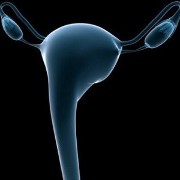 Photo: Getty Images
It’s normal for women to experience some sort of menstrual cycle irregularity but oligomenorrhea is not normal irregularity. Medical News Today says oligomenorrhea generally refers to irregular or infrequent menstrual periods with intervals of more than 35 days.
A PMS.about.com article says day one of a menstrual cycle is the first day any amount of bleeding occurs and counting continues until the next time menstruation begins. According to Medical News Today, females typically have a period about every 28 days with most having between 11 and 13 menstrual periods each year.
WomenHealthZone.com says oligomenorrhea normally occurs after a woman has had a regular period for some time. For example, a young woman has two years of regular periods, then suddenly experiences light flows lasting only a couple of days or missed periods all together.
In addition to menstrual periods with intervals of more than 35 days¸ Healthline.com says oligomenorrhea symptoms include unusually light menstrual flow, irregular menstrual periods with unpredictable flow, and difficulty conceiving. WomenHealthZone.com lists another as easily broken bones.
Causes of oligomenorrhea include hormonal imbalances and polycystic ovarian syndrome (PCOS). According to WomenHealthZone.com, hormonal imbalances occur when the body produces too many male hormones and not enough female hormones which cause menstrual irregularity. PCOS occurs when cysts form inside the ovaries as a result of the body producing too many male hormones.
Medical News Today reports hormonal imbalance may be caused by extreme weight loss, extreme weight gain, emotional stress, eating disorders (such as anorexia or bulimia), poor nutrition, excessive exercise and frequent travel. Other reasons include breast feeding, contraceptives, cancer and endometriosis.
WomenHealthZone.com adds oligomenorrhea can be caused by a lack of synchronization between the pituitary gland, hypothalamus, and ovaries. If these three parts don’t send messages to each other in the right order, then a missed period can result.
Medical News Today says if oligomenorrhea occurs during puberty or near menopause, treatment isn’t usually necessary.
Most women suffering from oligomenorrhea are treated with birth control pills says Healthline.com. Others, including those with PCOS, are treated with hormones. Prescribed hormones depend on which hormones are lacking or out of balance. When oligomenorrhea is associated with an eating disorder, the underlying condition must be treated. Consultation with psychiatrists and other specialists is recommended.
WomenHealthZone.com advises getting menstrual cycle problems diagnosed and treated immediately. Women who have oligomenorrhea as teenagers may have fertility problems. Healthline.com adds the absence of adequate estrogen increases the risk of osteoporosis, repeated bone fractures and cardiovascular disease later in life. Women who don’t have regular periods are more likely to develop uterine cancer.
Sources:
What Are Irregular Periods (Oligomenorrhea)? What Causes Irregular Periods? MedicalNewsToday.com by MediLexicon International Ltd. Web 18 Oct 2011.
http://www.medicalnewstoday.com/articles/178635.php
Oligomenorrhea. Healthline.com by Healthline Networks, Inc. Web 18 Oct 2011.
http://www.healthline.com/galecontent/oligomenorrhea
Oligomenorrhea: A Treatable Menstrual Cycle Complication. WomenHealthZone.com by Womens Health. Web 18 Oct 2011.
http://www.womenhealthzone.com/womens-reproductive-health/menstrual-cycle/oligomenorrhea-a-treatable-menstrual-cycle-complication/
What is Oligomenorrhea? PMS.About.com by the New York Times Company. Web 18 Oct 2011.
http://pms.about.com/od/glossary/g/oligomenorrhea.htm
Reviewed October 24, 2011
by Michele Blacksberg RN
Edited by Jody Smith
Add a Comment1 Comments
Nice review of some of the root causes of oligomenorrhea, or irregular or missing periods. I agree that any missed period should be investigated.
October 25, 2011 - 6:54amThis Comment