


Improved
6112 HealthChanged
3786 LivesSaved
3568 Lives0 lives impacted in the last 24 hrs Learn More
My mother had a broken hip three years ago and ended up having two surgeries in a matter of three months. One for a prosthesis and the other to remove it. Unfortunately, by the time I went to see her it was too late. She did not die from post-surgical complications. She died due to an infection that started as a skin rash in her back. She died of a bed sore that spread infection all through her system.
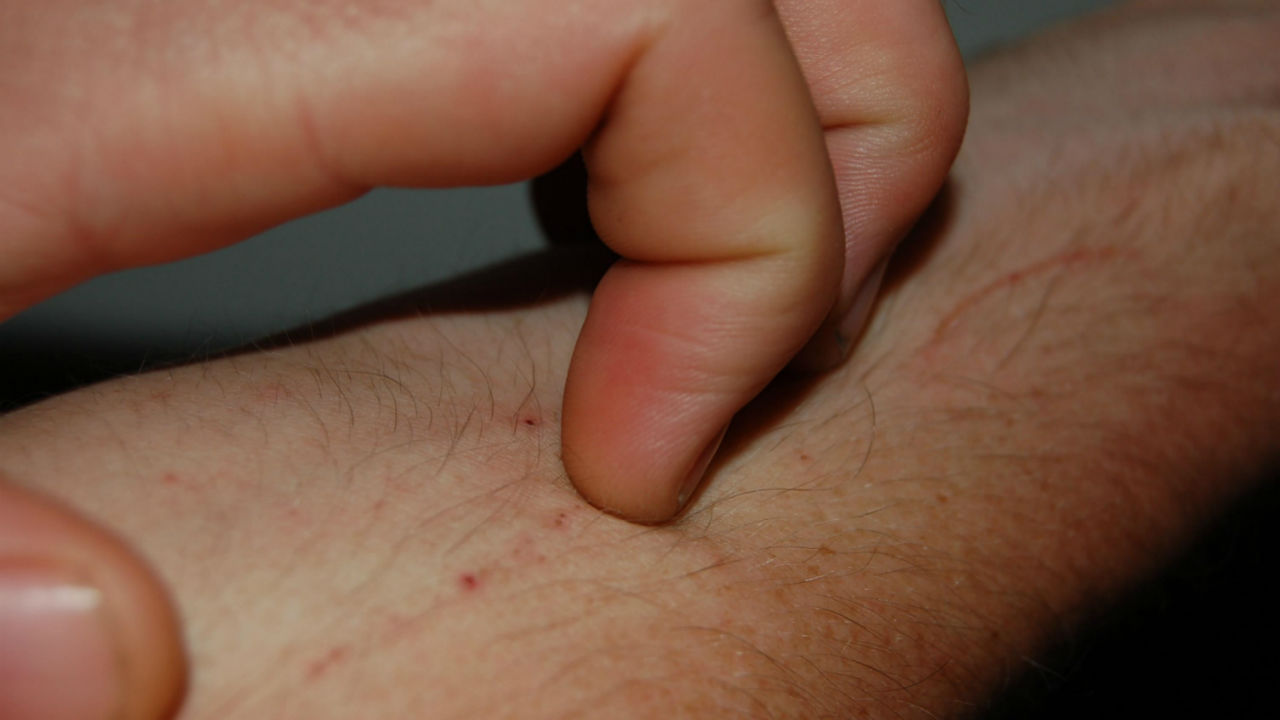
Most bed sores start as skin rashes in patients who are bedridden for a long time. Usually these rashes start as small blisters and develop into sores.
Most patients who develop these recover completely with proper care and hygiene. Diabetic skin rashes and wound care need to be addressed very carefully so that they don't lead to systemic or septic infections and death.
Most skin rashes and wounds occur as a result of several factors such as:
--Long duration in one particular position that could decrease blood circulation and oxygen supply to the affected area and the surrounding tissues due to body pressure.
--Excessive body heat in the affected area due to decreased movement. Lack of air circulation causes moisture to be trapped in the affected area. Moisture is the port of microbial infestation.
--Lack of muscle movements in the affected area resulting in tissue death due to lack of blood circulation.
--Lack of hygiene. Lack of proper cleaning of the affected area .Special care and consideration have to be given to elderly diabetic patients, since they are more susceptible to infections.
Simple preventative measures such as the following are suggested:
1. The patient needs to be turned to either side at least once every hour .
2. The affected area needs to be kept dry.
3. Moisturizing lotions or creams need to be avoided as they trap body heat and moisture inside the skin that could cause heat blisters or sores.
4. One hundred percent cotton sheets should be considered while changing the linen. Cotton absorbs heat, moisture, and increases air circulation depending on the thread count.
5. Polyester or synthetic mattresses need to be avoided as they increase body heat and cause sweating in the affected area.
6. The affected area needs to be cleaned at least twice daily with simple alcohol as it kills microbes more effectively and dries the skin faster than regular soap or other solutions.
7. Oral antibiotics are preferred to ointments as they increase the chances of moisture building in the affected areas.
8. A log roll method of moving patients who are unable to turn or move by themselves is helpful. (wrapping the patient with a sheet and turning with a single movement while standing on the same side)
9. Gloves need to be worn by the person who is responsible for cleaning the patient's wounds to avoid the spread of infections. Care should be taken to wash one's hands before and after patient care.
10. The patient needs to be situated in an area where ventilation and light is abundant.
Most important of all, remembering that we are dealing with a human life and not just another ID wristband is crucial. A little bit of compassion, kindness and understanding body mechanics on the care giver's part helps the patient on the road to recovery faster.
Suffering or death of a loved one is extremely hard on anyone. Basic cleanliness and common sense sometimes could go a long way in caring and helping ourselves and the people we love the most regain and retain health, because our life matters.
Add a Comment1 Comments
Here is a device which treats pressure sores very effectively by using oxygen: www.ogenix.com
March 13, 2010 - 5:36amThis Comment